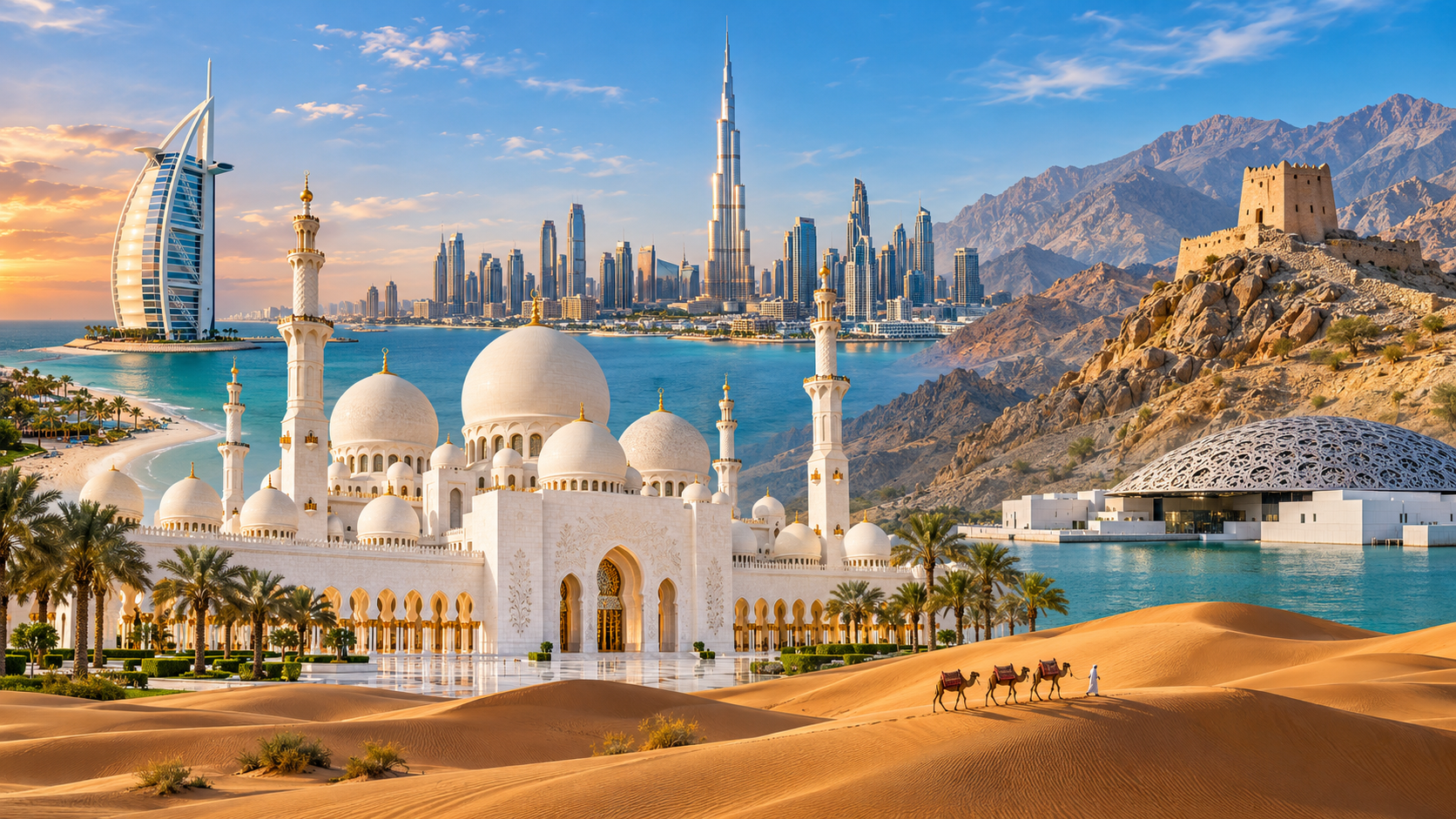
Dubai brings together striking architecture, traditional trading neighbourhoods, beaches, desert landscapes, and an international food scene. Its best-known sights are impressive, but a rewarding visit also makes room for a Creek crossing, a local meal, and time to explore beyond the headline attractions.
This Dubai travel guide helps you choose what to see, where to stay, and how to organise a practical itinerary. The city covers a large area, so grouping nearby experiences matters more than trying to fit every famous landmark into a single day.
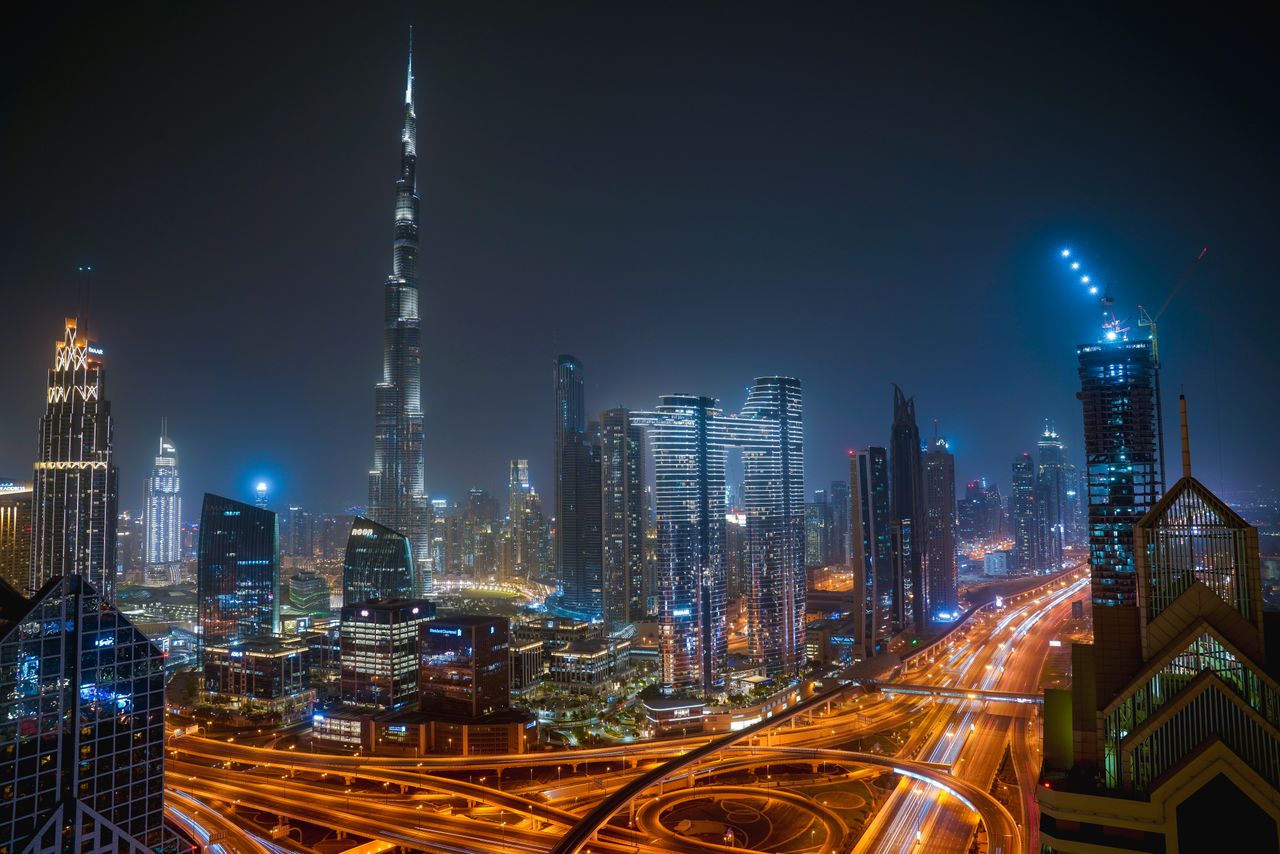
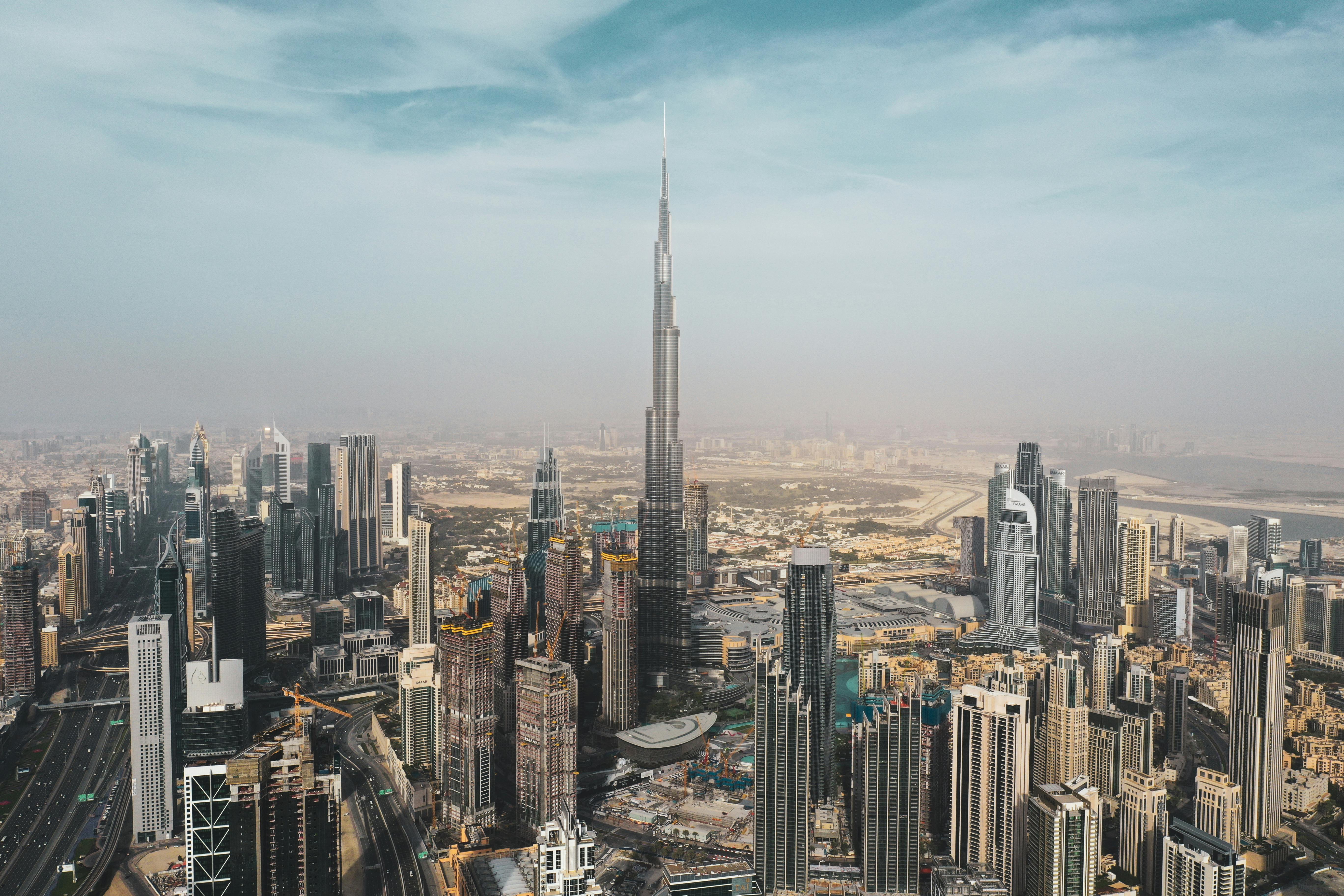
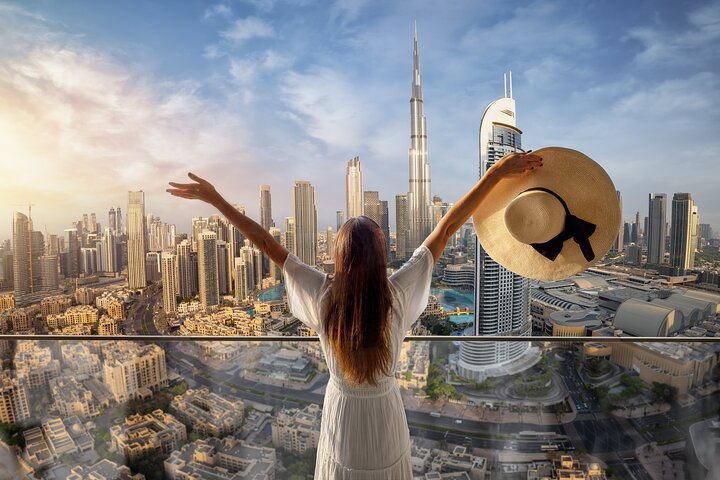
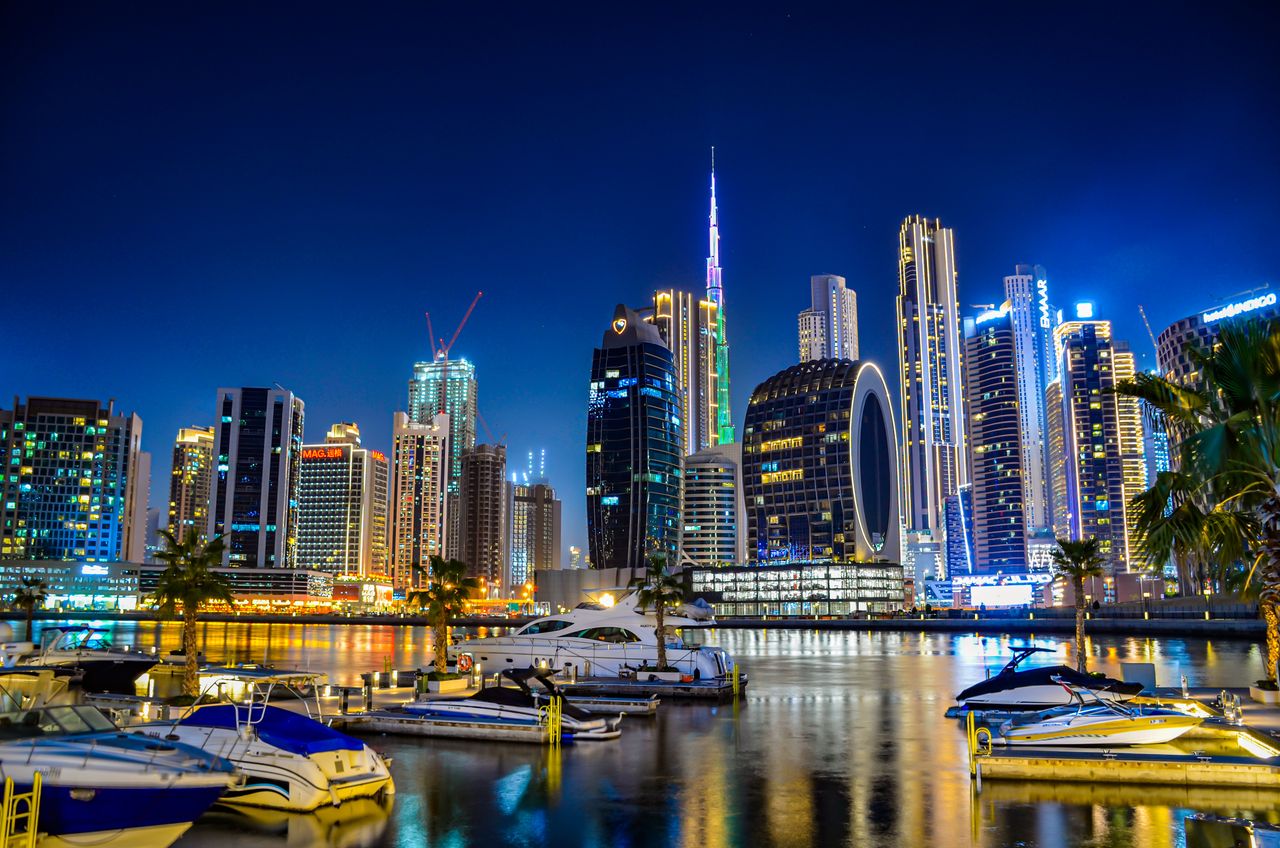
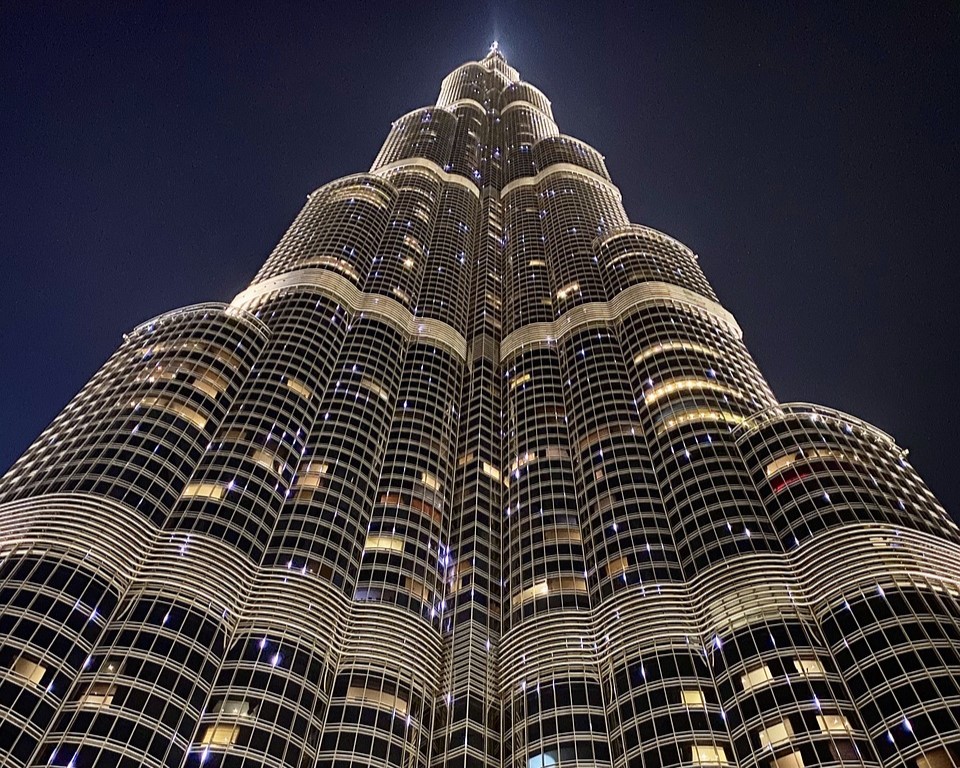
At 828 metres, Burj Khalifa is the world’s tallest building. Its visitor options include the standard At the Top decks on Levels 124 and 125, the higher SKY experience on Level 148, and a separate premium lounge product.
Compare the floors and inclusions before booking. A standard observation ticket is different from a premium lounge visit or a restaurant reservation. If sunset is important, allow enough time for the mall walk, security, and lift queues.
2. Explore Dubai Mall
Dubai Mall combines shopping and dining with attractions such as the Dubai Aquarium & Underwater Zoo. It is also the access point for At the Top and a convenient route to the fountain waterfront.
The mall is large enough for walking time to affect your schedule. Check the exact meeting point for a ticketed activity and avoid placing two bookings too close together simply because both are inside the same complex.
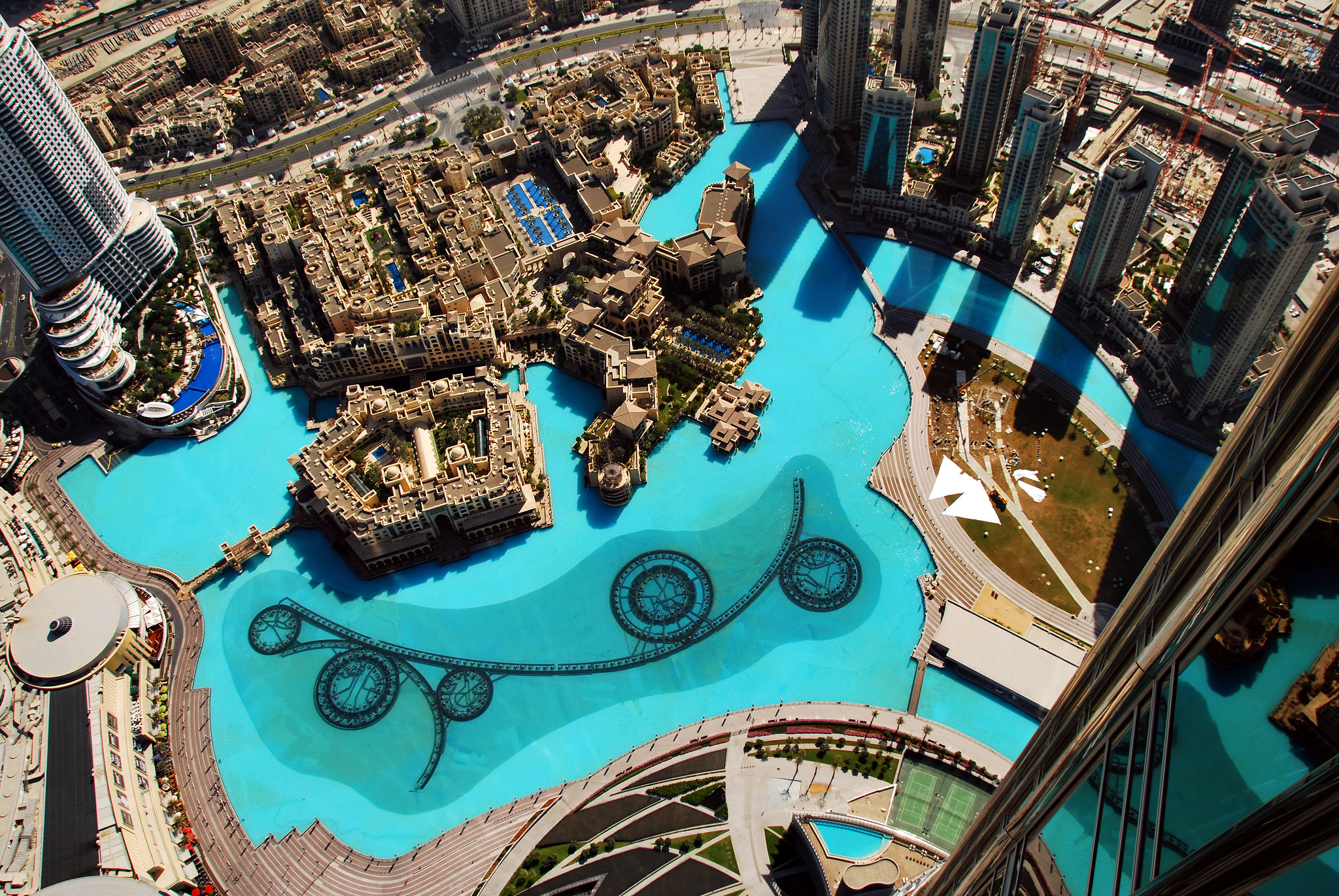
The fountain offers a free performance from public viewing areas beside Burj Lake. For a closer perspective, the floating Boardwalk and Lake Ride are separately ticketed options.
The current regular evening schedule is every 30 minutes from 6:00 PM to 11:00 PM. Check the latest programme before travelling for a specific show, and leave time to reach the waterfront after another attraction.
4. Discover Al Fahidi and Dubai Creek
Al Fahidi Historical Neighbourhood provides a different perspective from the modern skyline. Take time to explore the lanes, look at the traditional architecture, and choose a cultural stop or guided explanation that interests you.
Continue towards Dubai Creek and consider an abra crossing. Confirm the correct route, boarding point, fare, and payment method; different marine services do not all operate on identical terms.
5. Browse the Souks
The Gold Souk, Spice Souk, and textile-trading areas offer a chance to experience Dubai’s trading character. Browse without rushing and compare products carefully before buying.
For a substantial purchase, request clear information about the item and a receipt. A friendly conversation and unhurried comparison are more useful than treating bargaining as a competition.
6. Visit Palm Jumeirah
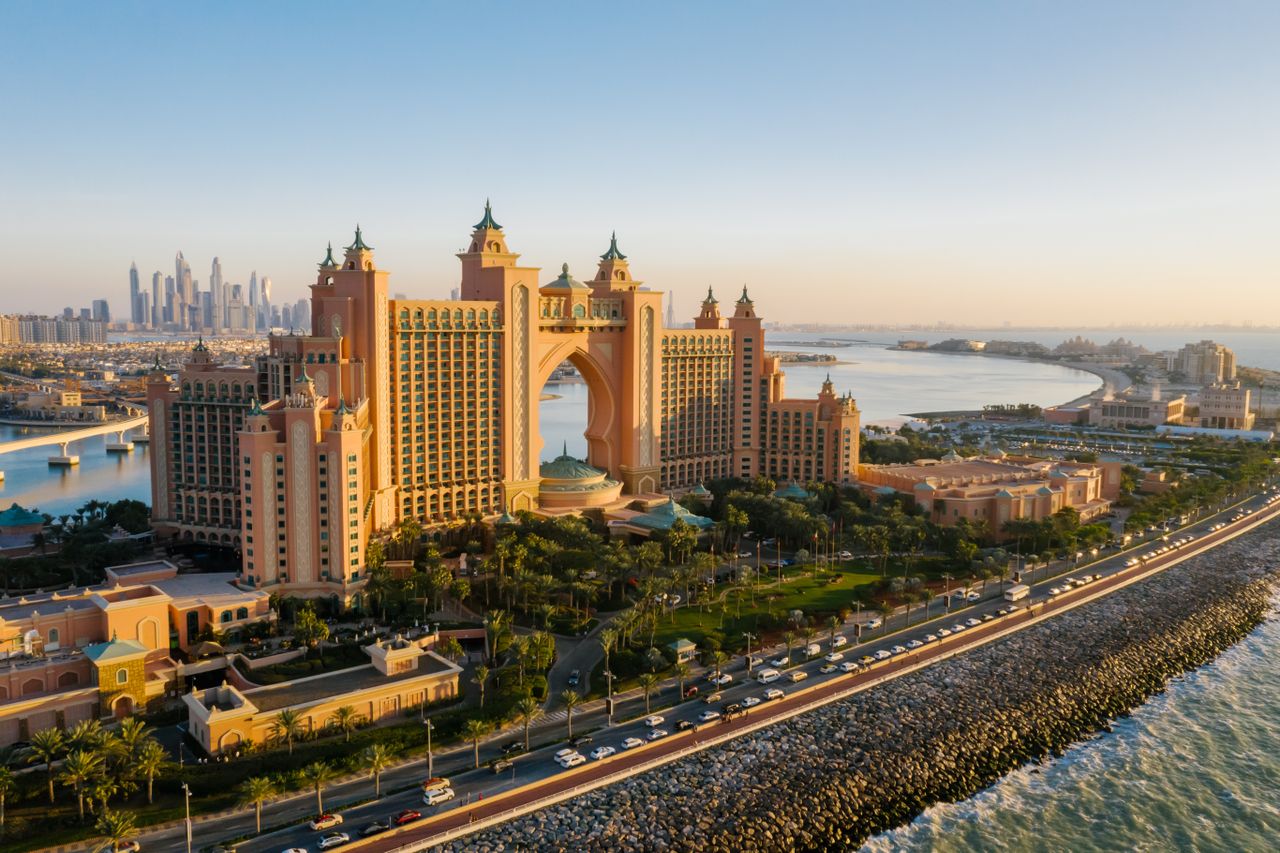
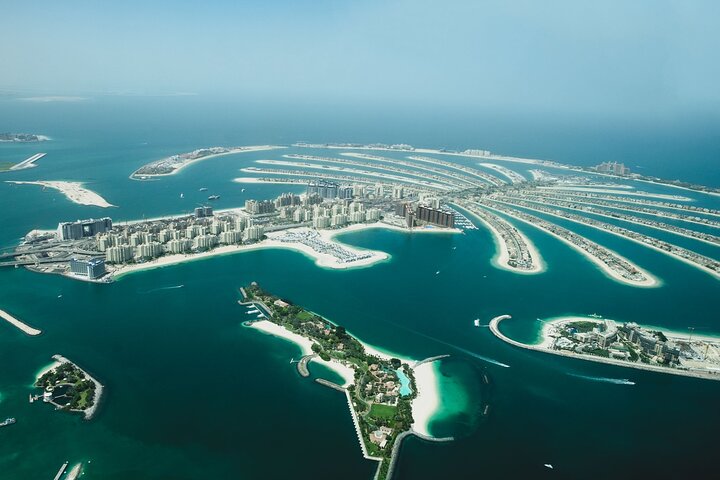
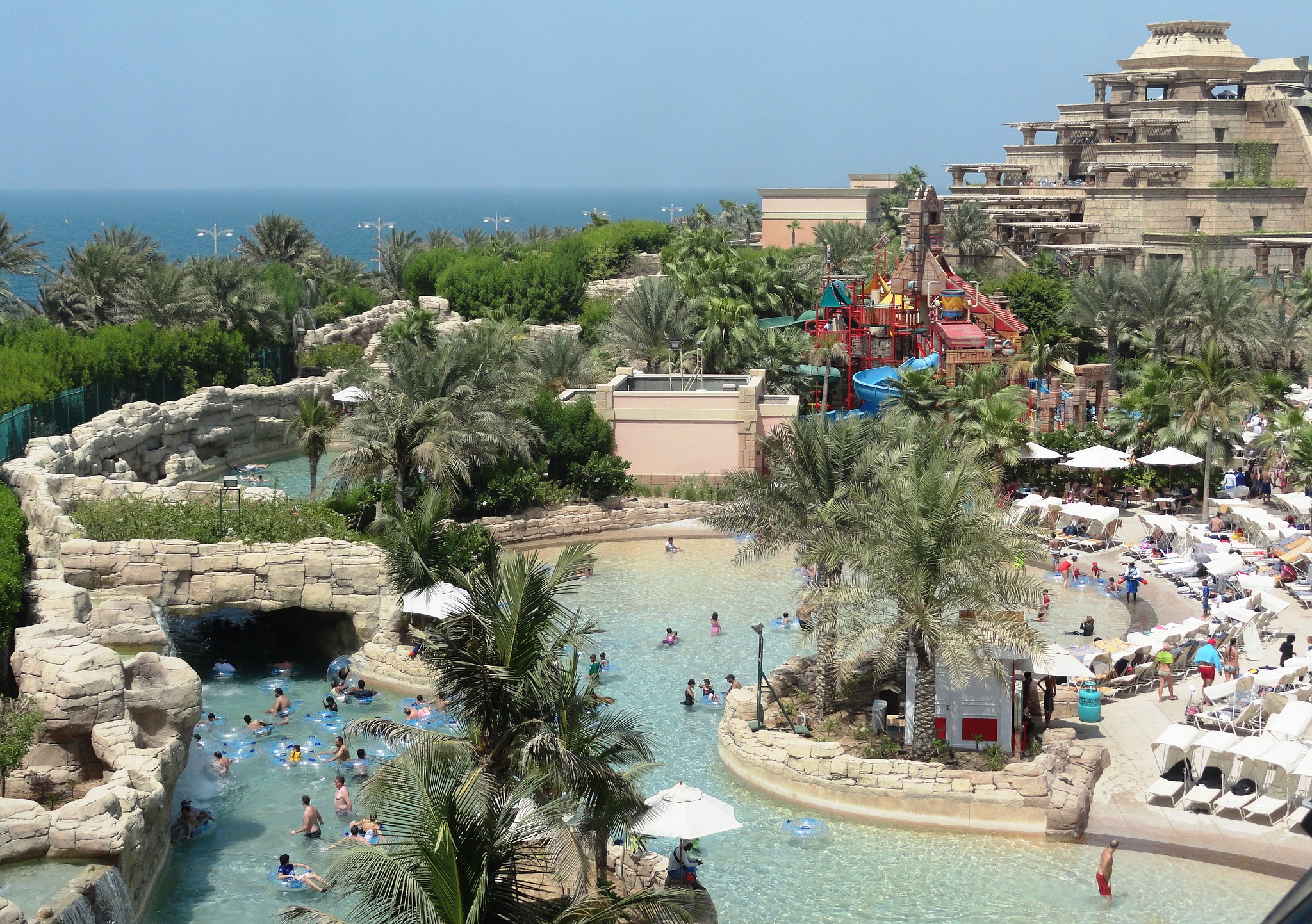
Palm Jumeirah is best approached as a collection of separate destinations rather than one attraction. Choose a resort visit, viewpoint, restaurant, beach venue, or day at Atlantis Aquaventure Waterpark.
Check exactly what your booking includes. Waterpark admission, aquarium access, marine experiences, premium seating, and resort facilities can have different ticket and reservation arrangements.
7. Take a Desert Excursion
A desert outing adds a contrasting landscape to the city itinerary. Packages vary considerably: some focus on dune driving and camp activities, while others emphasise a gentler drive, nature, or a quieter meal.
Compare the actual programme, vehicle arrangements, pick-up area, duration, and optional extras. If you prefer to avoid dune bashing or have a health or mobility concern, discuss a suitable alternative with the operator before booking.
8. Explore Dubai Frame
Dubai Frame, in Zabeel Park, combines an elevated viewpoint with interpretation of the city’s development. It can work as a separate stop or as part of a route between older neighbourhoods and newer districts.
Check current admission times and access instructions. A view from one landmark does not replicate another exactly, so choose according to your interests rather than feeling obliged to buy every observation ticket.
9. Try Ski Dubai
At Mall of the Emirates, Ski Dubai offers an indoor snow setting. Choose the appropriate product for snow play, a slope session, a lesson, or another advertised experience.
Confirm age restrictions, required ability, included clothing, and any separately booked activities. Snow-area admission does not automatically provide unrestricted access to every experience.
10. Choose a Theme Park or Live Performance
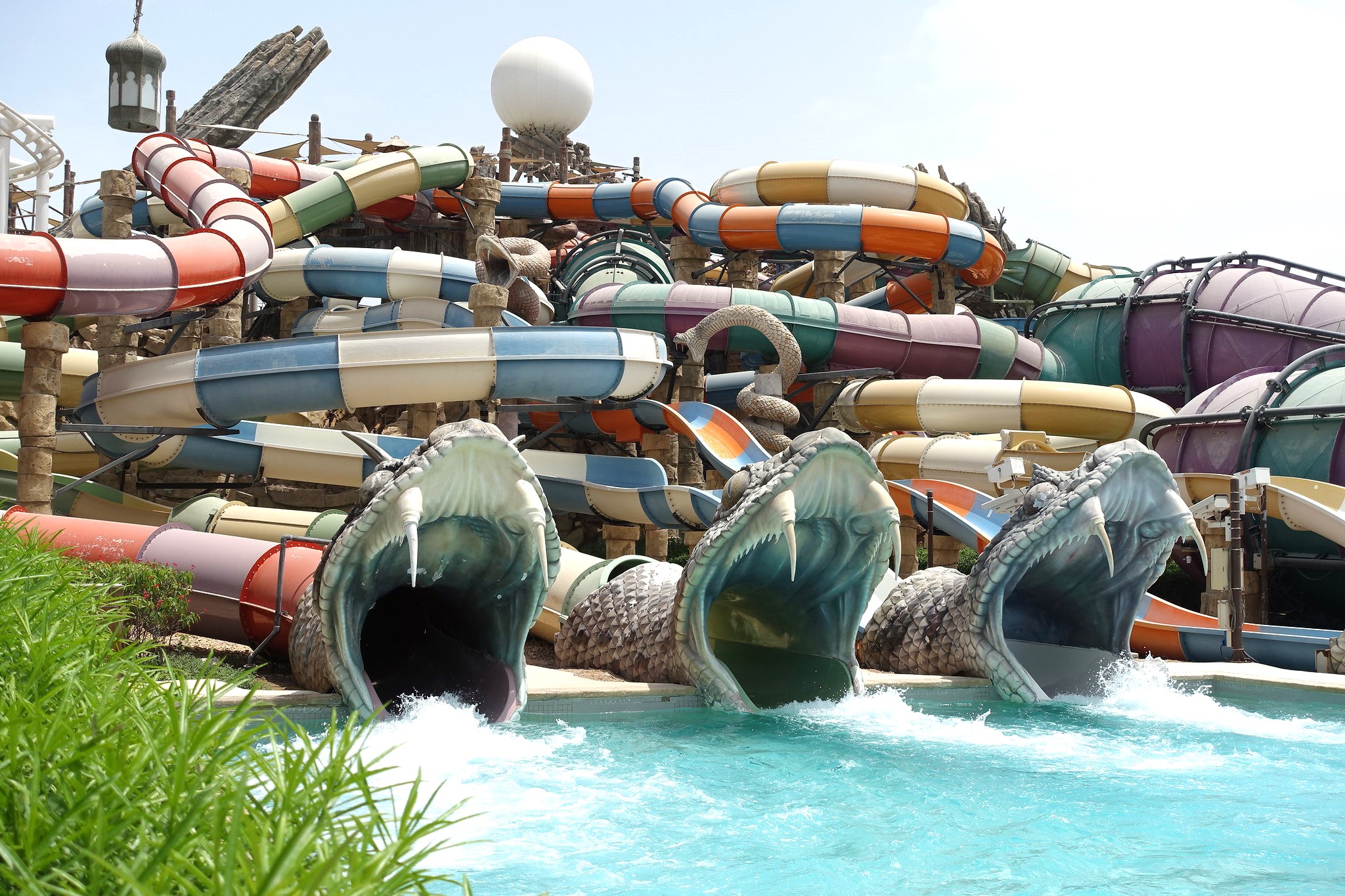
IMG Worlds of Adventure, attractions at Dubai Parks and Resorts, and Aquaventure offer different styles of entertainment. Pick the one that best fits your group’s ages, height restrictions, and interests.
For a cultural evening, check the programme at Dubai Opera. Choose the event first and plan the rest of the day around its arrival requirements.
11. Add a Museum Visit
The Etihad Museum is an option for visitors interested in the UAE’s formation and modern history. Museum visits can also balance a trip otherwise centred on shopping, viewpoints, and outdoor activities.
Check current exhibitions, opening days, and available interpretation. Choose a focused visit rather than assuming every museum will provide the same introduction.
Beaches and Waterfront Areas
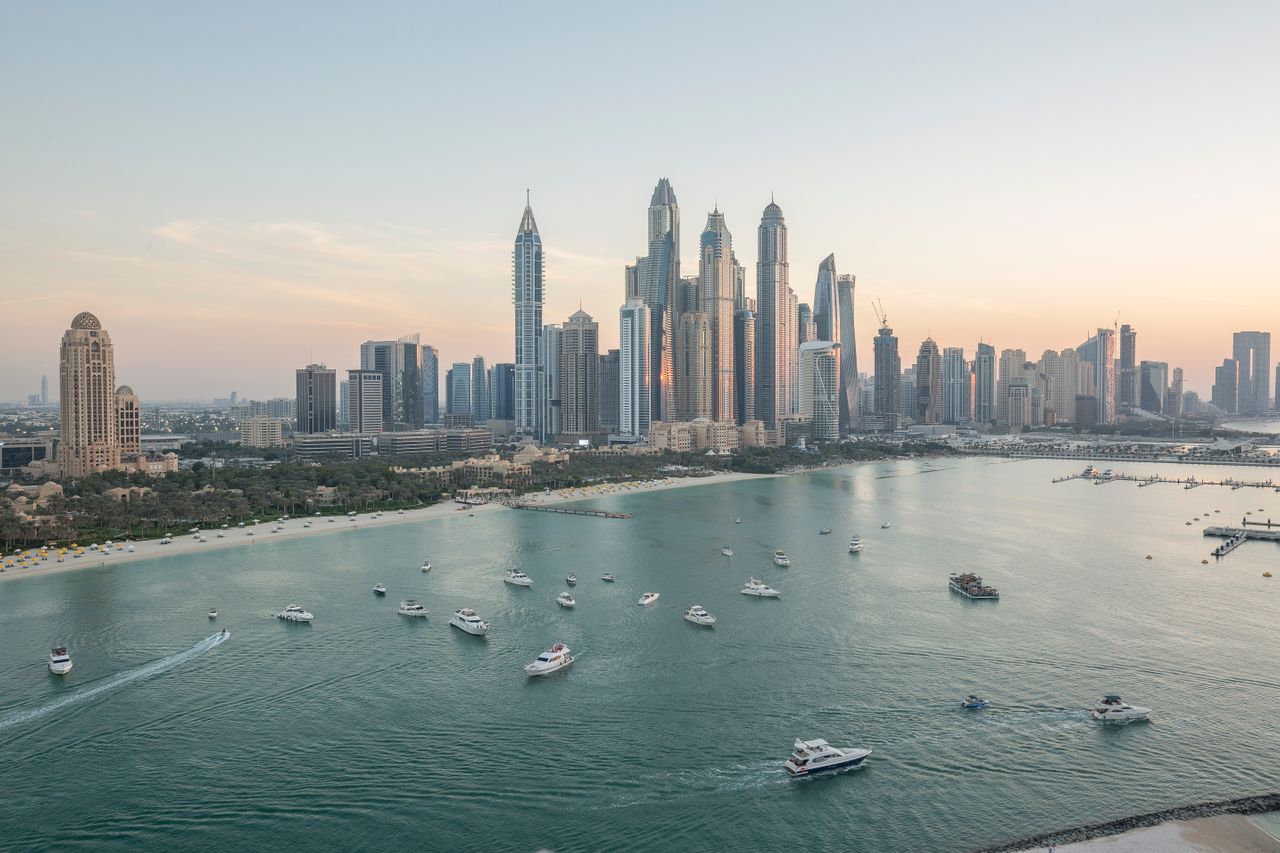
Kite Beach and the JBR waterfront are established options to investigate for beach time, walking, and nearby food. Facilities, equipment hire, and private sections have their own charges and rules.
Older guides often recommend La Mer without explaining its redevelopment. The newer J1 Beach offering includes restaurants and beach clubs. Check the specific venue’s booking and access conditions instead of assuming it operates like an unrestricted public beach.
For swimming, follow the posted conditions and lifeguard directions. Bring appropriate sun protection and avoid treating a long exposed beach walk as an easy midday activity during the hottest months.
Eating in Dubai
Make room for both a local food experience and the city’s international variety. A simple meal in an older neighbourhood can be as memorable as a special dinner with a skyline view.
For a premium restaurant, check reservations, dress code, age policy, and minimum-spend conditions. If the view is the reason for booking, ask about the actual table position rather than relying on promotional photographs.
Allow for dietary requirements when booking tours and dining packages. Confirm what is included in a meal deal and whether drinks, transfers, or other services are extra.
When to Visit Dubai
November–March is a useful starting point for visitors prioritising outdoor comfort. The broader cooler season can also suit sightseeing, but conditions vary and popular dates may bring higher demand.
Summer calls for a different rhythm: put more emphasis on indoor activities and plan outdoor time carefully. A lower hotel price should be weighed against the kind of trip you want.
Seasonal attractions such as Global Village and major festivals have their own calendars. Check the confirmed season or event dates rather than assuming they run throughout every cooler month.
Where to Stay in Dubai
Downtown Dubai: Consider it for convenient access to the Burj Khalifa and Dubai Mall area.
Bur Dubai or Deira: Consider these areas for a trip with more emphasis on the Creek, trading districts, and older neighbourhoods.
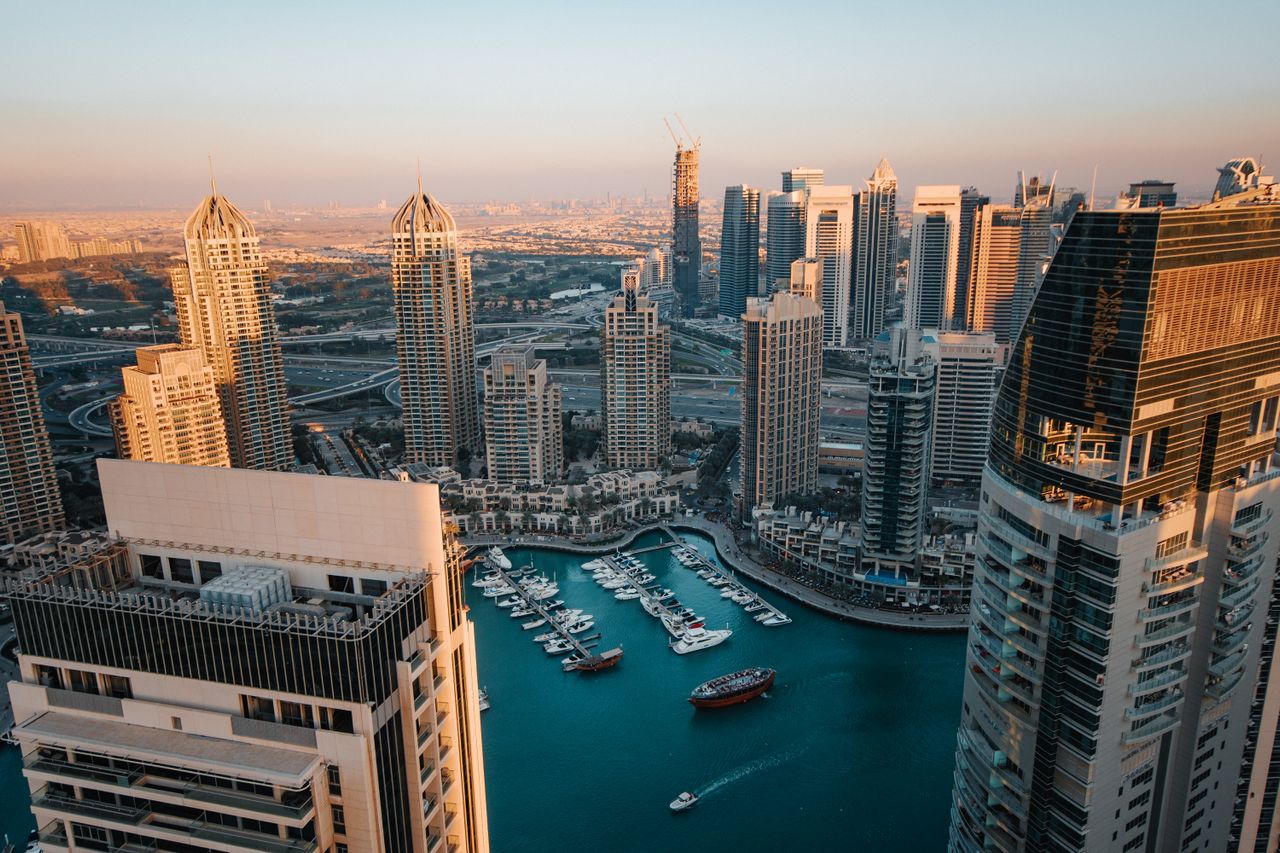
Dubai Marina or JBR: Choose them for a waterfront focus, then account for travel to other parts of the city.
Palm Jumeirah: Consider it for a resort-centred holiday with planned transfers for wider sightseeing.
Near a suitable metro station: A practical option if public transport is central to your itinerary.
Check the precise hotel location and walking route, not only the district name. Being “near the metro” can mean a different experience in hot weather or with luggage.
Getting Around Dubai
Metro, Tram, and Buses
The Dubai Metro is useful for many major areas, with the Red Line serving DXB Terminals 1 and 3. Other terminals and airports require separate transfer planning.
A suitable nol card or ticket is needed for public transport. Check current fares, balance requirements, and the correct travel class through the Roads and Transport Authority.
Use a current journey planner for bus and tram connections. A station name does not guarantee that an attraction’s entrance is immediately outside it.
Taxis and Ride-Hailing
Taxis and bookable car services provide flexibility where public transport is less convenient. Check the pick-up point in large malls or resorts and allow for traffic around busy periods.
For families, confirm suitable child seating with the provider in advance rather than assuming every vehicle will have what you need.
Walking and Marine Transport
Walking works well within selected districts, but the city’s distances and heat make it unsuitable as the default connection between every attraction. Check the actual pedestrian route and weather before setting off.
Abras and other marine services offer useful or scenic journeys on particular routes. Consult current RTA information for the service you intend to use.
A Suggested Four-Day Dubai Itinerary
This outline groups experiences geographically and leaves room for meals and travel. Adapt it to your arrival time, season, and ticket availability.
Day 1 — Downtown: Explore Dubai Mall, visit a selected Burj Khalifa experience, and finish with a fountain performance.
Day 2 — Old Dubai: Walk in Al Fahidi, cross the Creek on an appropriate abra service, and explore the souks with time for a meal.
Day 3 — Coast and Palm: Choose a waterfront outing or make Aquaventure the main activity. Avoid trying to fit a full waterpark day around several distant stops.
Day 4 — A focused extra: Choose a museum and a later desert excursion, or dedicate the day to a theme park. Match the schedule to the actual tour pick-up and event times.
With only two days, prioritise Downtown and Old Dubai. With longer, add beach time or another activity that suits your interests rather than filling every day with timed tickets.
Check whether your flight uses Dubai International Airport (DXB) or Al Maktoum International Airport (DWC). They are separate airports with different transfers to hotels and attractions.
Confirm your terminal, arrival time, public transport availability, and onward journey before booking an activity for the same day.
Opening Hours and Tickets
There is no single sightseeing schedule for Dubai. Each attraction, beach venue, performance, and tour has its own operating dates and admission conditions.
Book important timed experiences in advance when possible, but check the actual cancellation terms. Compare a combination ticket with the separate prices only if you genuinely have time to use all its parts.
Currency and Budget
The currency is the UAE dirham, AED. Plan for accommodation, transport, meals, paid attractions, and optional extras.
Keep room for free or lower-cost time, such as public waterfront walks and fountain viewing. Check the final total for accommodation and packages, including any stated taxes, fees, or separately charged services.
Language and Local Time
Arabic is the official language, and English is widely used in visitor services. Dubai uses UTC+4 throughout the year, without seasonal clock changes.
Travel Documents
Check visa and passport requirements for your nationality using official visa information and the relevant government application channels. Eligibility should be checked before committing to non-refundable arrangements.
Clothing and Etiquette
Choose clothing appropriate to the venue. Swimwear belongs at the beach, pool, or waterpark; more conservative clothing is appreciated in historic neighbourhoods and places of worship. Follow the specific dress requirements for any mosque or restaurant you plan to enter.
Ask permission before photographing people. During Ramadan, check current visitor guidance and any changes to opening times or activity programmes.
What to Pack
Comfortable shoes for malls, museums, and neighbourhood walks.
Sun protection and suitable light clothing for outdoor time.
A light layer for strongly air-conditioned indoor settings.
Swimwear if planning a beach, pool, or waterpark visit.
Travel documents, booking confirmations, and a payment backup.
Places to Consider beyond Dubai
Abu Dhabi: Plan a separate excursion around the specific sights you want to visit, allowing substantial road travel time.
Sharjah: Consider a culture-focused outing with its own museum and transport planning.
Hatta: Investigate an outdoor-focused trip, checking activity conditions and equipment requirements.
These are separate destinations, not quick additions between city appointments. Choose one that fits your time rather than combining several in a rushed day.
Practical Tips for a Better Dubai Trip
Group sights by area: Reduce unnecessary cross-city journeys.
Leave time around bookings: Account for mall walking, security checks, queues, and traffic.
Check current venue names: Redevelopment can make old guides misleading.
Match the ticket to the experience: General entry does not always include premium levels, animal encounters, meals, or fast-track access.
Plan around the weather: Adjust outdoor walking and rest breaks to the season.
Dubai is most rewarding when its headline attractions are balanced with time to explore at street level. Choose a few experiences that matter to you, organise the journey between them, and leave space for the city’s food, waterfronts, and older trading neighbourhoods.
Have you visited Dubai? Share your favourite neighbourhoods, memorable experiences, and practical tips in the comments below.
Have you visited this place before? Share and rate your experiences!
We'd love to hear your ratings and opinions in the comments below. Your feedback will help others too.
Average rating / 5. Vote count:
No votes so far! Be the first to rate this place.
As you found this post useful...
Follow us on social media!
We're sorry to hear that your experience wasn't great
Allow location access and we'll show you tours,
attractions and activities nearby.
◎
Discover what's around you
Use your current location to find the closest
Kenzly experiences.
Nearby experiences
Manage Consent
To provide the best experiences, we use technologies like cookies to store and/or access device information. Consenting to these technologies will allow us to process data such as browsing behavior or unique IDs on this site. Not consenting or withdrawing consent, may adversely affect certain features and functions.
Functional
Always active
The technical storage or access is strictly necessary for the legitimate purpose of enabling the use of a specific service explicitly requested by the subscriber or user, or for the sole purpose of carrying out the transmission of a communication over an electronic communications network.
Preferences
The technical storage or access is necessary for the legitimate purpose of storing preferences that are not requested by the subscriber or user.
Statistics
The technical storage or access that is used exclusively for statistical purposes.The technical storage or access that is used exclusively for anonymous statistical purposes. Without a subpoena, voluntary compliance on the part of your Internet Service Provider, or additional records from a third party, information stored or retrieved for this purpose alone cannot usually be used to identify you.
Marketing
The technical storage or access is required to create user profiles to send advertising, or to track the user on a website or across several websites for similar marketing purposes.










0 Comment