


Experiences You May Like
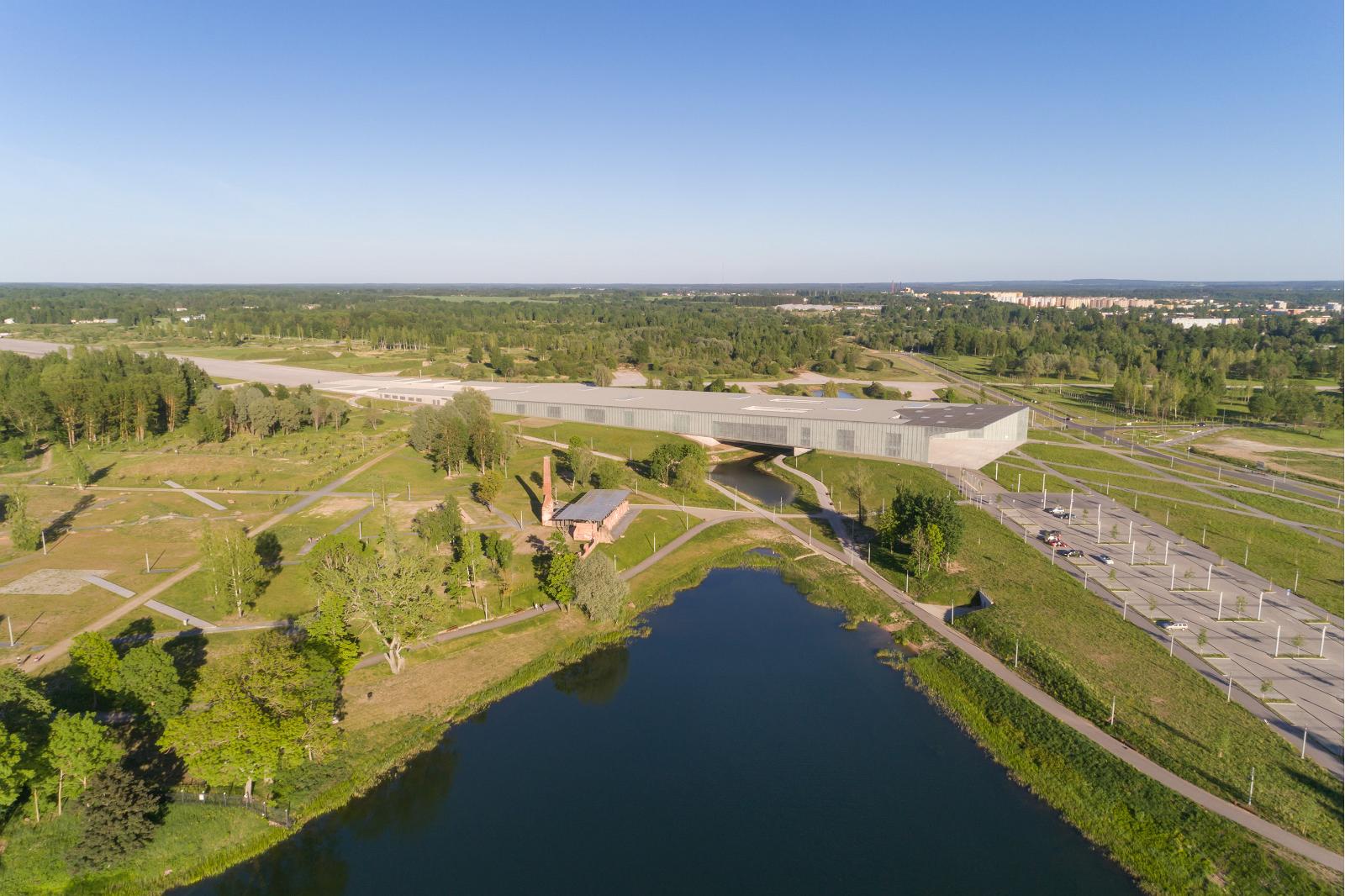
The Estonian National Museum, known locally as Eesti Rahva Muuseum or ERM, is a rewarding stop for travelers who want to understand Estonia through the lives of its people. Located in Tartu’s Raadi area, it combines cultural exhibitions with striking contemporary architecture and outdoor space worth exploring.
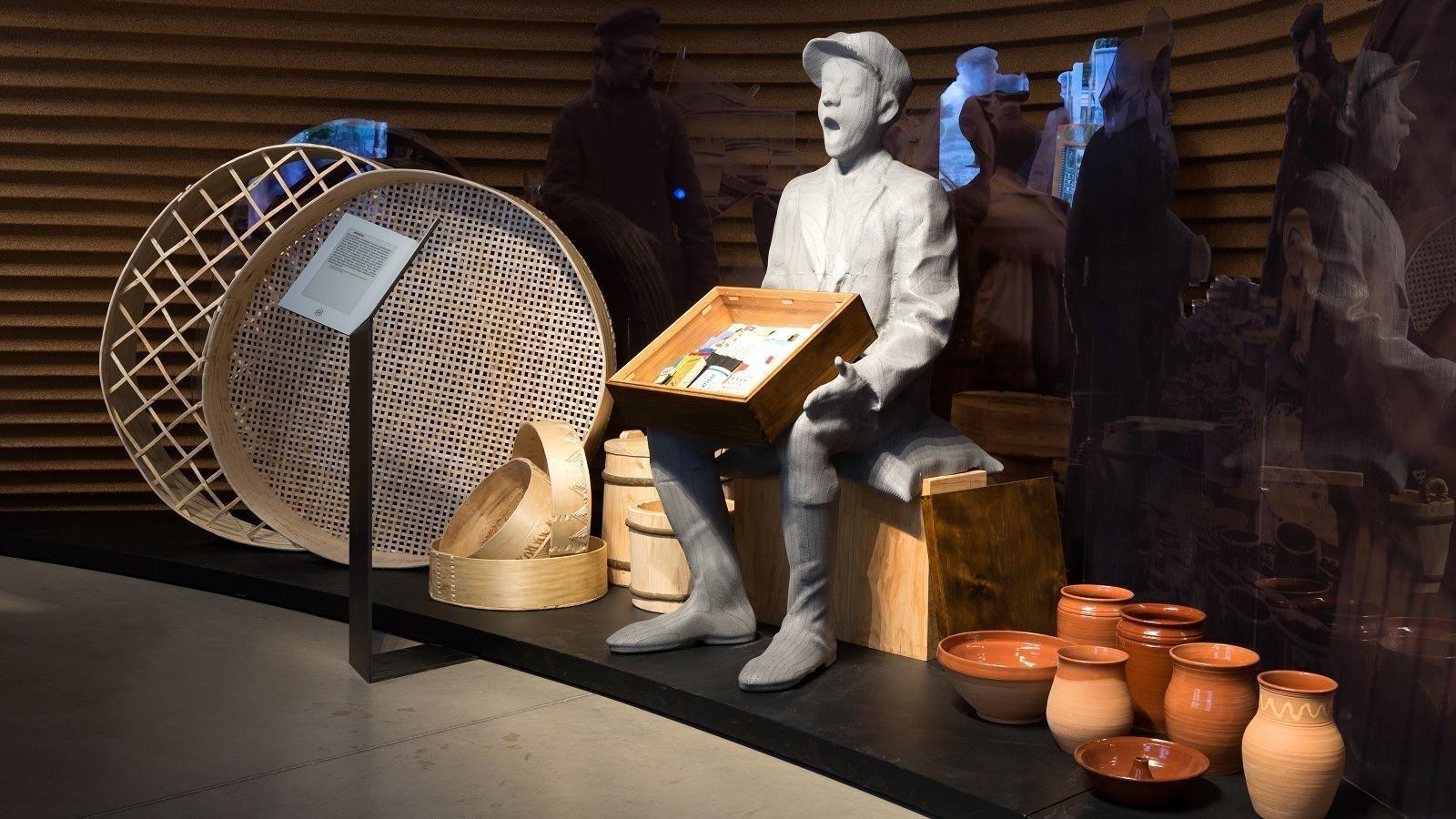
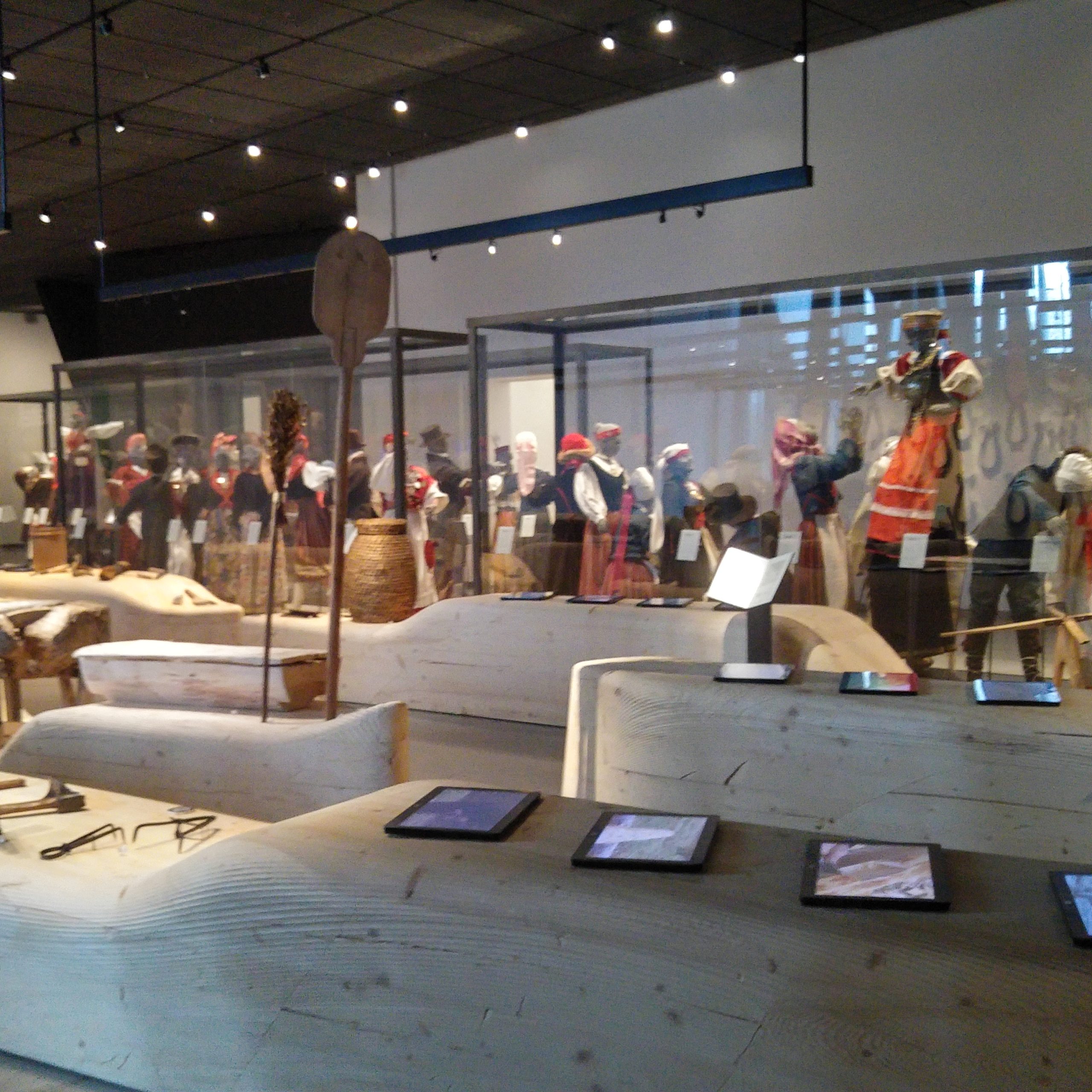
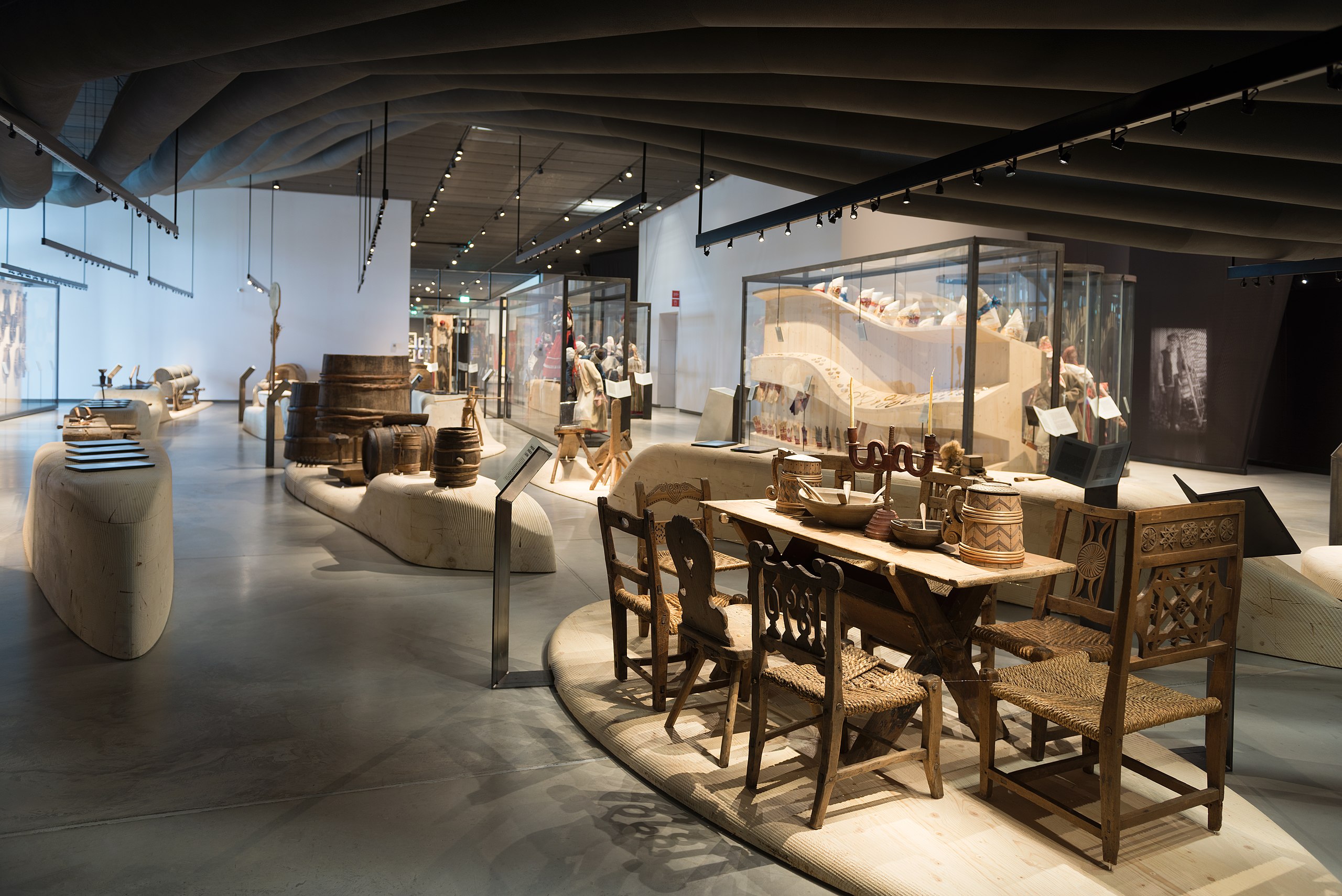
Inside, everyday objects become starting points for stories about identity, memory and change. The two main permanent exhibitions approach those themes from different angles: Encounters focuses on Estonia, while Echo of the Urals introduces other Finno-Ugric peoples. Give yourself enough time to appreciate both rather than treating the museum as a quick photo stop.
More Experiences to Explore


Estonian National Museum Highlights
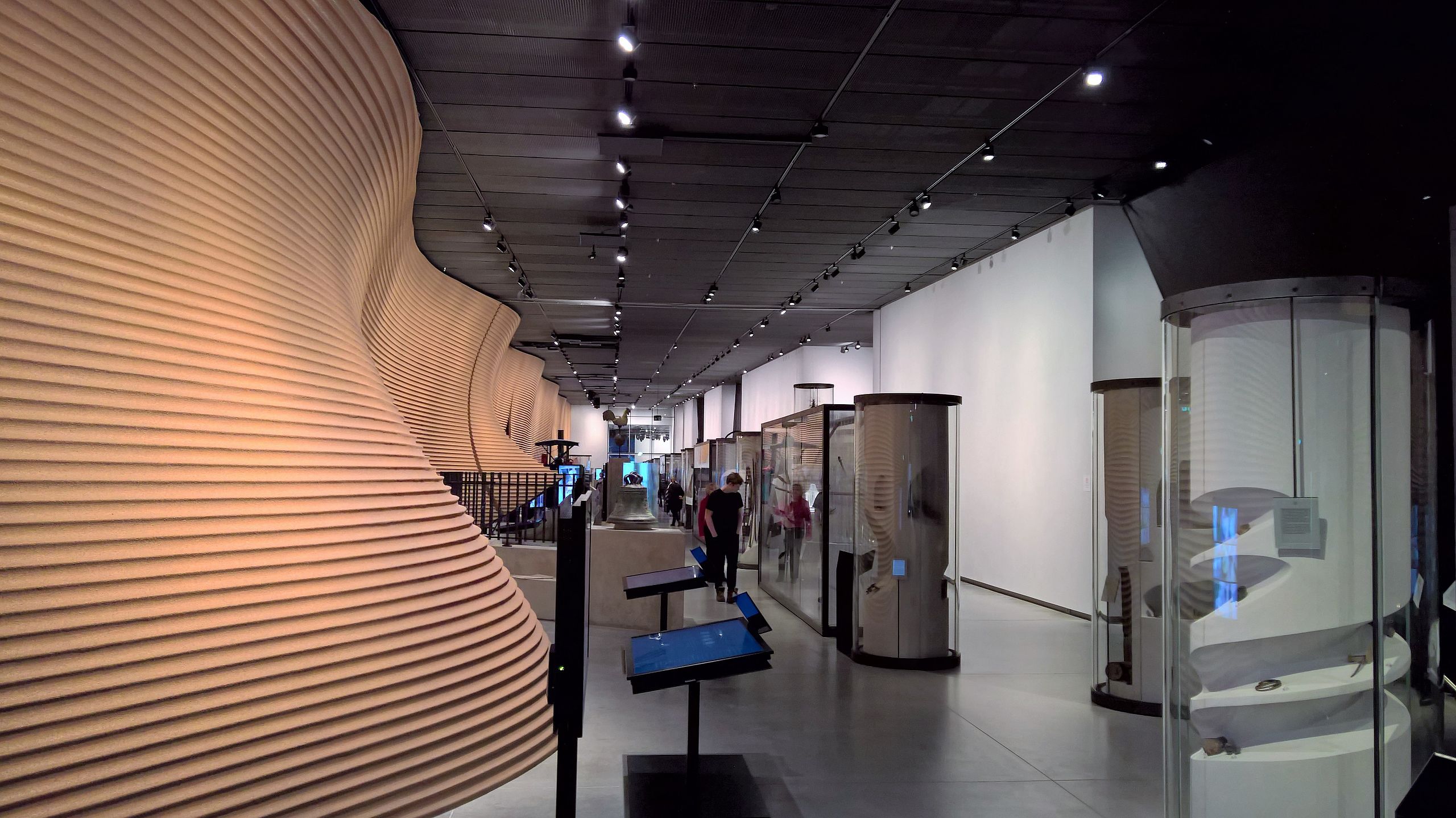
- Encounters: Explore Estonian life through objects, personal stories and exhibition interpretation.
- Echo of the Urals: Discover cultures connected through Finno-Ugric languages.
- Contemporary architecture: See how a modern museum responds to a site with a complicated past.
- Changing exhibitions: Check what is on during your travel dates.
- Time outdoors: Combine the galleries with the Raadi landscape and sculpture park.
Why You Should Visit
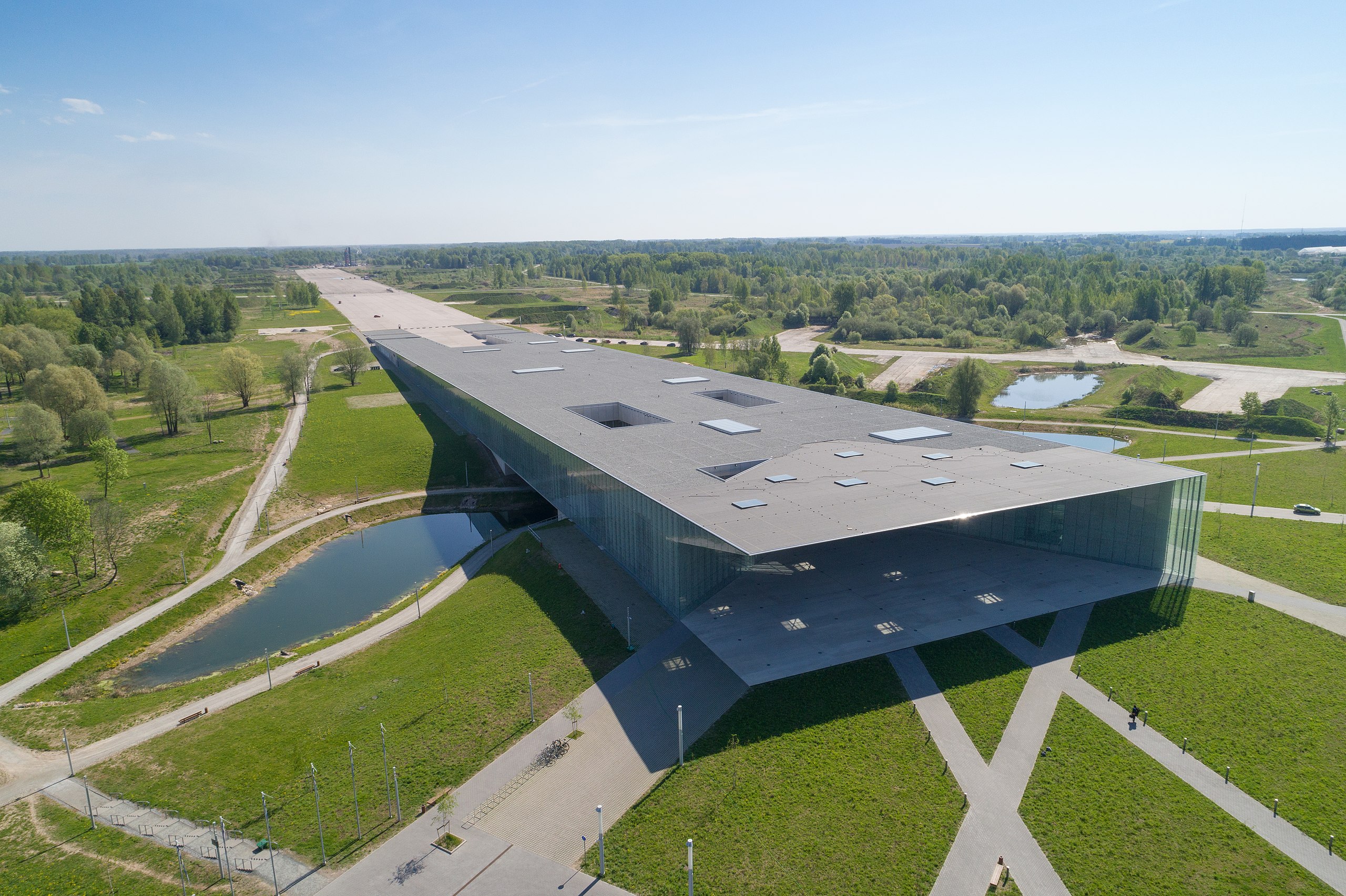
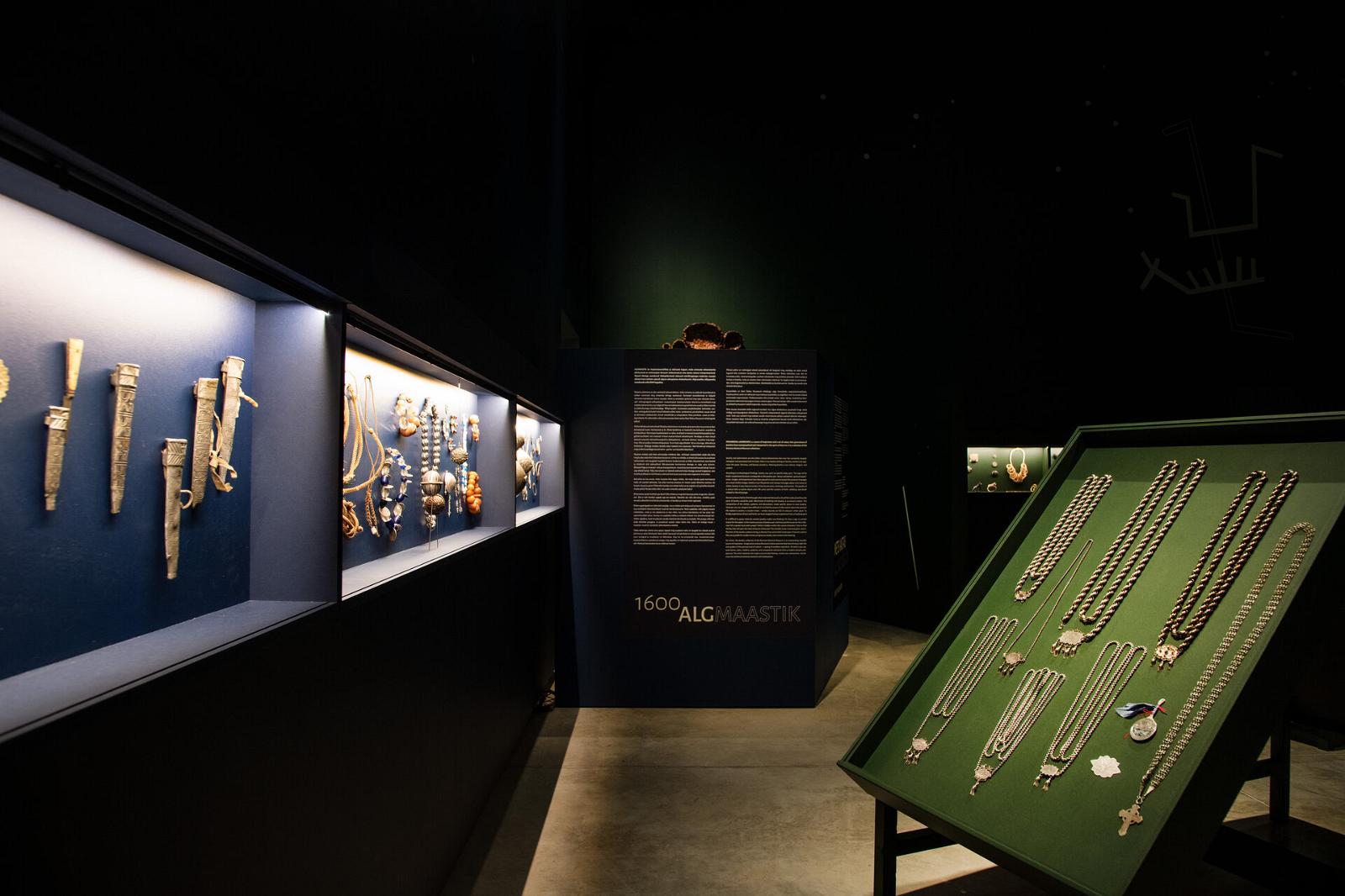
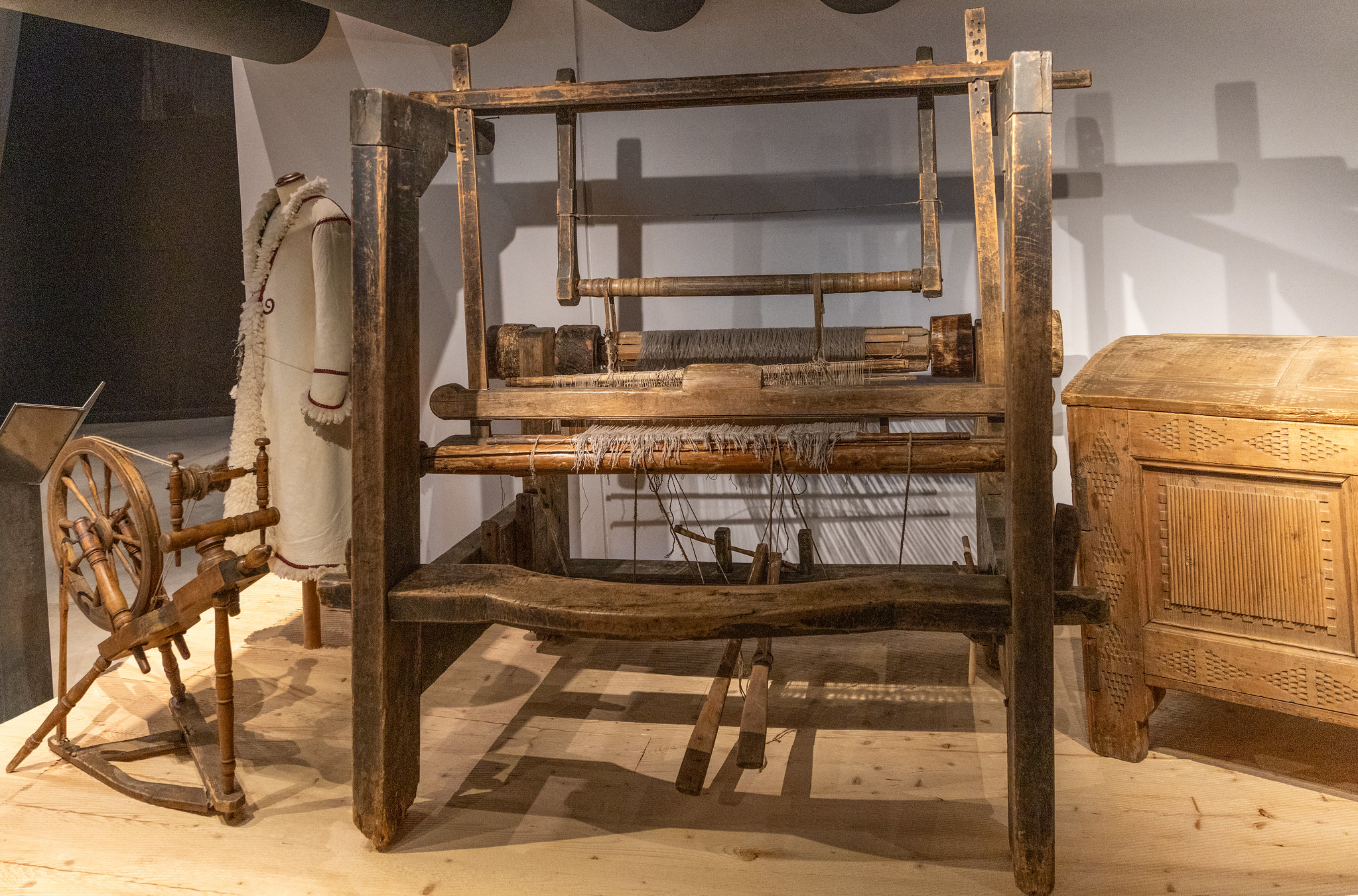
ERM is especially useful early in an Estonia trip, when its stories can add context to things you encounter elsewhere. Traditional clothing, household objects and changing ways of life become more meaningful when considered alongside the people who used them.
It also suits travelers who prefer a museum that invites exploration rather than a rapid sequence of famous masterpieces. You can follow a subject that interests you, compare generations or concentrate on how familiar activities differ between communities.
Plan Your Next Adventure

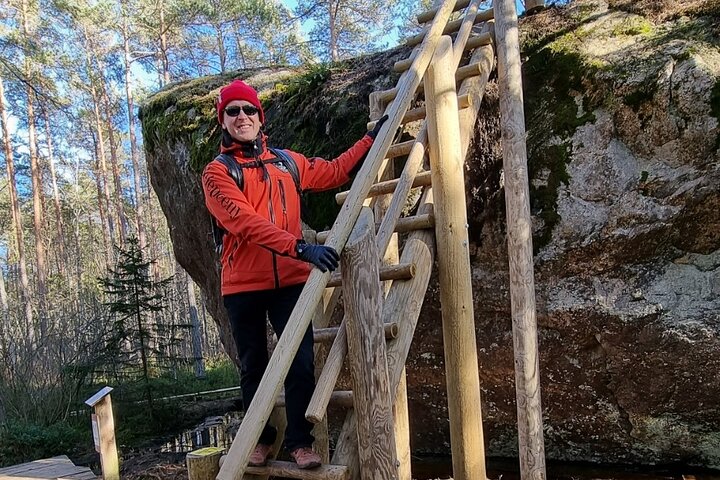

For architecture enthusiasts, the building is a reason to visit in its own right. For families, a selective approach works well: choose a few themes, take breaks and leave room for questions instead of trying to absorb every display.
History and the Raadi Setting
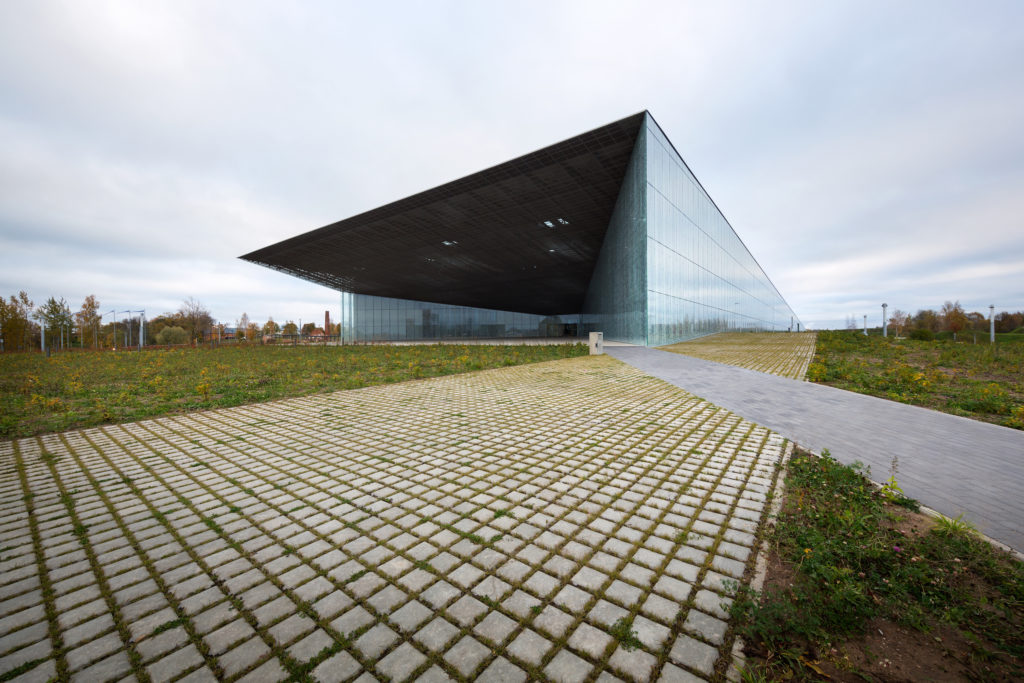
Founded in 1909, the museum grew from efforts to collect and preserve cultural material associated with Estonian life. Its modern role includes exhibitions, research and education, bringing historical collections into conversation with contemporary audiences.
The current building opened in 2016, not 2008. Its Raadi setting lies beyond Tartu’s compact historic center, so allow for the journey when planning your day.
Understanding the site adds to the visit: the museum stands in a landscape associated with Raadi Manor and a former Soviet military airfield. The relationship between those histories and the present museum is part of its character.
Architecture: A Museum Shaped by Its Landscape
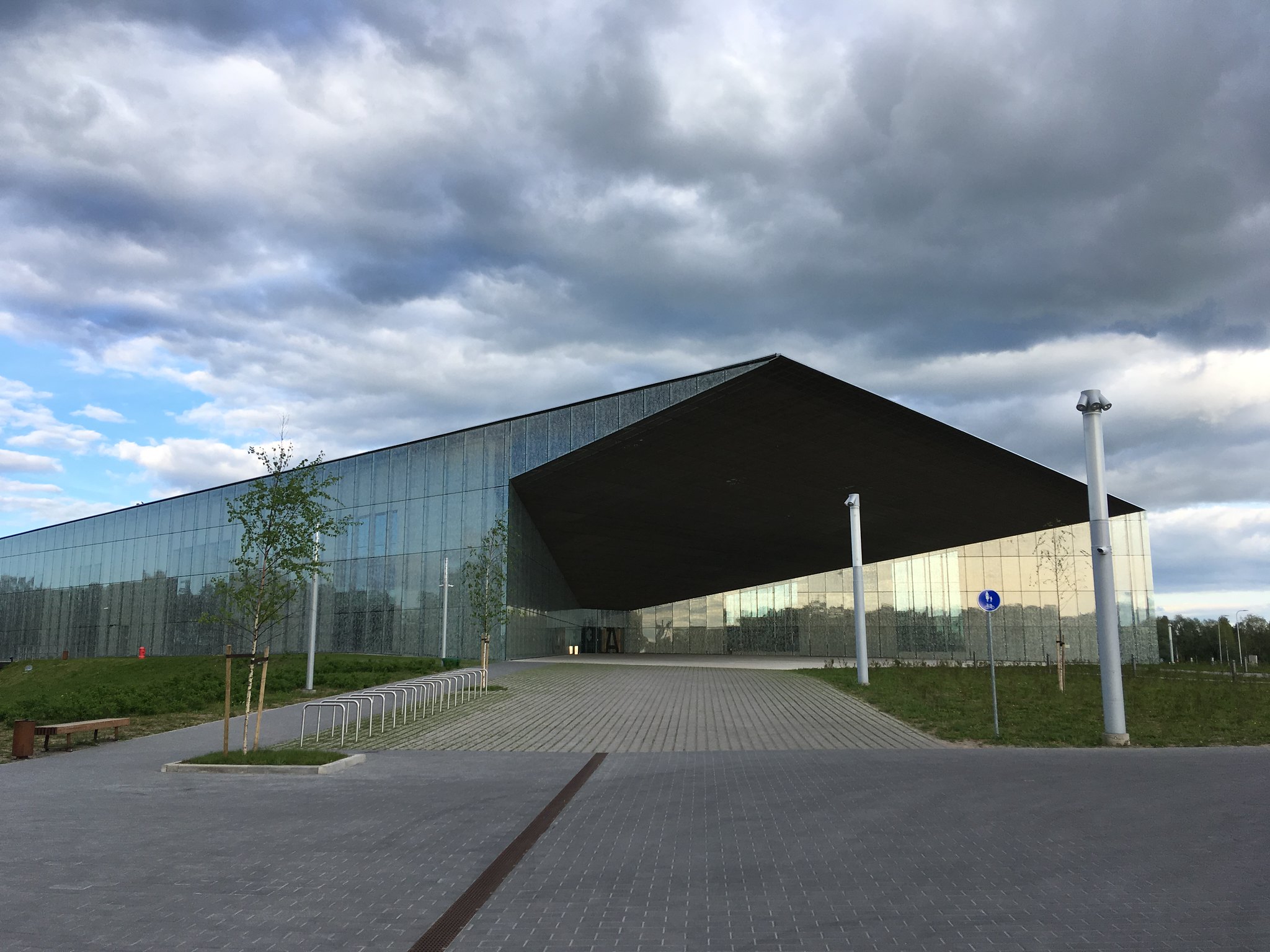
Designed by Dorell Ghotmeh Tane, the building takes inspiration from the former runway. Its elongated form rises from the ground, turning the airfield’s linear geometry into a new cultural space. The project is known as Memory Field.
Before entering, pause to view the structure from a distance. Then compare that impression with the spaces inside. The experience makes more sense when you consider the building together with the surrounding landscape rather than as an isolated object.
For photographs, allow time outside as well as in the galleries. Light and weather will change the appearance of the long facade throughout the day.
What to See: The Main Exhibitions
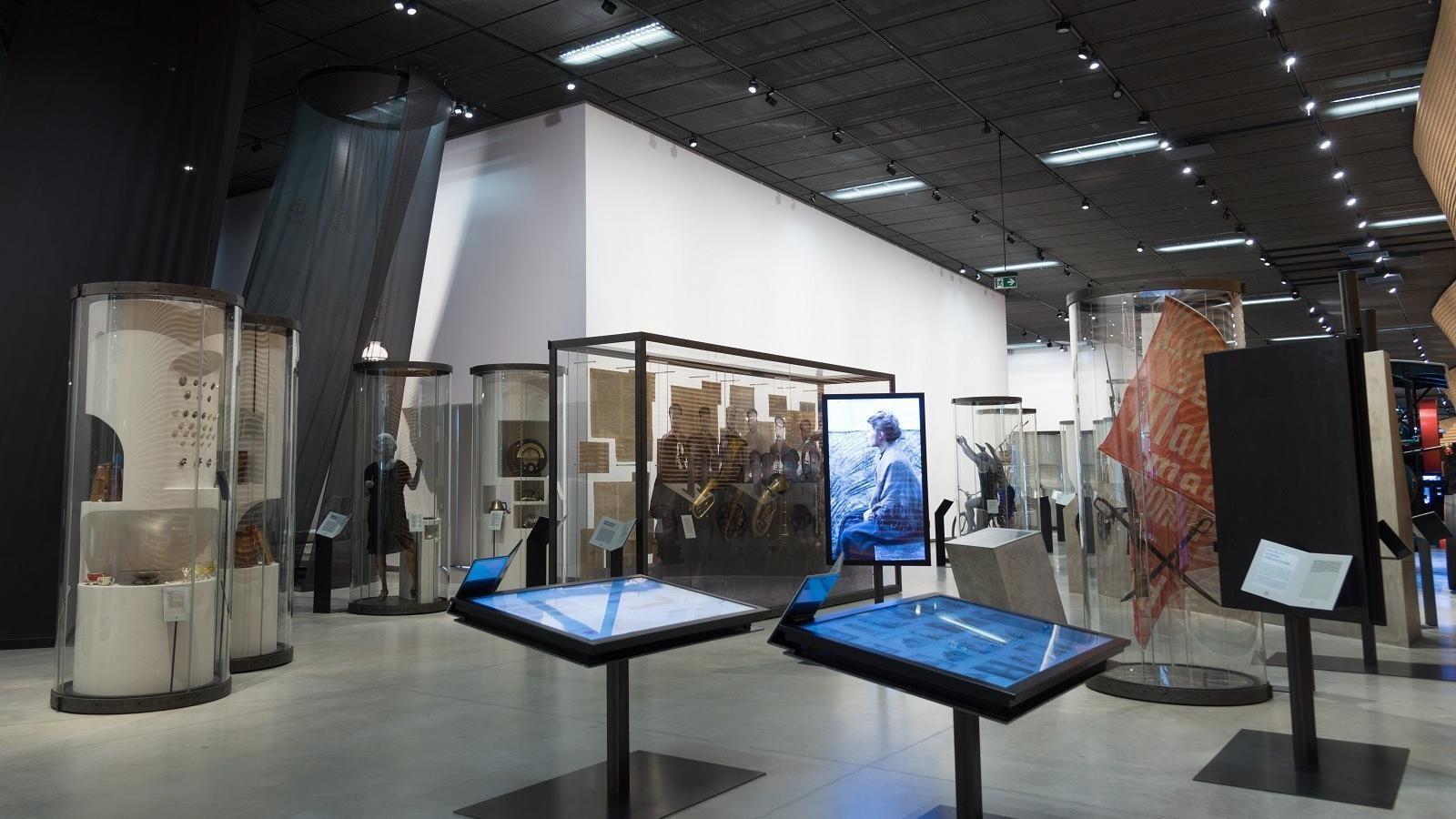
Encounters: Estonian Lives and Experiences
Encounters explores Estonia through the experiences of ordinary people across time. It is a good starting point if you want context for local customs, social change and cultural identity.
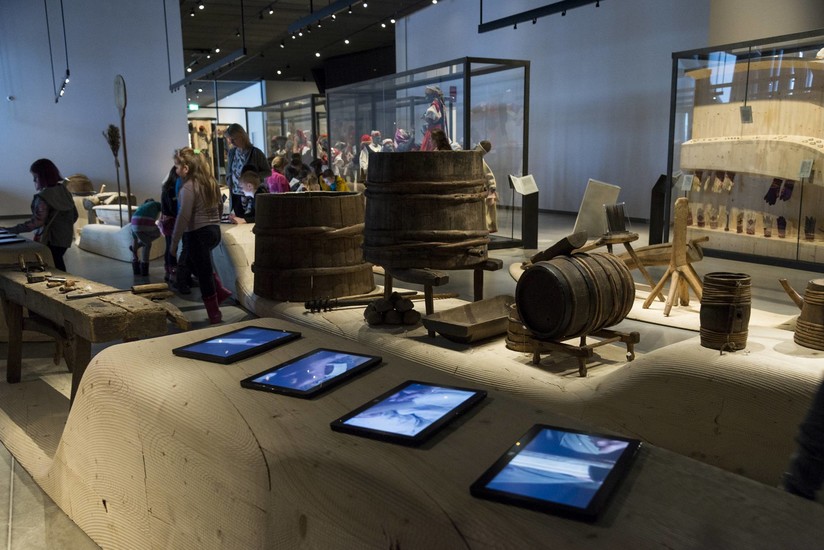
Rather than moving through it as quickly as possible, select a few objects and follow their interpretation closely. Small details can make a larger historical theme easier to understand. Compare what feels familiar with what reflects a different place or period.
Echo of the Urals: Finno-Ugric Cultures
Echo of the Urals introduces peoples connected by related languages, exploring everyday life, traditions and ways of understanding the world. It broadens the visit beyond Estonia alone.
The exhibition design uses environments, sound and visual storytelling to give objects context. Its designers describe a journey organized around seasonal rhythms, with clothing, tools and domestic objects woven into a wider account of people’s lives.
Temporary Exhibitions
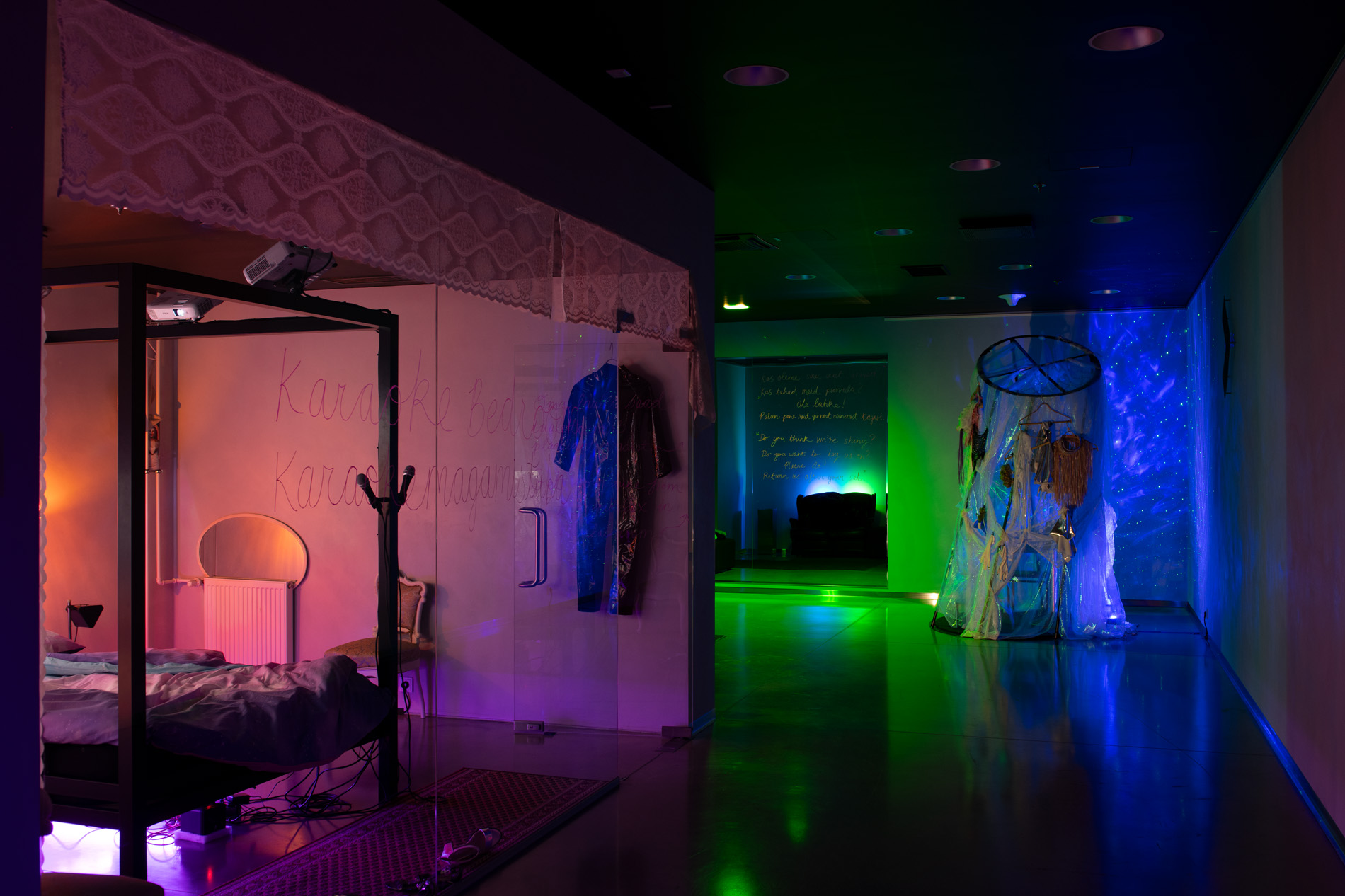
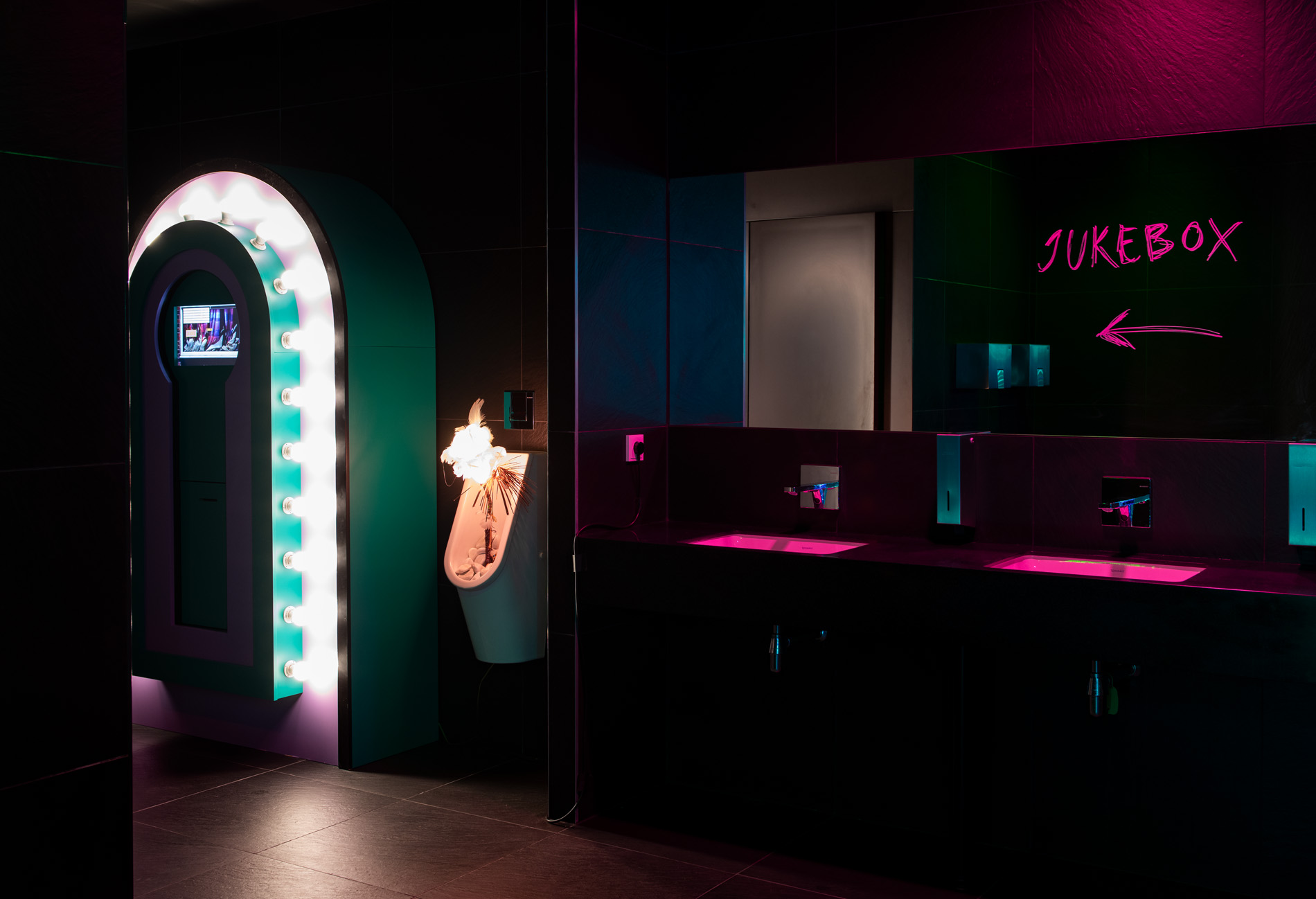
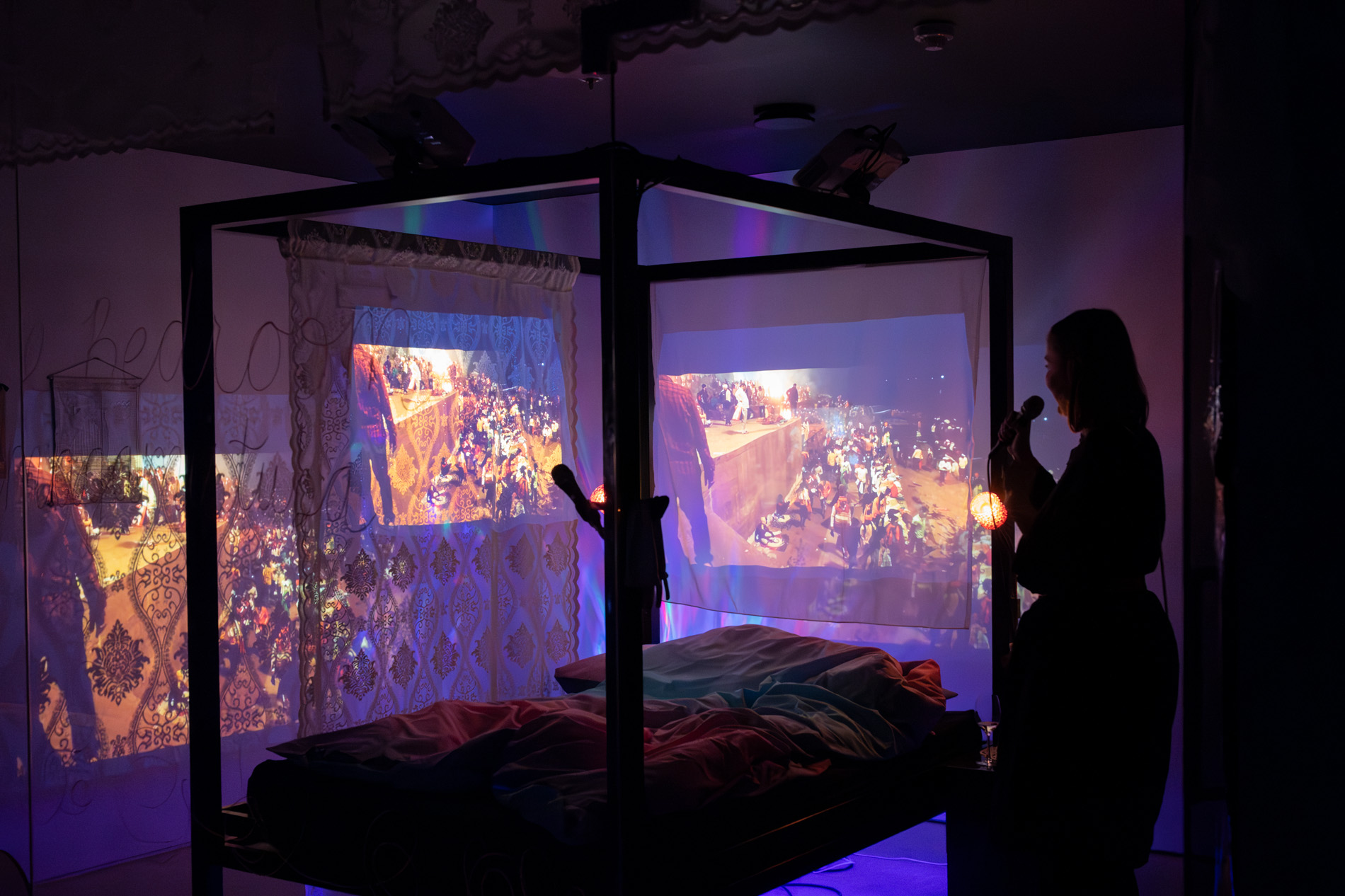
Check the current programme before buying tickets. A temporary exhibition may be a reason to extend your visit, but old photographs or previous listings do not establish what will be open on your date. The official ERM website is the best starting point for updates.
Make Time for the Grounds
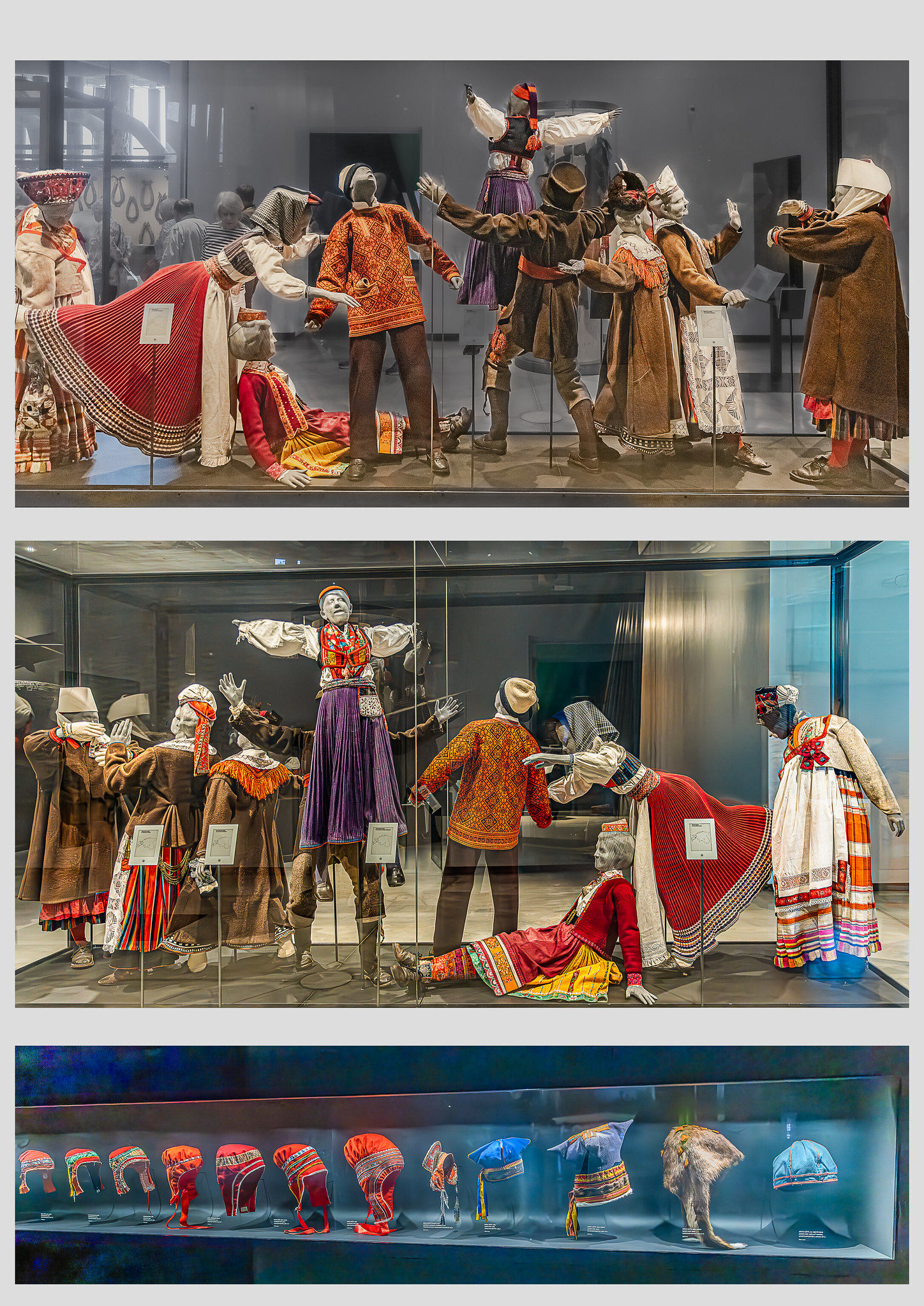
The outdoor setting offers a change of pace after time in the galleries. Lake Raadi and the surrounding landscape help you appreciate why the museum’s location matters, while the sculpture park adds another reason to explore outside.
Build the walk around the weather and your energy level. You might start outdoors before entering or save it for a break between exhibitions. Stay on appropriate paths and check conditions before extending the walk.
Plan Your Visit
Location and Full Address
Estonian National Museum, Muuseumi tee 2, 60532 Tartu, Estonia. Usually use Entrance A; Entrance B generally opens for special events.
Opening Hours
- Tuesday–Sunday: 10:00 a.m.–6:00 p.m.
- Monday: Closed.
- Box-office sales: End one hour before closing.
Check holiday exceptions and programme changes before traveling.
Ticket Prices
- All exhibitions: €16 standard or €12 reduced.
- Encounters, Gallery and B Section: €10 standard.
- Echo of the Urals: €10 standard.
- Whole-museum family ticket: €32, available at the museum for up to two adults with their minor children.
- Children aged eight and under: Free.
Choose your coverage carefully: a single-exhibition ticket is different from all-exhibitions admission. Check reduced-price eligibility and other conditions on the official admission page.
How Long to Spend
As a planning suggestion, allow three to four hours for both main exhibitions and a break. A focused visit can be shorter, while keen museum visitors may prefer most of a day.
Official Website and Contact
- Official website: Estonian National Museum.
- Visit information: Directions and accessibility.
- Visitor email: [email protected].
- Ticket enquiries: +372 736 3051.
How to Get There
On foot or by bicycle: The museum recommends following Roosi Street uphill from the center toward Muuseumi tee and Entrance A.
By bus: The official visitor guide lists route 7 from central Tartu. Check live routes and timetables before departure.
By car: Aim for the car park serving Entrance A and follow local signs.
If arriving in Tartu from elsewhere in Estonia, compare current train and coach services for your dates. Allow for the onward journey to Raadi rather than treating arrival at the station as arrival at the museum.
Accessibility and Visiting with Children
The museum supports wheelchair movement between floors, has accessible toilets and offers mobility aids for use on site. Adapted guide or companion services require advance arrangements. Noise-reducing headphones are available from the information desk.
Discuss individual needs before visiting. For children, choose a manageable route, alternate detailed viewing with breaks and ask which activities suit their ages. Do not assume workshops are included with standard admission.
Food, Shopping and Guided Experiences
The restaurant and museum shop provide opportunities to pause during a longer visit. Browse for books and locally inspired items, or use a meal break to decide which exhibition to explore next. Check opening arrangements separately if the meal is an important part of your plan.
Guided tours can help you make connections between different parts of the museum. Ask about languages, availability, group size and fees well before your visit. Educational programmes and workshops may require separate reservations.
Practical Tips for Your Visit
- Choose your priorities: Decide whether you want both main exhibitions or a more focused visit.
- Ask about language options: Confirm suitable interpretation at the ticket desk.
- Wear comfortable shoes: Leave energy for the outdoor setting as well as the galleries.
- Plan breaks: A meal or a walk can make a long museum visit more enjoyable.
- Follow photography rules: Personal photography is permitted without flash or tripods; respect other visitors.
- Check before returning: Exhibition programmes and access arrangements can change.
Nearby Attractions You Can Visit
Raadi Sculpture Park and Grounds
The closest extension is the museum’s own outdoor setting. Take a walk in the sculpture park and pause by the Raadi landscape before setting off elsewhere. This option keeps additional travel to a minimum.
Upside Down House
Nearby at Roosi 86, the Upside Down House offers a contrasting experience built around playful photography and disorienting interiors. It can work as a lighter addition after the museum. It is an independent attraction, so check its tickets, suitability and hours on the official website.
University of Tartu Botanical Garden
For a separate stop closer to the city center, consider the University of Tartu Botanical Garden. Its outdoor collections and greenhouses make an appealing option for visitors who enjoy plants and quieter surroundings. Check access and admission for the areas you want through the university’s official garden page.
Suggested outing: Spend the morning at ERM, take a lunch break and choose either a nearby Raadi activity or an onward trip toward the center. Check a live map for your route rather than trying to fit every option into one day.
Is the Estonian National Museum Worth Visiting?
For travelers curious about Estonia’s people, cultural identity and contemporary architecture, ERM deserves time in a Tartu itinerary. Its strength is the opportunity to explore familiar human experiences through different places, languages and generations.
Choose a pace that suits you, leave room for the setting and use the visit as a starting point for discovering more of Estonia.
Have you visited the Estonian National Museum? Share your favorite exhibition or a useful tip in the comments.
Information checked on 6 November 2026 using the official ERM admission and visitor pages, Visit Estonia and attraction websites linked above. Reconfirm prices, opening hours and exhibitions before traveling.




0 Comment