

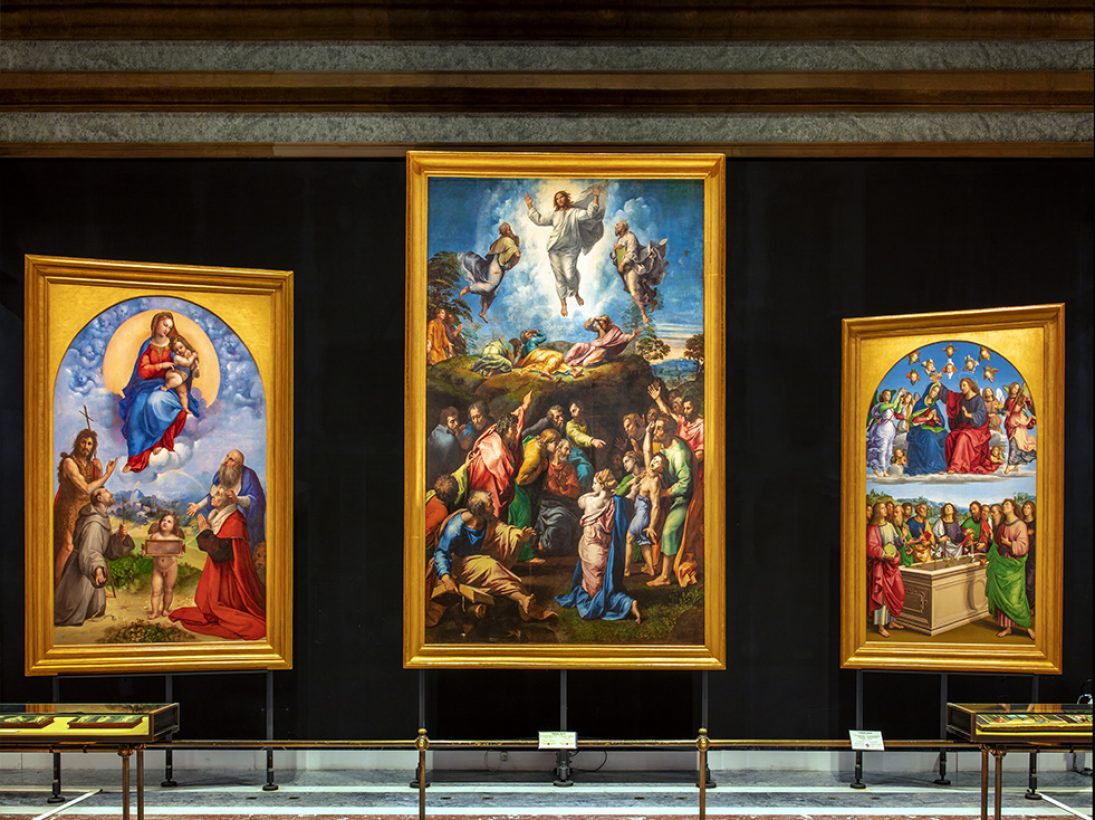

The Pinacoteca Vaticana, or Vatican Picture Gallery, is a rewarding stop for visitors who want to look closely at paintings within the vast Vatican Museums. Its collection brings together works by artists including Raphael, Leonardo da Vinci, Giotto, and Caravaggio.
Experiences You May Like
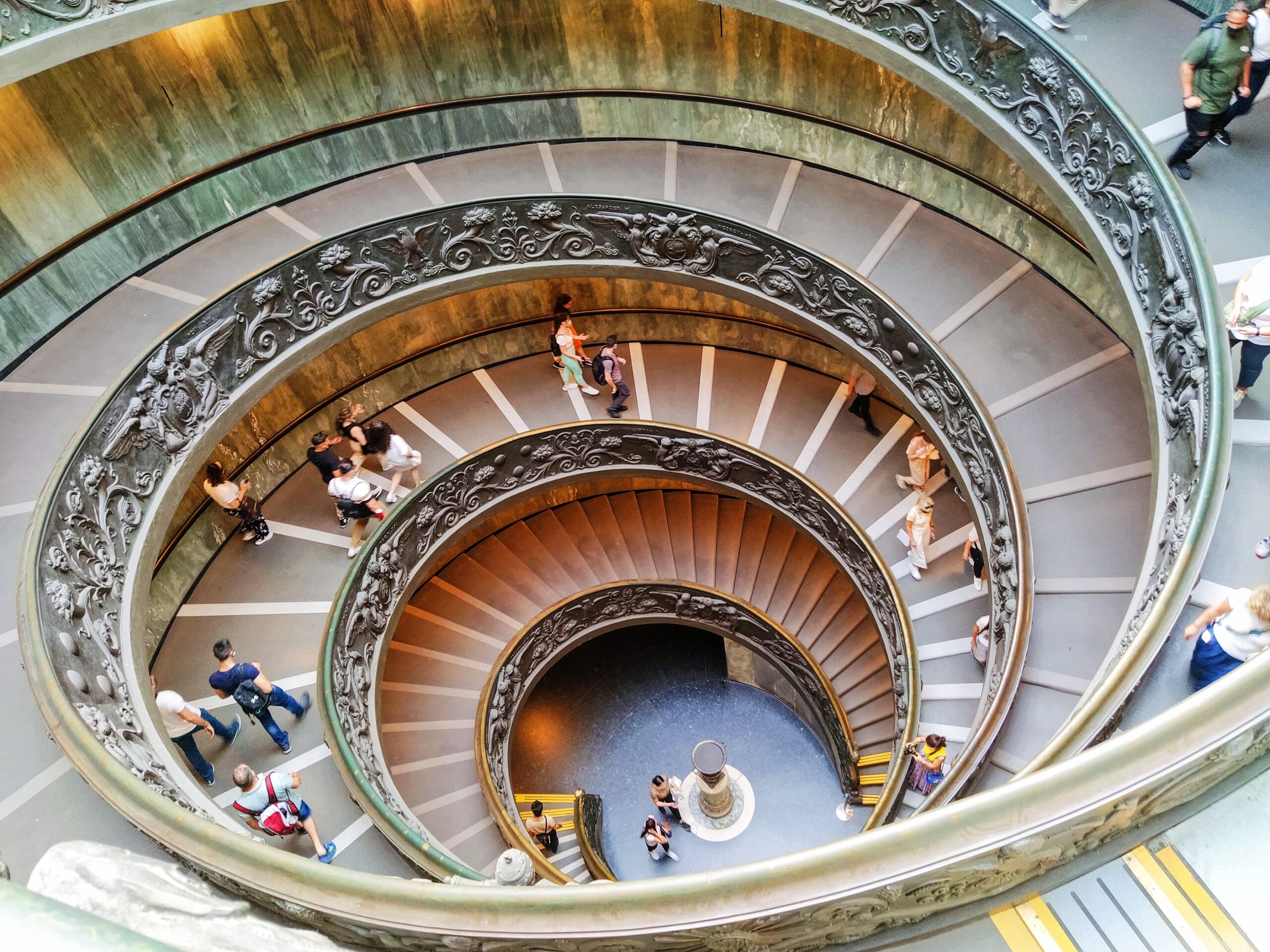
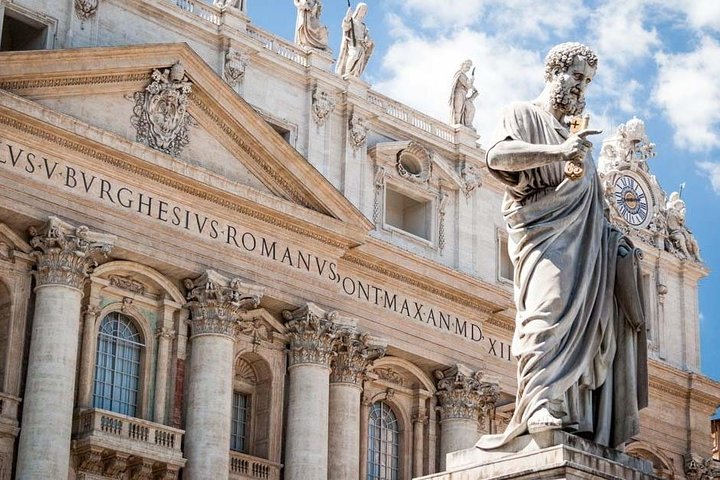

Rather than treating the gallery as an optional corridor on the way to the Sistine Chapel, give it a dedicated place in your itinerary. This guide covers the highlights, ticket arrangements, opening hours, and practical ways to combine the Pinacoteca with a wider Vatican visit.
Pinacoteca Vaticana Highlights
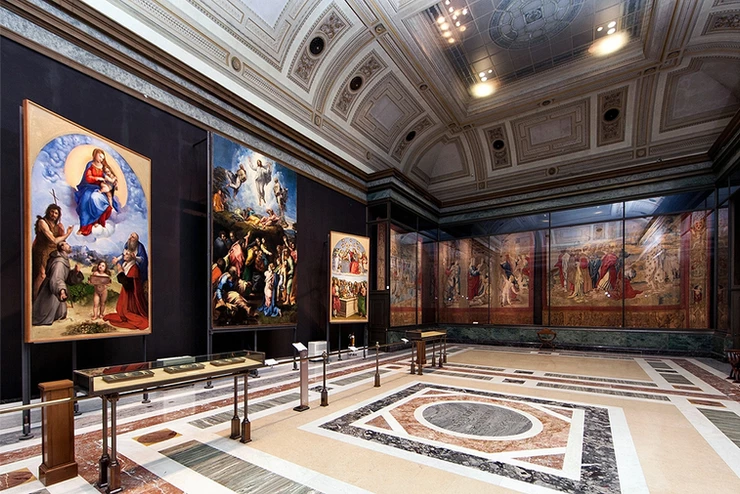
- Raphael’s Transfiguration: Study the contrasting scenes within his final painting.
- Leonardo’s Saint Jerome: Discover an unfinished work that reveals aspects of the artist’s process.
- Caravaggio’s Deposition: Observe the dramatic relationship between light, gesture, and physical weight.
- Earlier Italian painting: Trace changes in composition and representation before the High Renaissance.
- A purpose-built gallery: Explore the building created to give the paintings a permanent home.
Why You Should Visit the Pinacoteca Vaticana
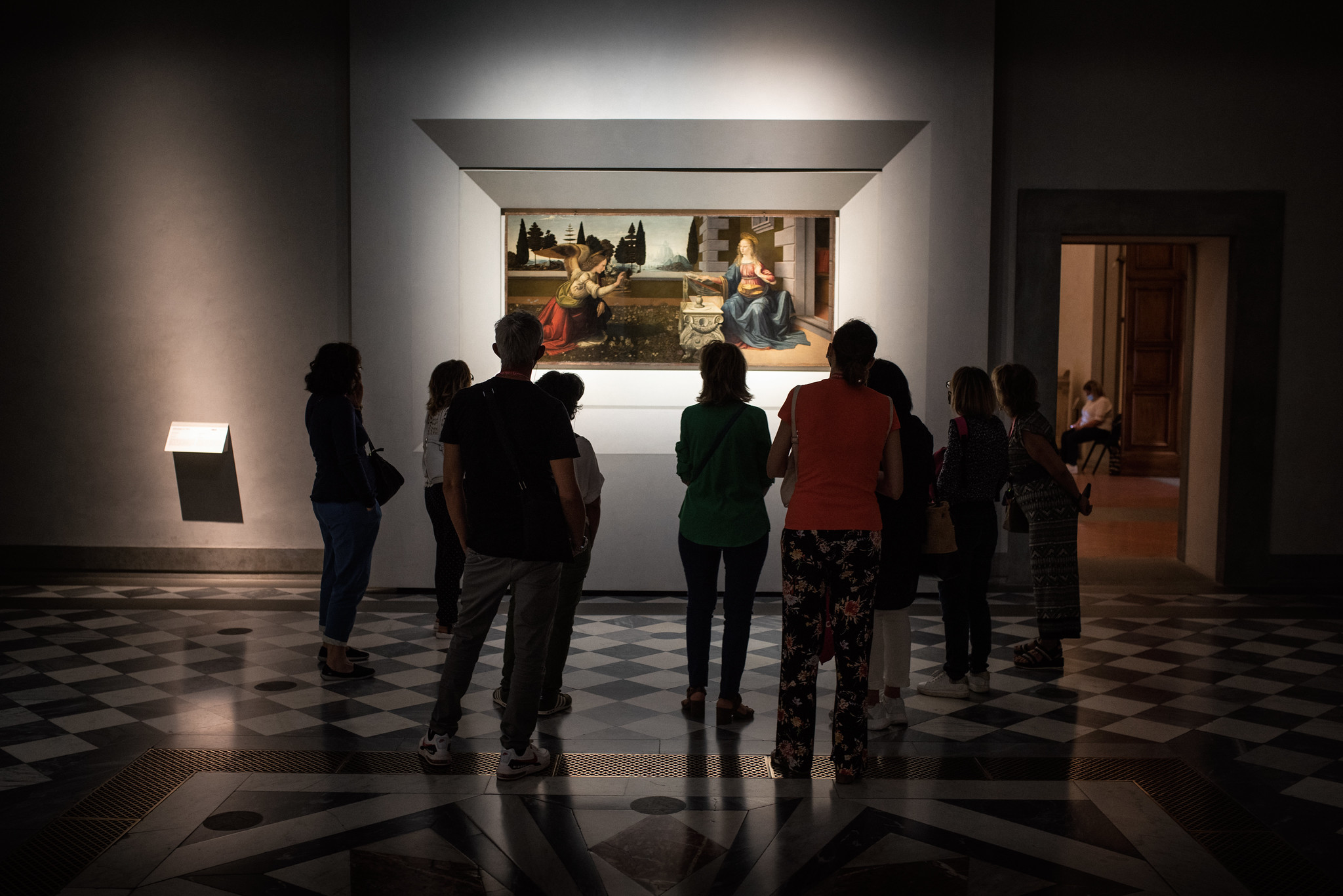
The Picture Gallery provides an opportunity to concentrate on individual works rather than move continuously through a long sightseeing route. Choose a few paintings and spend time with their composition, scale, and expression.
More Experiences to Explore
It also makes a useful comparison with the Raphael Rooms and Sistine Chapel. A portable painting or altarpiece offers a different viewing experience from frescoes created for a particular architectural space. Seeing both can add variety to a day in the museums.
The History of the Vatican Picture Gallery
Pope Pius VI assembled an initial collection around 1790. After works taken to Paris under the Treaty of Tolentino were largely returned, the idea of a modern public picture gallery developed in 1817.
Plan Your Next Adventure
The present building, designed by Luca Beltrami for Pope Pius XI, opened on 27 October 1932. Its location in the Square Garden was selected with lighting and preservation in mind.
The official collection overview describes a nucleus of approximately 460 paintings arranged by chronology and artistic school, extending from medieval works to the nineteenth century. This history is more precise than saying the collection itself began only in 1932.
Paintings to Prioritise
Raphael: The Transfiguration
In Room VIII, Raphael’s Transfiguration combines two Gospel episodes. Christ appears above with Moses and Elijah, while the lower scene shows the apostles confronted with a boy in need of healing.
Look first at the separation between the upper and lower groups, then follow the gestures that connect them. Allow enough viewing distance to appreciate the painting as a whole before focusing on details.
Leonardo da Vinci: Saint Jerome
Saint Jerome, listed in Room IX, survives at different stages of completion. The museum dates it to around 1481–1482 and highlights its value for understanding Leonardo’s creative process.
Its unfinished state is part of the attraction. Compare areas where the figure is strongly developed with those that remain less resolved, rather than expecting the uniform finish of a completed altarpiece.
Caravaggio: Deposition
In Room XII, the Deposition uses a tightly connected group and emphatic gestures to convey the scene’s emotional weight. Observe how the figures, the body of Christ, and the projecting stone bring the action towards the viewer.
The museum notes that the image does not simply depict Christ being placed in a tomb in the conventional way. Reading the accompanying explanation helps avoid reducing the work to its familiar title alone.
Earlier and later paintings
Leave time for works outside the most famous names. The chronological arrangement makes it possible to compare how artists organise figures, construct space, and direct attention. Ask a guide to select a few examples that connect with your interests.
Room numbers identify the official collection arrangement, not a guarantee that every work will be on display on your date. Loans, conservation, or temporary changes can affect availability.
Plan Your Visit to the Pinacoteca Vaticana
- Location: Inside the Vatican Museums, Vatican City.
- Visitor entrance: Vatican Museums entrance, Viale Vaticano, 00165 Rome, Italy. Do not use St. Peter’s Square as the assumed entrance.
- Ticket requirement: The Pinacoteca is part of the Vatican Museums; an ordinary museum ticket covers the gallery when open. You do not need a special “combination” ticket solely to add it.
- Standard adult admission: €20, plus a €5 official online booking fee for a reserved ticket.
- Reduced admission: The published reduced rate is €10, plus the online booking fee where applicable. Check eligibility and documents before purchasing.
- Regular museum hours: Monday–Saturday, 8:00 AM–8:00 PM, last entry 6:00 PM.
- Sunday arrangements: Usually closed except the last Sunday of the month, when free admission normally runs 9:00 AM–2:00 PM, last entry 12:30 PM, subject to calendar exceptions.
- Suggested duration: Allow approximately 45–90 minutes for a focused gallery visit, and several additional hours if exploring other museum sections. This is a planning estimate.
- Official gallery information: Vatican Pinacoteca.
- Official tickets: Vatican Museums booking portal.
- General enquiries: [email protected]; +39 06 69883145.
Prices and schedules were checked in November 2026. Check the official calendar for your date and any sector closures; exhibition rooms begin clearing 30 minutes before the museums close.
How to Include the Gallery in Your Museum Route
Download the official museum map and identify the Pinacoteca before arrival. If paintings are your main priority, consider visiting it early in your route rather than relying on spare time after the Sistine Chapel.
For a guided tour, ask specifically whether the Picture Gallery is included. A general highlights tour may concentrate on other collections. You can review the Vatican Museums option on Kenzly, checking the current product’s route and inclusions.
Leave room for a break between substantial sections. Trying to add every collection can turn a rewarding painting visit into a hurried circuit.
Getting There and Practical Tips
- Transport: Ottaviano or Cipro on Metro Line A can provide starting points for the walk to the museum entrance. Check current services and your exact approach.
- Security: Timed tickets do not eliminate screening. Follow the entry instructions on your reservation.
- Dress: Cover shoulders and knees for the museum itinerary and Sistine Chapel.
- Photography: Personal photography is generally allowed without flash in museum galleries; photography and filming are prohibited in the Sistine Chapel. Follow any local restrictions.
- Accessibility: Consult the official accessible route and ask staff about lifts and suitable passages.
- Looking carefully: Stand back to see a painting’s overall composition before moving closer to permitted viewing distances.
- Bags and breaks: Check cloakroom rules, use designated rest areas, and allow time to collect deposited belongings.
Nearby Collections and Attractions
Raphael Rooms
Compare Raphael’s paintings in the Pinacoteca with frescoes created for architectural settings elsewhere in the Vatican Museums. Follow the current route and allow time to understand the rooms as complete spaces.
Sistine Chapel
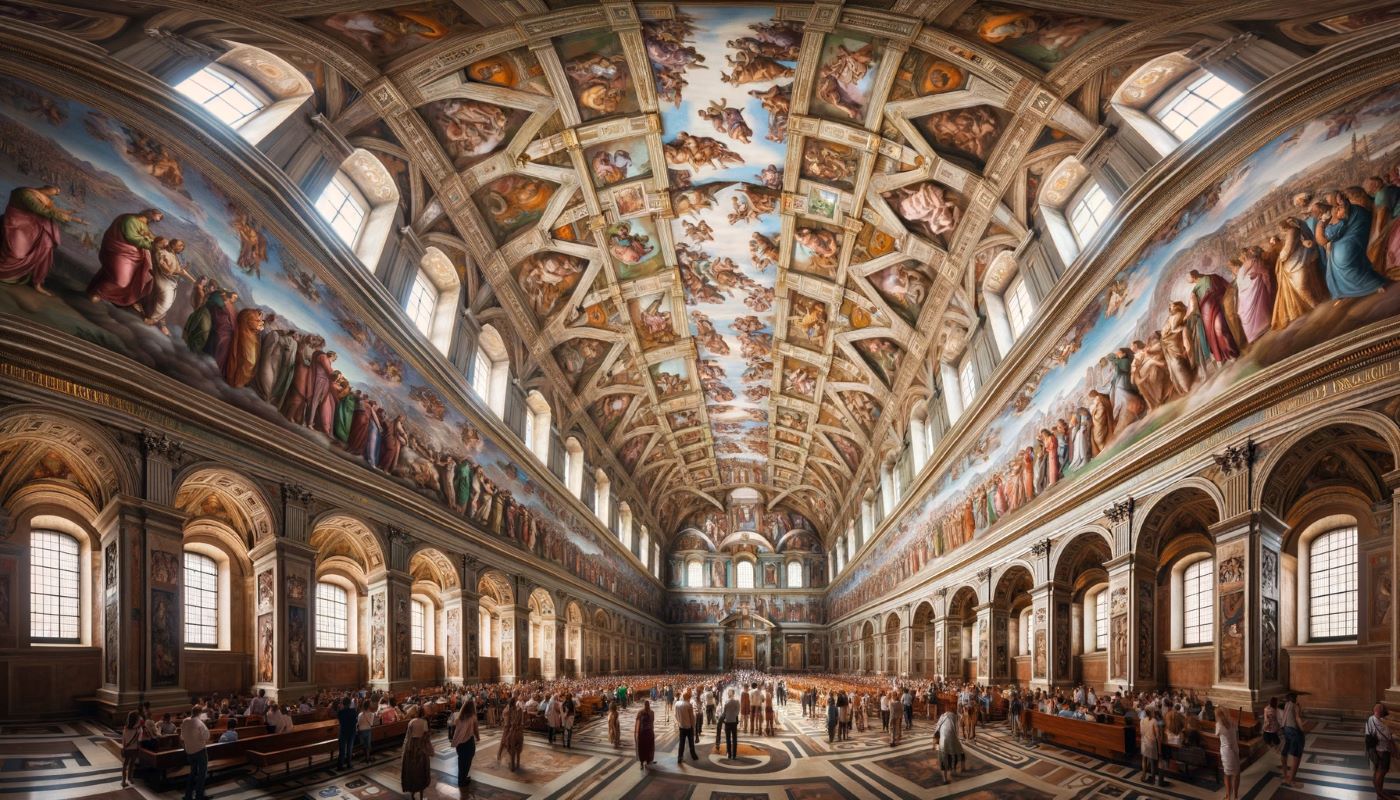
Reserve time for Michelangelo’s ceiling and Last Judgment. Learn the main points before entering, since the chapel must be appreciated in silence.
Pio-Clementine Museum
Add classical sculpture if you want a change of medium after the paintings. Choose a few works to study rather than trying to see every object.
St. Peter’s Basilica and Square
These are separate visitor destinations outside the museum route. Allow time for the walk and basilica security, and do not assume a direct internal shortcut is available.
A Suggested Pinacoteca Itinerary
Begin with a focused selection of earlier paintings, then give dedicated time to Raphael, Leonardo, and Caravaggio. Compare their approaches to gesture, space, and light before moving to your next museum section.
For a broader first visit, combine the gallery with a manageable selection of sculpture, the Raphael Rooms, and the Sistine Chapel when open. Keep your schedule flexible enough to enjoy the works that hold your attention.
Which painting would you most like to see in the Pinacoteca Vaticana? Share your favourite artist or visiting tip in the comments.


0 Comment