


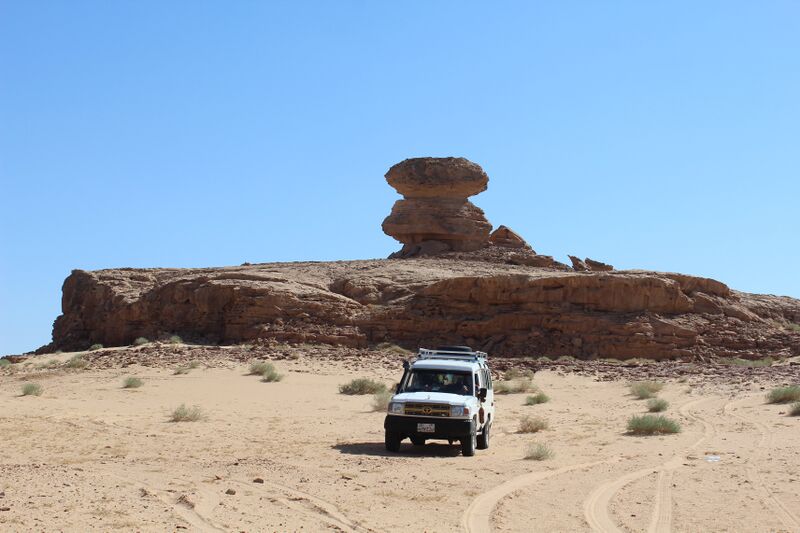
Description
Unearthing Pharaoh’s Legacy: A Camping Adventure to Serabit
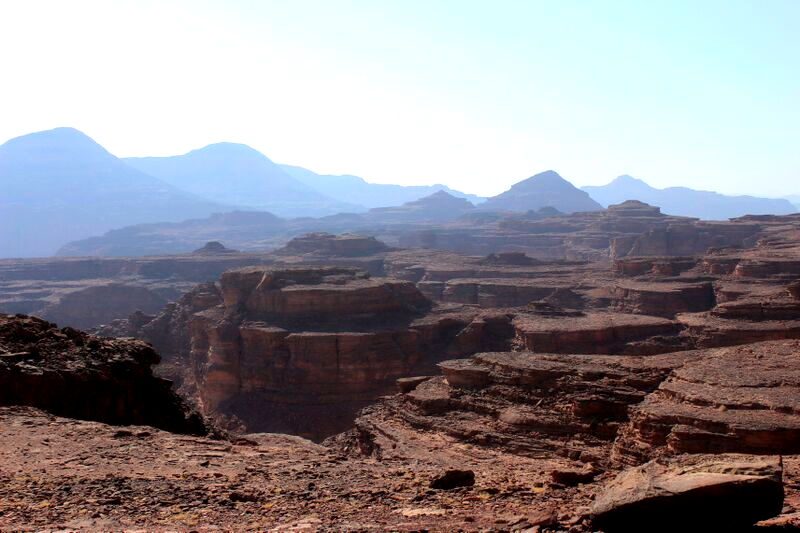
Serabit al Khadem is a locality in the southwest Sinai Peninsula where copper and turquoise were mined extensively in antiquity, mainly by the ancient Egyptians.
Archaeological excavation, initiated by Flinders Petrie at the beginning of the 19th century revealed ancient mining camps and a long-lived temple dedicated to Hathor, the Egyptian goddess who was considered the protector in desert regions of the mine workers. Hathor was also referred as the Turquoise Lady.
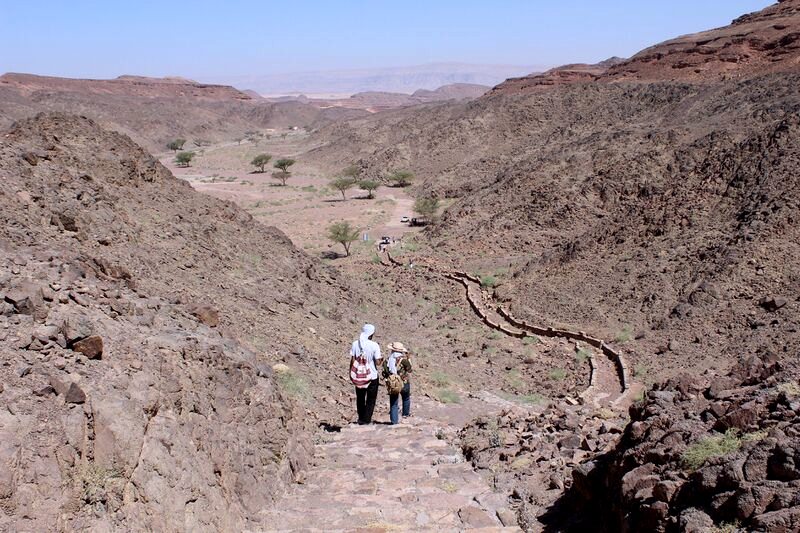
The temple, located at an altitude of 850 m above sea level is about 10 km north of Wadi Maghara and about 43 km east of Abu Zenima, is one of the most important temples of ancient Egypt. It was built during the XII Dynasty (1955- 1750 BC) by the miners ruled by the Pharaoh Snefru, however it seems that mining activity can be dated back to the III Dynasty (2670-2570 BC) and continued at least after the XVIII Dynasty (1550 to 1292 BC).
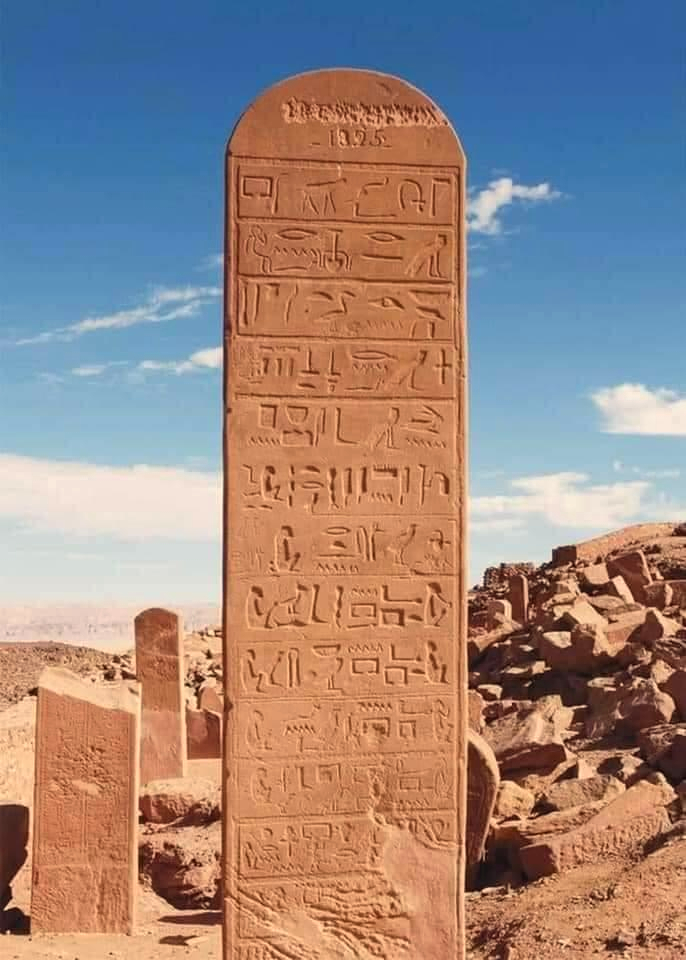
During this period Queen Hat-Shep-Sut and her stepson Tuthmosi III built the lower part of the Temple of Serabit and ordered to engrave numerous votive steles that are still visible.
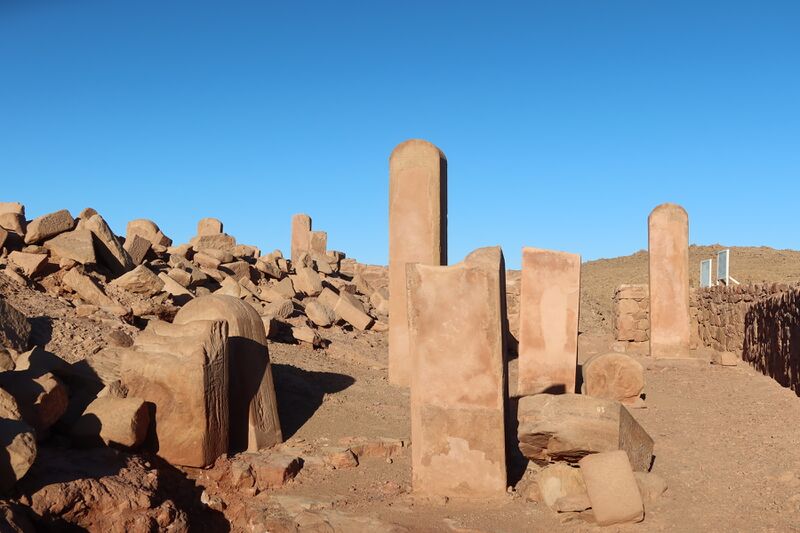
In ancient times the Temple was also known as a place of worship and healing, as evidenced by the many votive steles found in the temple and in the cave. Serabit el Khadem means “Columns of the Slave” and refers to the tall votive steles that dominate the ruins of the ancient Egyptian temple.
The temple was built on a plateau and extends for about two thousand squares meters starting from a cave cut in the rocks dedicated as well to the goddess Hathor.
A detailed description of the temple and the Serabit al Khadem area is given by Alberto Siliotti in his book: Guide to Exploration of the Sinai Close to the temple to the North the entrance of the old mines are visible.


Reviews
There are no reviews yet.