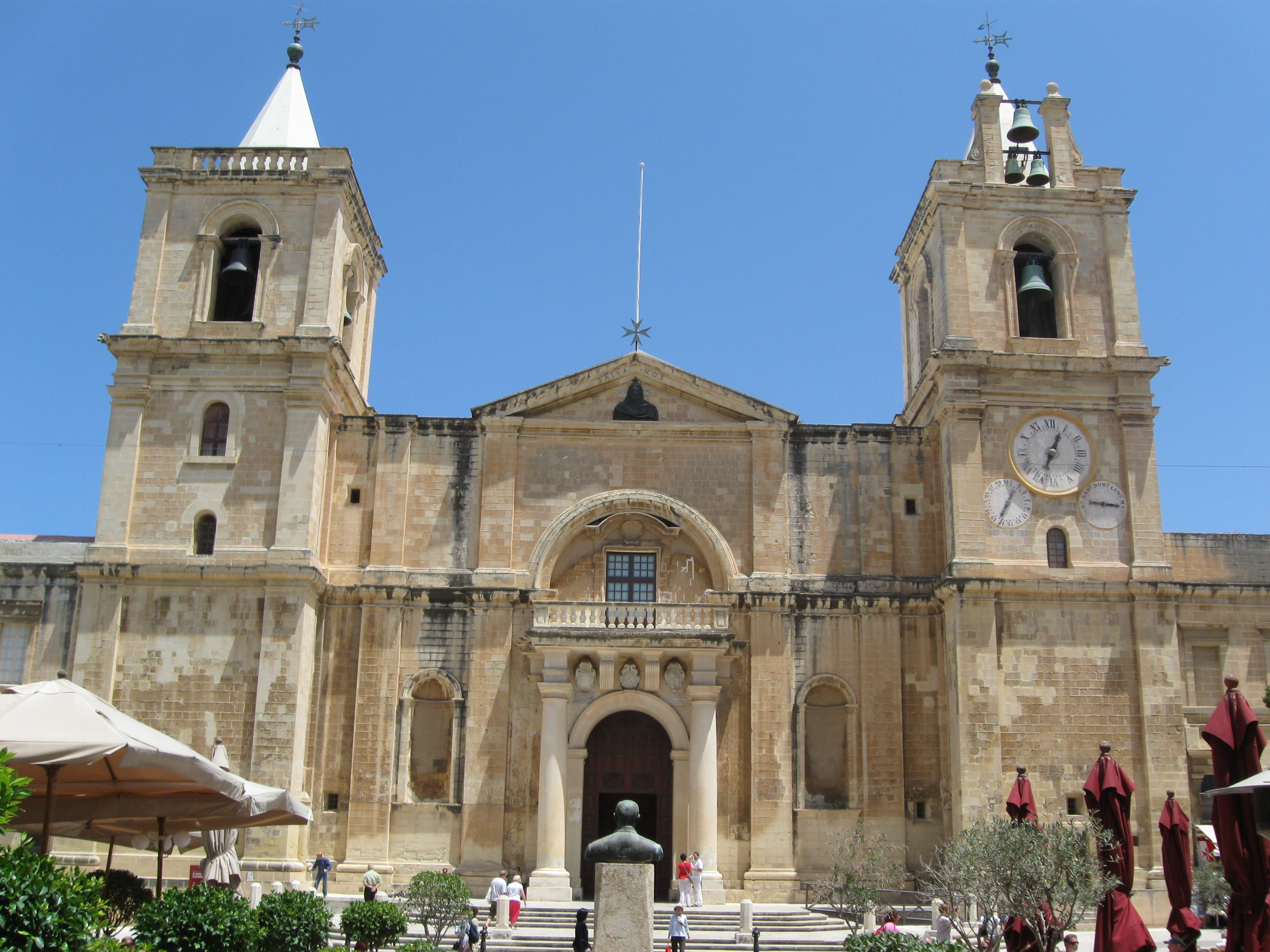
St. John’s Co-Cathedral in Valletta is one of Malta’s most rewarding cultural visits. Behind its restrained stone exterior lies an intensely decorated interior of gilded carving, painted vaults, elaborate chapels, and inlaid marble tombstones. Caravaggio’s paintings add another compelling reason to step inside.
Allow time to explore at a measured pace. This is both a major art destination and an active church, where visitor arrangements protect the sacred setting and delicate surfaces. This guide covers the highlights, tickets, opening hours, visitor rules, and nearby places to combine with your visit to Valletta, Malta.
St. John’s Co-Cathedral Highlights
St. John’s Co-Cathedral
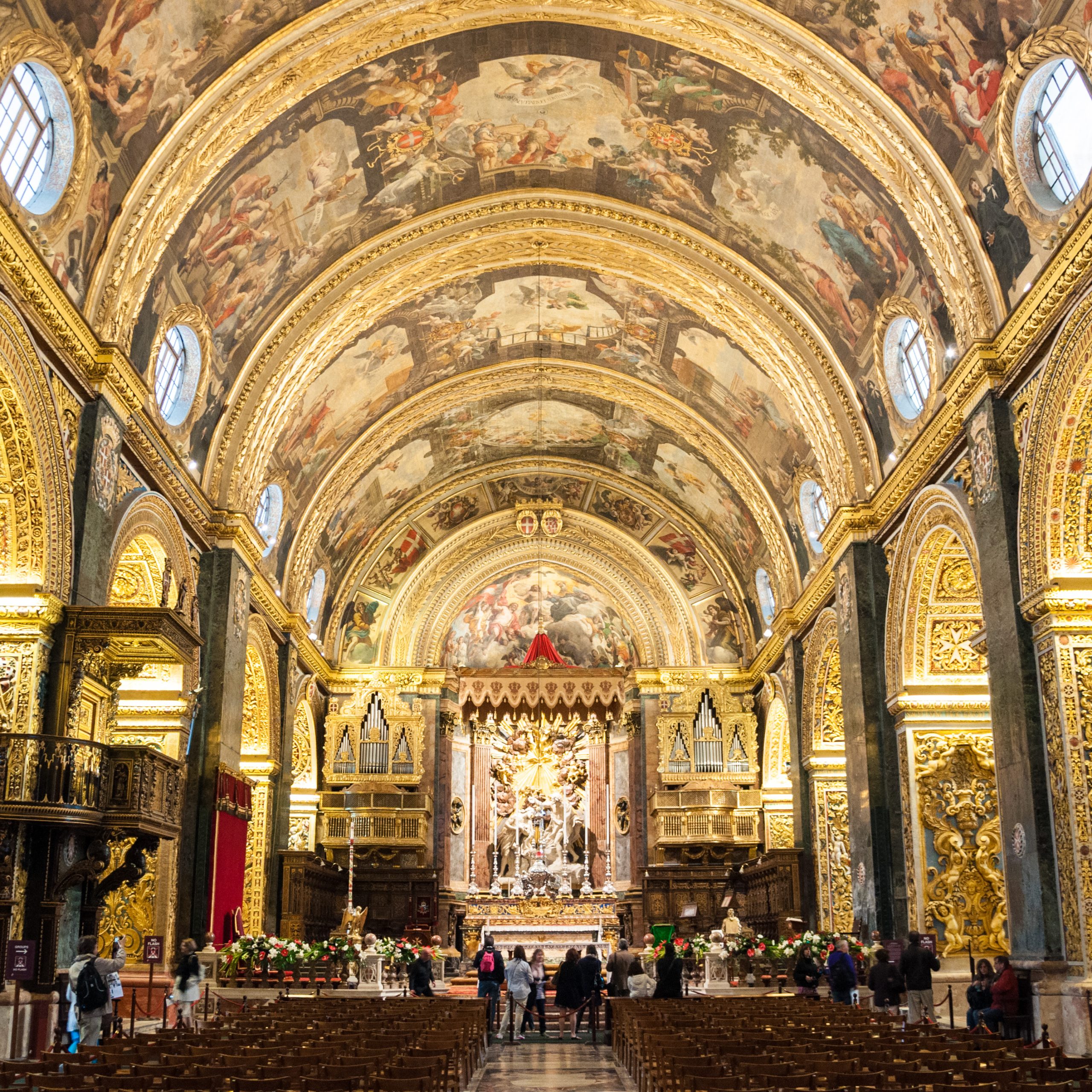
The Baroque nave: Take in the gilded decoration and dramatic contrast with the exterior.
Mattia Preti’s vault paintings: Look up at scenes from the life of St. John the Baptist.
The chapels: Discover the religious and artistic patronage of the Order’s different langues.
The marble floor: Study the symbolism of the knights’ tombstones.
Caravaggio: See the celebrated works associated with his time in Malta, subject to current access.
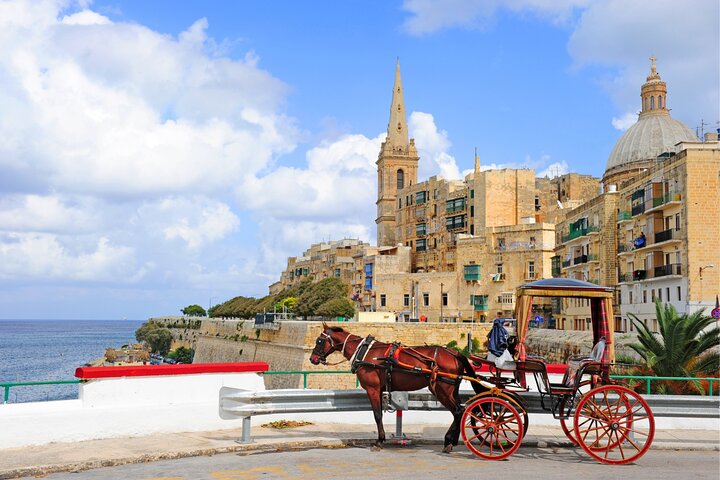
Central Valletta: Continue to museums, streets, and harbor viewpoints nearby.
Why You Should Visit St. John’s Co-Cathedral
The contrast between outside and inside makes a strong first impression, but the real reward comes from looking closely. A carved detail, a chapel monument, and a floor inscription each reveal something about the people who commissioned them.
For art lovers, the visit connects two very different Baroque approaches: the richly decorated church interior and Caravaggio’s concentrated use of darkness, light, and human expression. For history enthusiasts, the building explains the international character and ambitions of the Knights of St. John.
Its central location also makes it easy to include in a Valletta sightseeing day. Rather than treating it as a brief stop between other attractions, give the interior your full attention and plan a break afterward.
Grand Master Jean de la Cassière commissioned the church for the Order of St. John. Built between 1572 and 1577 to a design by Maltese architect Gerolamo Cassar, it served as the Order’s conventual church in the new capital.
Its exterior reflects a comparatively sober architectural character. Much of the interior’s lavish appearance developed later, particularly during the seventeenth century, as the Order invested in elaborate decoration and artistic commissions.
Mattia Preti played a major part in this transformation. His contribution helps explain why the church is such an important setting for Maltese Baroque art. Its co-cathedral status links it with St. Paul’s Cathedral in Mdina within the Archdiocese of Malta.
What to See Inside
St. John’s Co-Cathedral
The Nave and Painted Vault
Begin with the main space before concentrating on individual details. The gilded surfaces and painted ceiling work together to create a unified visual experience. Preti’s vault paintings follow the life of St. John the Baptist, patron saint of the Order.
Use the interpretation to identify a few scenes rather than trying to absorb the whole ceiling at once. When looking upward, pause clear of the main walking route so that other visitors can move around you.
The Chapels of the Langues
The Order’s langues were linguistic and geographical groupings. Their patronage is reflected in chapels containing altarpieces, monuments, and richly worked decoration.
Compare two or three chapels carefully: look at their principal artwork, heraldry, and memorials. This is more illuminating than walking past each one without understanding its role.
The Marble Tombstones
The floor forms an extraordinary collection of memorials. Coats of arms, inscriptions, skeletal figures, and other symbolic imagery commemorate members of the Order and reflect attitudes toward rank, mortality, and remembrance.
Look down as well as up. The floor is a fragile historic surface, which is why appropriate footwear and careful movement matter here.
Caravaggio: The Oratory and Paintings
St. John’s Co-Cathedral
The Beheading of Saint John the Baptist, painted in 1608, is the essential work for many visitors. Its scale, restrained setting, and dramatic focus give it a very different impact from the surrounding church decoration. It is renowned as Caravaggio’s only signed painting.
Saint Jerome Writing provides a more intimate encounter with the artist’s treatment of the human figure and light. Both works belong to his brief, turbulent Maltese period, during which he entered the Order before his arrest, escape, and expulsion.
Take a few moments to look before listening to the explanation. Notice where the light falls, how the figures direct attention, and how the surrounding darkness shapes the scene.
Current visitor notice: The Foundation announced that the Face-to-Face Experience in the Caravaggio Wing is temporarily closed from 6 November 2026 until further notice. This notice refers to that experience; it does not by itself announce the closure of the Oratory or both paintings. Check current notices if Caravaggio is your main reason for visiting.
Tapestries, Collections, and Conservation
St. John’s also holds important tapestries, silver, and other religious treasures. Their conservation and display form part of an evolving museum project. Do not assume that all collections mentioned in historical descriptions are permanently on view during every visit.
If the tapestries or a particular collection are your priority, consult the Foundation’s latest announcements before purchasing. A museum project milestone or restored façade does not necessarily mean that every new gallery has opened.
Conservation is visible in everyday visitor rules as well. Giving others space and following the marked route helps protect both the building and the experience of people around you.
Plan Your Visit to St. John’s Co-Cathedral
St. John’s Co-Cathedral
Address: St. John’s Co-Cathedral, St. John Street, Valletta, Malta. Follow signs to the tourist entrance on arrival.
Check for service-related changes and temporary closures before traveling. Do not interpret worship access on a Sunday as an opportunity for a normal sightseeing visit.
Admission includes a handheld audio guide. It is useful for a first visit, helping connect the chapels, decoration, and paintings. Bring any identification required for a concession.
Dress Code, Photography, and Visitor Rules
St. John’s Co-Cathedral
Dress respectfully: Cover shoulders and knees; carry a shawl if needed.
Choose flat shoes: Stilettos and narrow heels are prohibited to protect the floor.
Photographs: Still photography without flash is permitted, subject to staff directions.
Video and sound: Recording requires prior written consent, including non-commercial filming.
Bags: Bring a small bag; there are no on-site lockers and wheeled luggage is not allowed.
Refreshments: Food and drinks are not permitted inside.
Allow enough time before closing. Arriving at last admission leaves only 45 minutes, which is a short window for the full experience.
Getting There and Accessibility
From Valletta’s main bus terminus, continue through City Gate and along the central streets toward the co-cathedral. If arriving by ferry, factor in the uphill connection from the waterfront rather than judging the route only by map distance.
For taxis or private transfers, agree on a suitable drop-off near the pedestrian center. Wear comfortable shoes for Valletta’s slopes and paved streets.
The Foundation provides access for wheelchair users and visitors with mobility difficulties, but some areas are restricted. Contact it about your intended route and assistance needs before arrival rather than assuming every chapel, upper area, or optional tour is equally accessible.
Nearby Attractions in Valletta
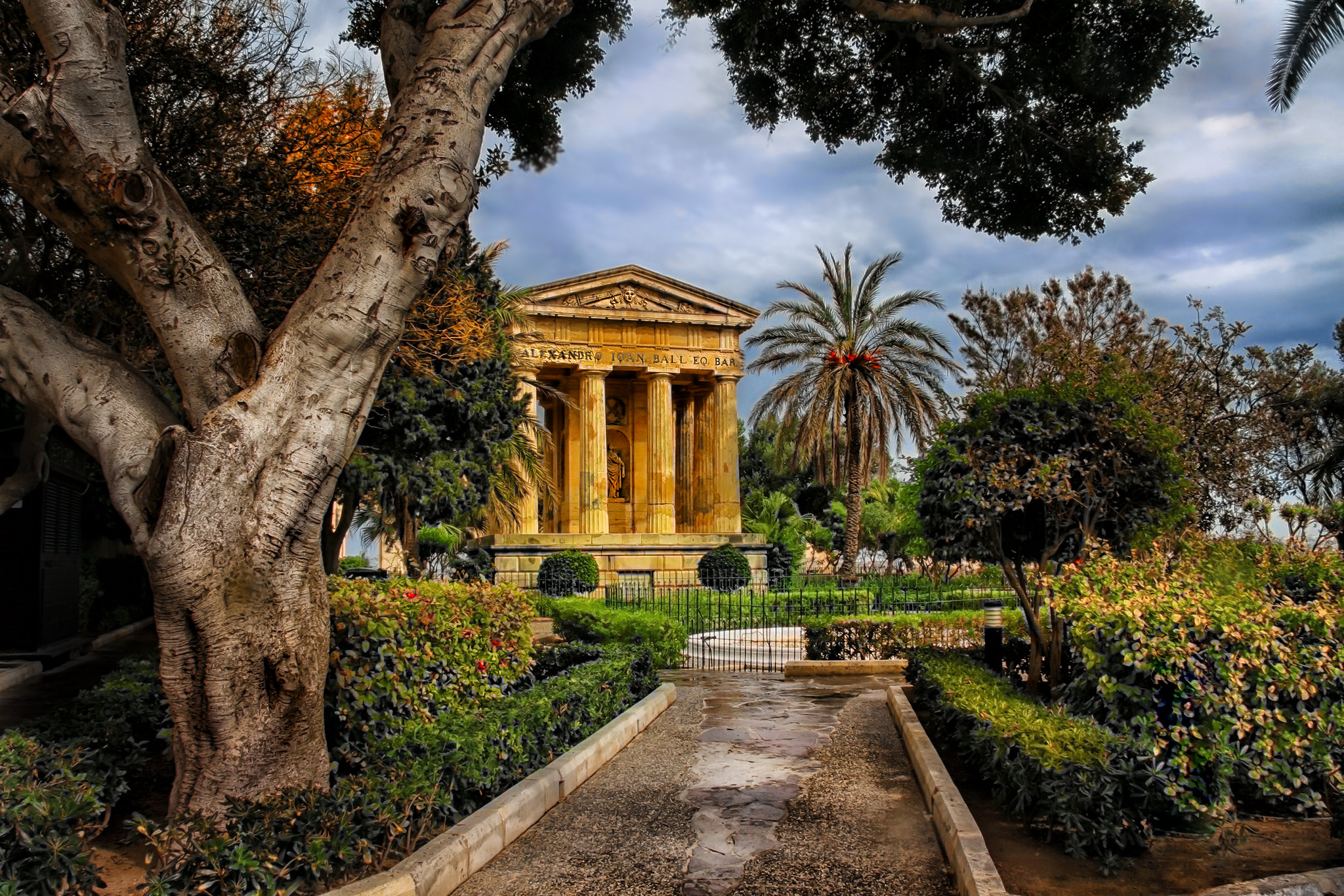
Grand Master’s Palace: Continue the story of the Order through its historic state setting and collections. Check separate admission and open areas with Heritage Malta.
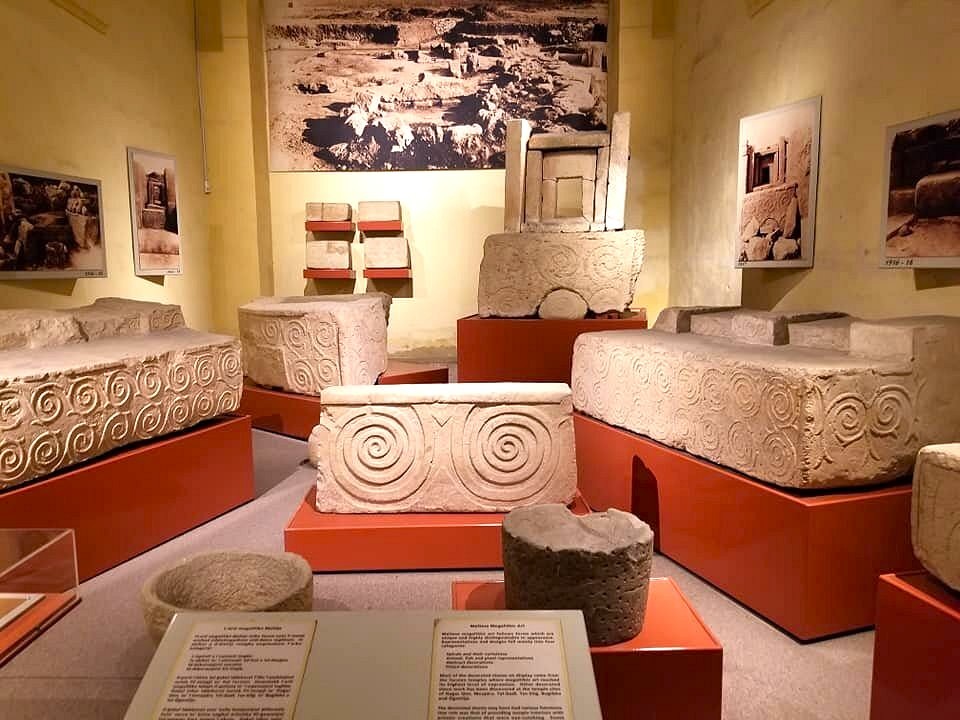
National Museum of Archaeology: Add a different period of Maltese history through prehistoric artifacts.
MUŻA: A worthwhile additional stop for visitors interested in art.
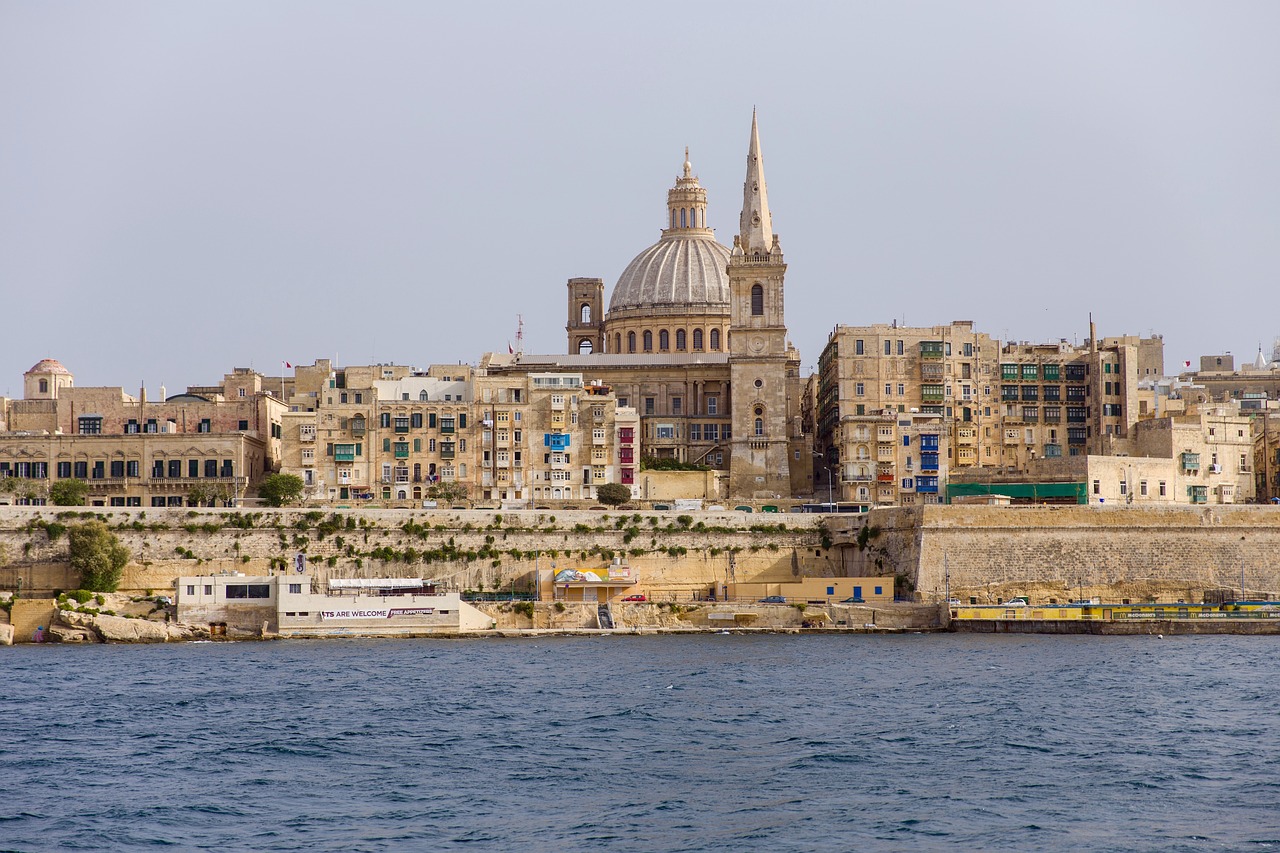
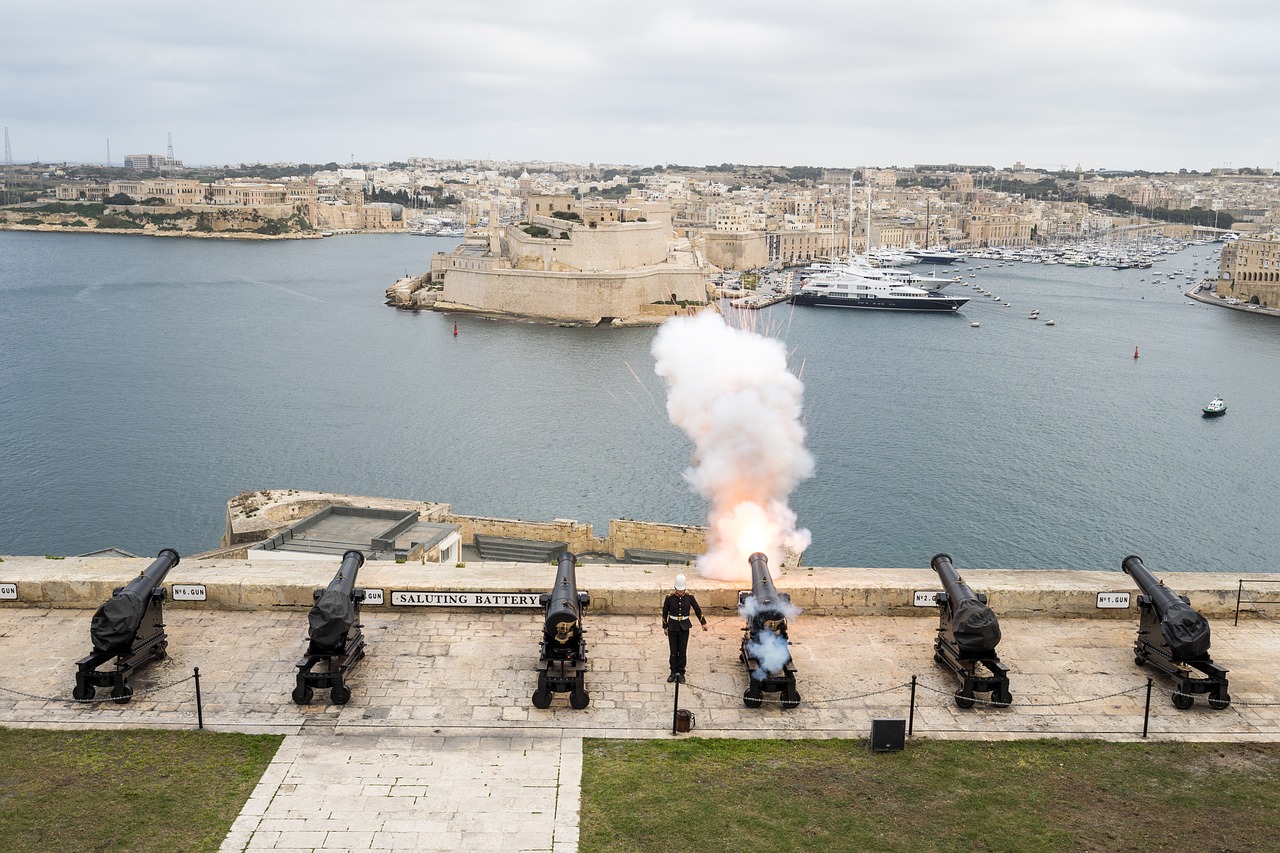
Upper Barrakka Gardens: Finish with views over the Grand Harbour.
Republic Street and St. George’s Square: Enjoy a relaxed city walk and a café break between cultural visits.
A Suggested Valletta Sightseeing Day
Morning: Begin at St. John’s, allowing time for the audio guide and the artwork available on your date.
Midday: Pause for lunch before choosing one additional museum or the Grand Master’s Palace.
Afternoon: Walk toward Upper Barrakka Gardens and enjoy the harbor outlook. Keep the final part of the day flexible rather than trying to fit every museum into one visit.
St. John’s Co-Cathedral rewards attention: give yourself time to look upward, study the floor, and appreciate the individual works that make this one of Valletta’s defining landmarks.
What would you most like to see: Caravaggio’s paintings, the Baroque vault, or the marble tombstones? Share your thoughts in the comments below!
Have you visited this place before? Share and rate your experiences!
We'd love to hear your ratings and opinions in the comments below. Your feedback will help others too.
Average rating / 5. Vote count:
No votes so far! Be the first to rate this place.
As you found this post useful...
Follow us on social media!
We're sorry to hear that your experience wasn't great
Allow location access and we'll show you tours,
attractions and activities nearby.
◎
Discover what's around you
Use your current location to find the closest
Kenzly experiences.
Nearby experiences
Manage Consent
To provide the best experiences, we use technologies like cookies to store and/or access device information. Consenting to these technologies will allow us to process data such as browsing behavior or unique IDs on this site. Not consenting or withdrawing consent, may adversely affect certain features and functions.
Functional
Always active
The technical storage or access is strictly necessary for the legitimate purpose of enabling the use of a specific service explicitly requested by the subscriber or user, or for the sole purpose of carrying out the transmission of a communication over an electronic communications network.
Preferences
The technical storage or access is necessary for the legitimate purpose of storing preferences that are not requested by the subscriber or user.
Statistics
The technical storage or access that is used exclusively for statistical purposes.The technical storage or access that is used exclusively for anonymous statistical purposes. Without a subpoena, voluntary compliance on the part of your Internet Service Provider, or additional records from a third party, information stored or retrieved for this purpose alone cannot usually be used to identify you.
Marketing
The technical storage or access is required to create user profiles to send advertising, or to track the user on a website or across several websites for similar marketing purposes.















0 Comment