


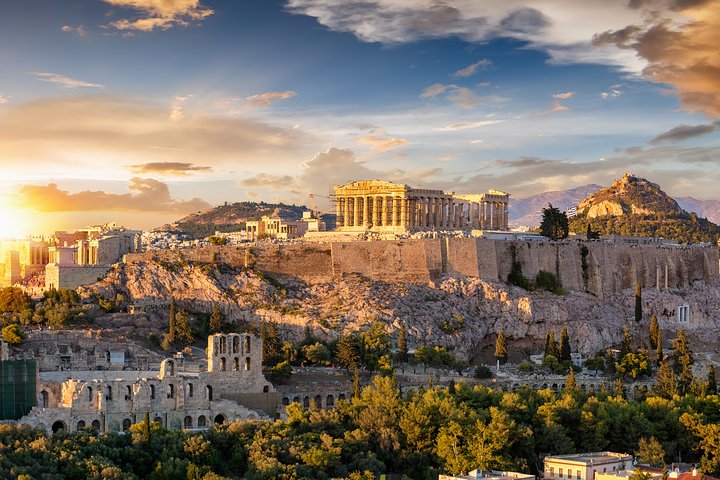
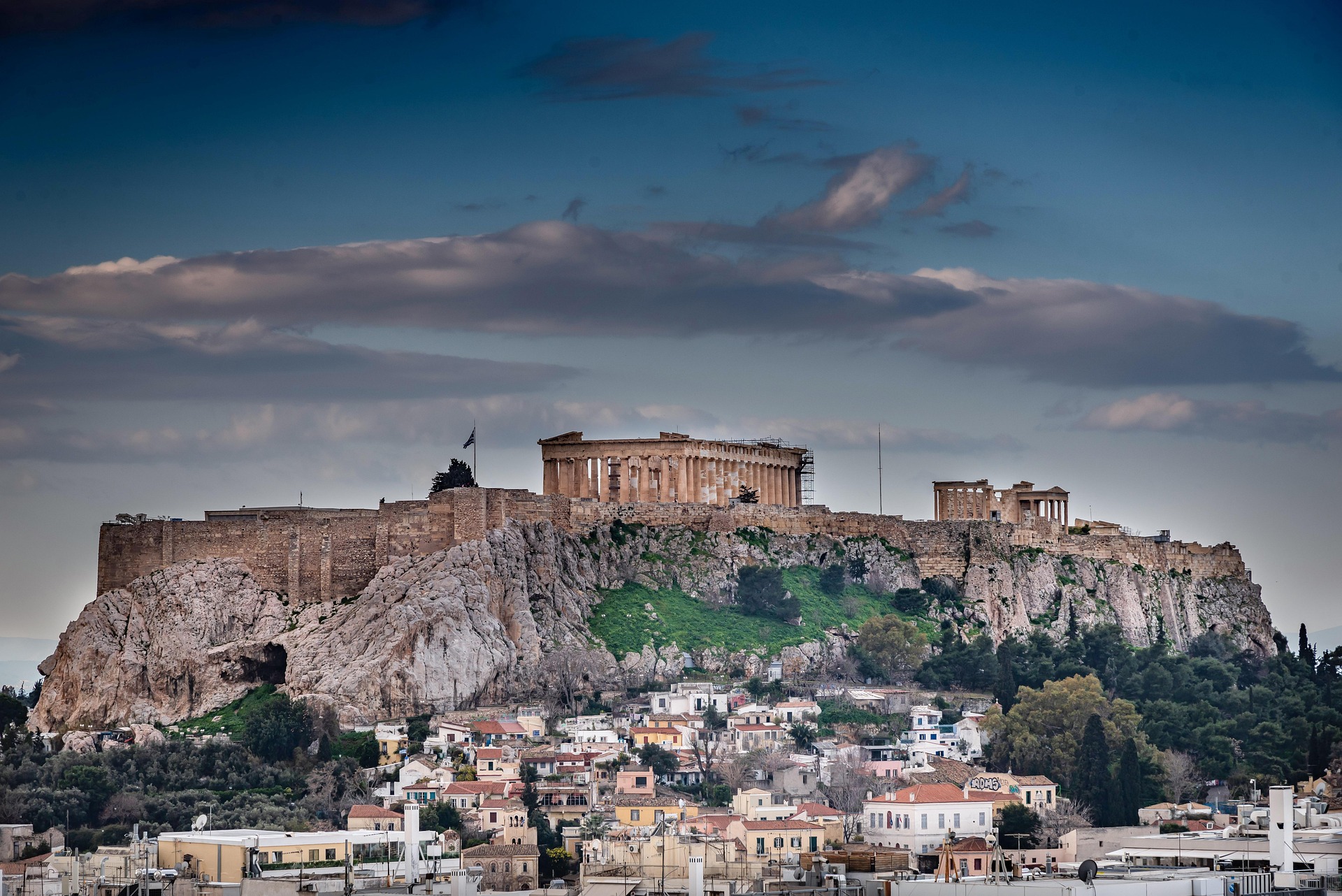
The Acropolis of Athens brings some of ancient Greece’s best-known monuments together on a rocky hill above the modern city. The Parthenon, Erechtheion, Propylaea, and Temple of Athena Nike reward both a first impression and a closer look at their architectural details.
Experiences You May Like
This UNESCO World Heritage Site is an essential introduction to Athens, but it benefits from planning: choose a timed entry, allow for the climb, and leave room for the separately ticketed Acropolis Museum below.
Highlights of the Acropolis
- The Parthenon: Study the proportions and sculptural setting of Athens’ most recognizable temple.
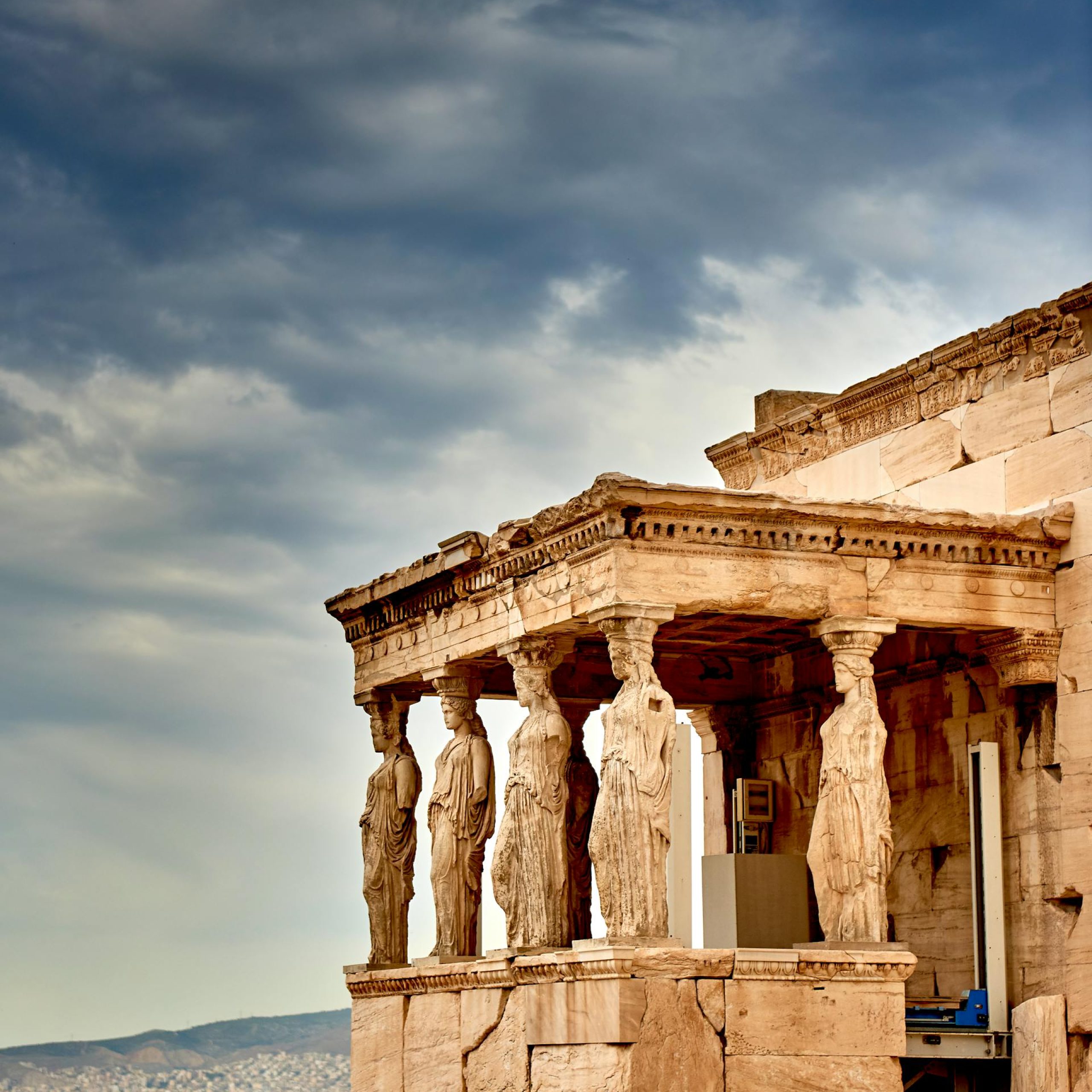
- The Erechtheion: Discover a building shaped by different cults and an uneven site.
- The Propylaea: Approach the plateau through its monumental western gateway.
- Athena Nike: Look for the small Ionic temple beside the entrance area.
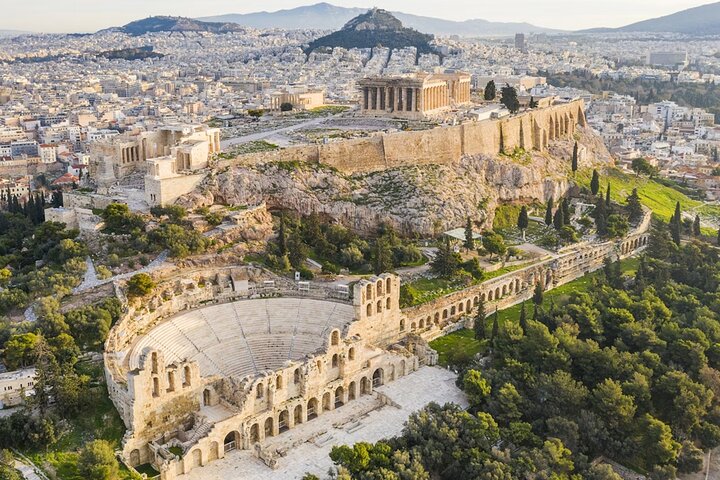
- The city below: Connect the sanctuary with the surrounding urban landscape.
A Brief History of the Acropolis
“Acropolis” refers to an upper city or citadel. The Athenian hill had a long history before the famous Classical monuments were built, including settlement, fortification, and religious use.
More Experiences to Explore



The major surviving temples and gateway largely belong to the fifth-century BCE building program associated with Periclean Athens. They formed a sanctuary closely linked with Athena, the city’s patron goddess.
Later generations altered, reused, damaged, and interpreted the monuments in different ways. The Acropolis is therefore not a perfectly preserved snapshot of Classical Athens: its present appearance also reflects later history, excavation, and conservation.
Plan Your Next Adventure


Restoration work remains part of the site’s story. Scaffolding or restricted areas may affect particular views, but they also represent the work required to care for ancient structures.
Architectural Highlights
The Parthenon
Dedicated to Athena Parthenos, the Parthenon was designed by Ictinus and Callicrates, with its sculptural program overseen by Phidias. Its predominantly Doric architecture incorporates refinements that become more interesting with careful observation.
Compare the overall building with individual columns and the surviving architectural elements. The statue of Athena once housed inside is no longer present, and many original sculptures are now in museums.
The Erechtheion and the Caryatids
The Erechtheion accommodated several sacred traditions and responds to the uneven terrain with a more complex form than a simple rectangular temple.
Its famous Caryatid porch uses female figures as supports. The six figures on the monument today are copies: five originals are in the Acropolis Museum and one is in the British Museum. Seeing the porch and the museum displays together provides valuable context.
The Propylaea
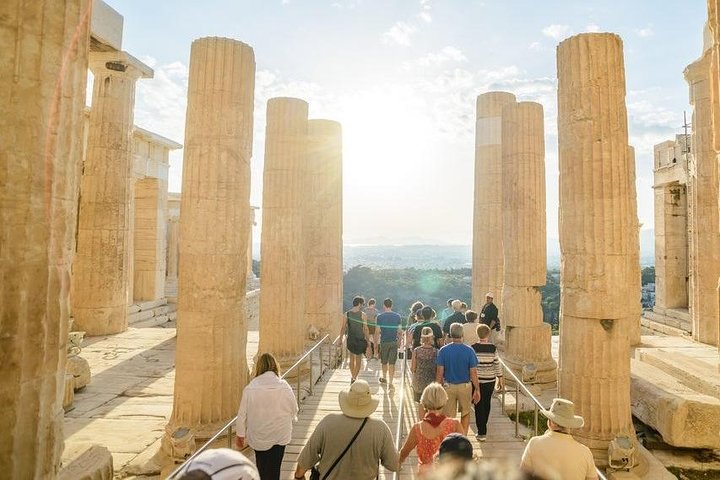
The monumental entrance marks the transition onto the sanctuary plateau. Notice how the gateway organizes the approach and reveals the space beyond it.
It can also be a busy circulation point. Observe from permitted stopping places and keep the passage clear for other visitors.
The Temple of Athena Nike
This compact Ionic temple occupies a prominent position beside the western approach. Its smaller scale offers a useful contrast with the Parthenon and the gateway.
Look at how its location contributes to the entrance sequence, rather than judging it only by size.
The South Slope and Its Theatres
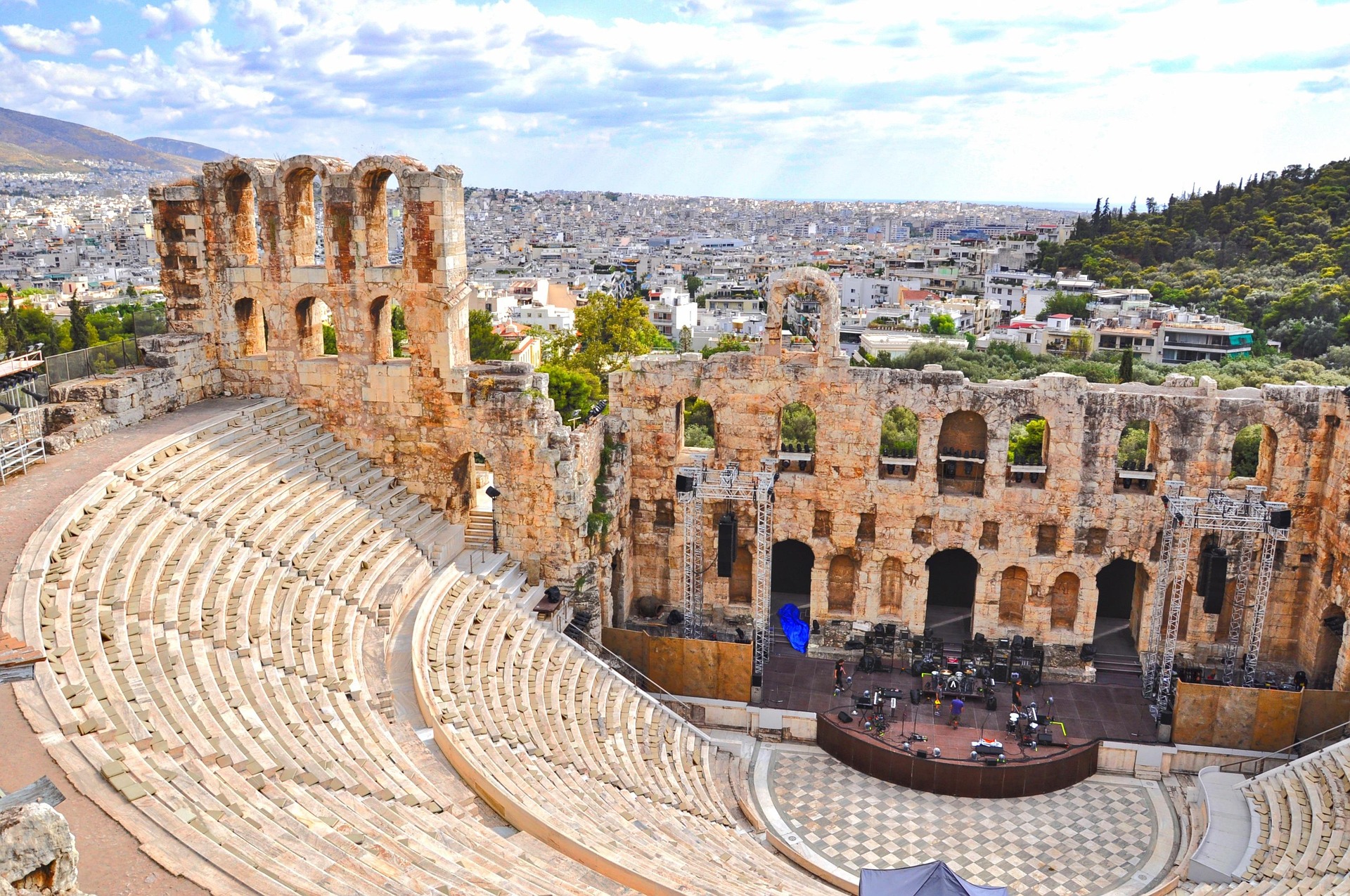
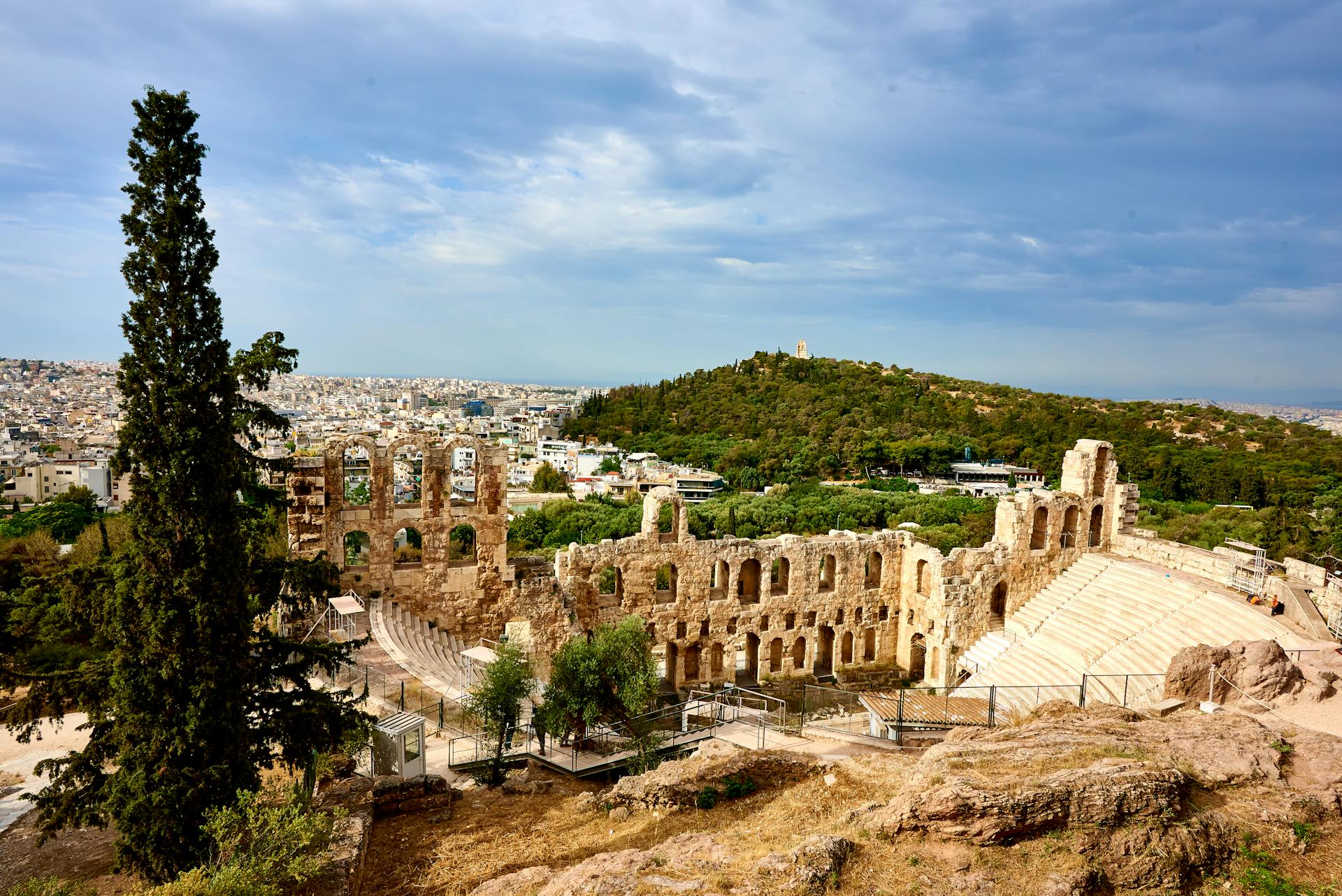
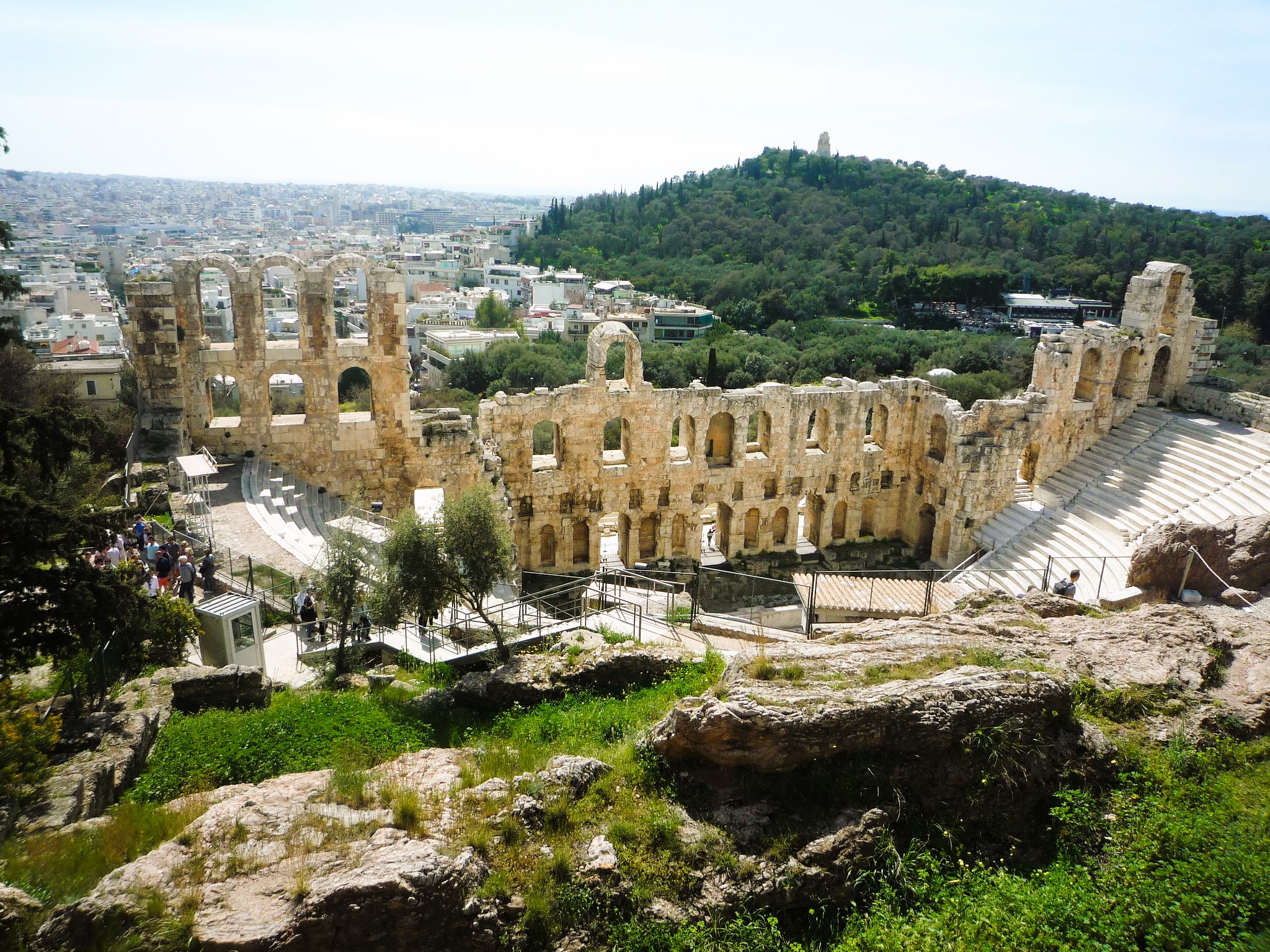
The slopes add another dimension to the visit, including the Theatre of Dionysus and views toward the Roman-period Odeon of Herodes Atticus. These are distinct monuments from the temples on the summit.
Performance programs, restoration, and visitor access at the Odeon have separate arrangements. Do not assume that an Acropolis admission ticket provides entry to its auditorium or a scheduled event.
Plan Your Visit to the Acropolis of Athens
- Location: Acropolis archaeological site and slopes, central Athens, Greece. Choose the appropriate entrance for your booked route or tour meeting point.
- Published full admission: €30; reduced admission €15 for eligible categories. Check documentation and free-entry eligibility before purchase.
- Official booking: Reserve the Acropolis and Slopes through Hellenic Heritage tickets and follow the entry slot printed on your ticket.
- April–August hours: Published opening is 8:00 AM–8:00 PM.
- September–October: Closing becomes progressively earlier; check the precise date in the official calendar.
- November–March hours: Published opening is 8:00 AM–5:00 PM.
- Regular closure dates: 1 January, 25 March, 1 May, Easter Sunday, and 25–26 December.
- Official visitor information: Consult the Hellenic Heritage Acropolis page for schedules and announcements.
- Suggested time: Allow around 2–3 hours for the site and slopes as a planning estimate, with additional time for the Museum.
Last admission is before closing. Arrive according to your ticket instructions rather than relying on the final entry time, particularly when you want a leisurely circuit. Extreme heat, weather, or operational changes may affect access.
Tickets and Tours: Check the Inclusions
An archaeological-site ticket and an Acropolis Museum ticket are different products. Other Athens archaeological sites also have their own arrangements; do not assume an older multi-site combination ticket is still available.
The linked Acropolis and Acropolis Museum tour is a commercial package. Check both admissions, guiding, entry times, and meeting instructions before booking online.
A separate Acropolis guided walking tour may suit visitors who want historical interpretation at the site. Read its current description rather than assuming all entry fees are included.
Booking an entry ticket in advance can avoid purchasing at the counter, but does not remove security checks, entry controls, or crowding on the approach.
What to Expect on the Hill
The visit includes an ascent, exposed areas, steps, and stone surfaces that can be slippery even when dry. Wear shoes with grip and pay attention while moving between viewpoints.
Shade is limited on the plateau. Plan for sun exposure and carry water, while checking current restrictions on items brought into the site.
Take breaks before you feel rushed or tired. A smaller number of attentive stops can be more rewarding than hurrying to every viewpoint.
Getting There
Akropoli station on Metro Line 2 provides a useful approach from the south. Monastiraki station offers another route through the historic center, with additional walking toward the western entrance.
Confirm the entrance before traveling, especially if joining a guided tour. A meeting point beside the Museum or south slope is not interchangeable with the main western gate.
Accessibility and the Lift
An accessibility lift and designated routes serve eligible visitors with mobility needs. Its operation can be affected by technical problems or weather, so confirm availability shortly before arrival.
Ask the site team about the appropriate approach, assistance, and the portions of the route suited to your needs. Do not rely solely on a general statement that the Acropolis is accessible.
The Acropolis Museum and Nearby Attractions
The Acropolis Museum provides a separate, detailed encounter with original sculpture and finds. Its displays help explain decoration that is missing or represented by copies on the hill.
Distances below are approximate walking distances from the south-slope entrance area, not from the Parthenon itself.
- Acropolis Museum — around 200–300 meters: Reserve a separate visiting allowance and check Museum hours and tickets.
- Plaka — around 500–800 meters: Continue into the old neighborhood for a walk or meal.
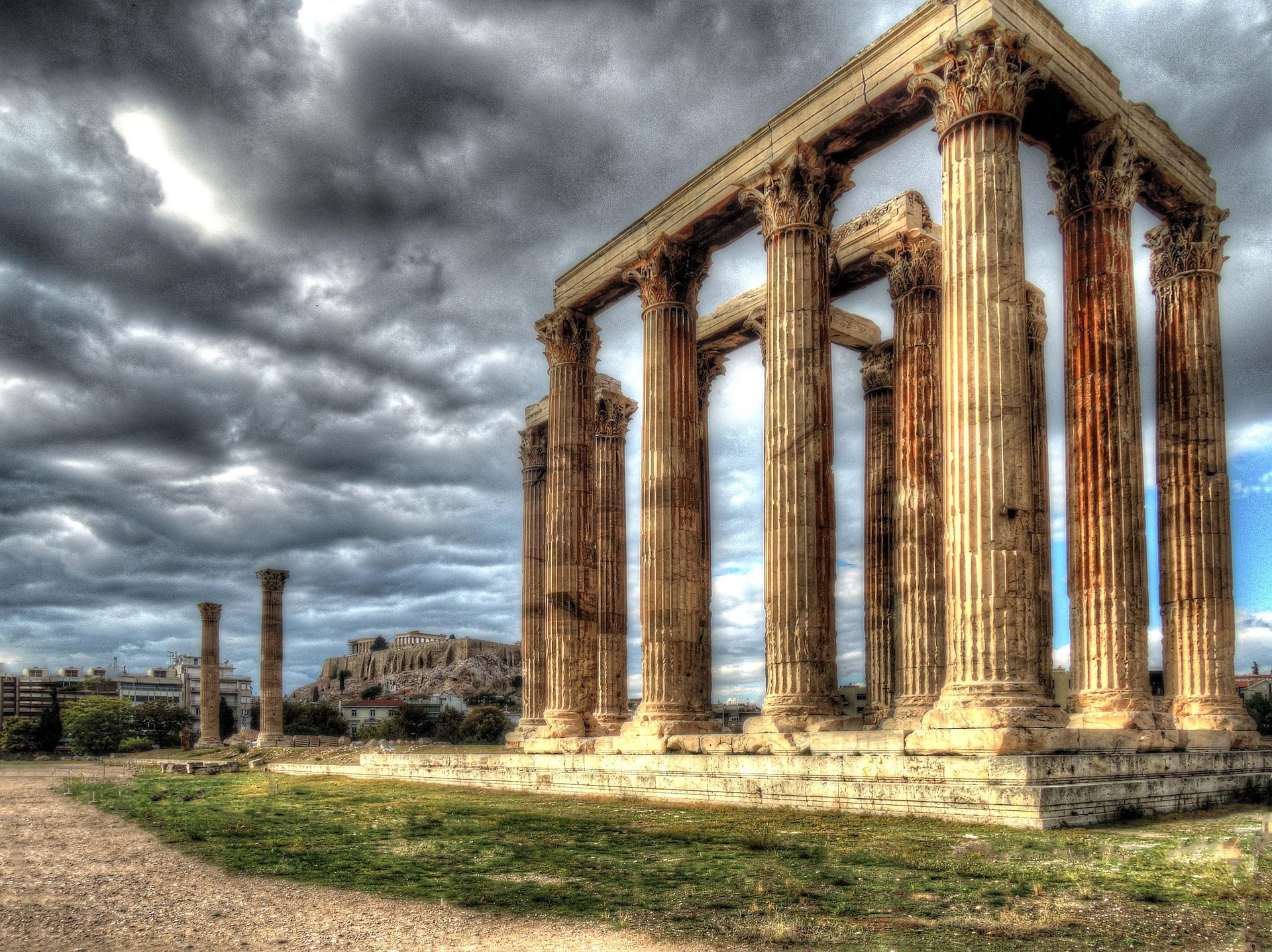
- Temple of Olympian Zeus area — around 700–900 meters: A separate archaeological stop with its own access conditions.
- Ancient Agora — around 1–1.5 km: Add substantial time for another major historic site.
Practical Tips for Your Visit
- Choose a suitable entry time: Early or later slots may be more comfortable in hot weather, subject to seasonal closing.
- Keep your ticket available: Save the booking and any concession documents where you can access them easily.
- Respect barriers: Do not climb monuments, touch fragile surfaces, or remove stones.
- Photograph considerately: Follow posted equipment rules and leave paths clear.
- Check alerts: Confirm heat-related restrictions and lift status before leaving your accommodation.
- Allow recovery time: Avoid scheduling another demanding walk immediately afterward.
Why You Should Visit the Acropolis
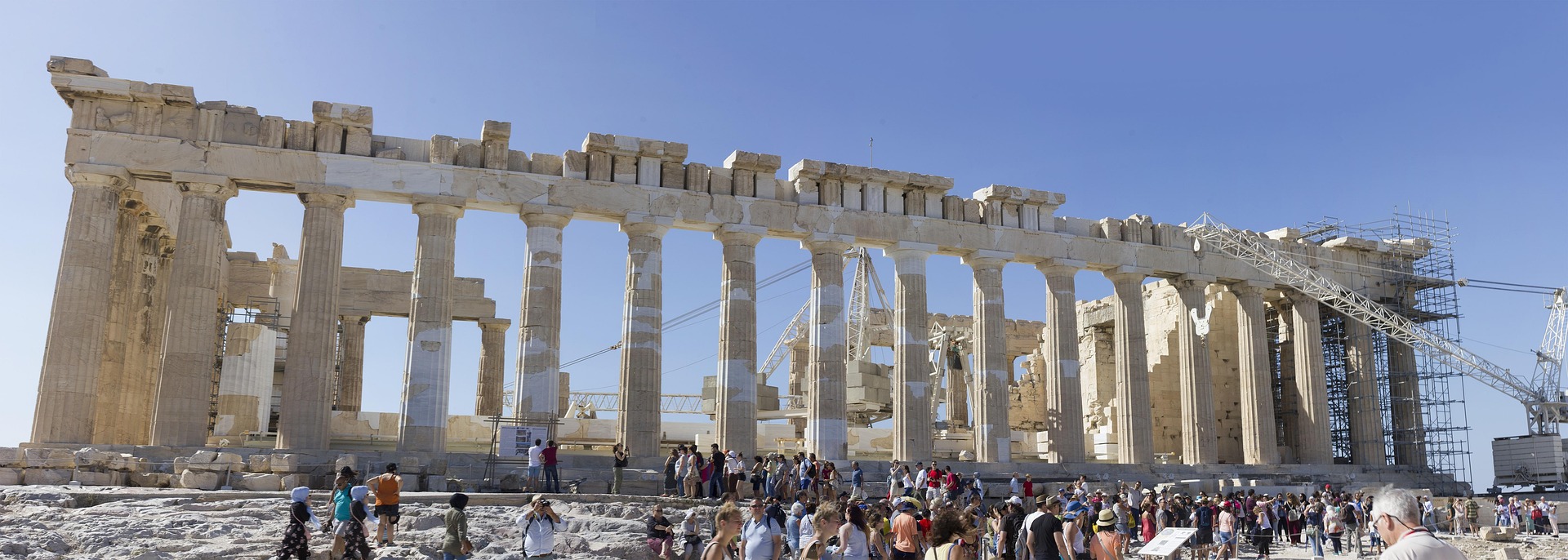
- Explore major Classical monuments: Compare buildings designed for different roles within the sanctuary.
- See architecture in context: Understand how the hill and city relate to one another.
- Consider a long history: Look beyond the fifth century to later uses and modern conservation.
- Connect site and museum: Combine the architectural setting with original works displayed below.
A Closer Look at Ancient Athens
The Acropolis is most rewarding when approached as a place to observe and learn, rather than a single photograph to collect. Its buildings reveal differences in form, purpose, and survival that become clearer with time.
Plan your entry, prepare for the terrain, and give the monuments your attention. Together with the Museum and surrounding historic neighborhoods, they provide a memorable introduction to Athens.
Have you visited the Acropolis? Share your thoughts and experiences in the comments below!


0 Comment