The Vienna State Opera (Wiener Staatsoper) is one of the defining cultural landmarks of Vienna, Austria. Its Ringstrasse setting, historic interiors and international opera and ballet programme make it rewarding both as a performance venue and as an architectural attraction.
You do not need to be an opera expert to enjoy a visit. Choose a production that interests you, explore the building on a guided tour, or combine both experiences to understand how this working theatre brings music and drama to the stage.
Highlights of the Vienna State Opera
Live opera and ballet: Experience singers, dancers and musicians in a celebrated repertory house.
Historic architecture: Admire the grand staircase, ceremonial rooms and richly decorated façade.
Guided visits: Choose between a standard architectural tour and a separately ticketed backstage experience.
Affordable options: Consider standing-room tickets if you are comfortable standing through a performance.
Central location: Combine the opera house with nearby museums, gardens and the historic centre.
History: From Imperial Opera House to Modern Institution
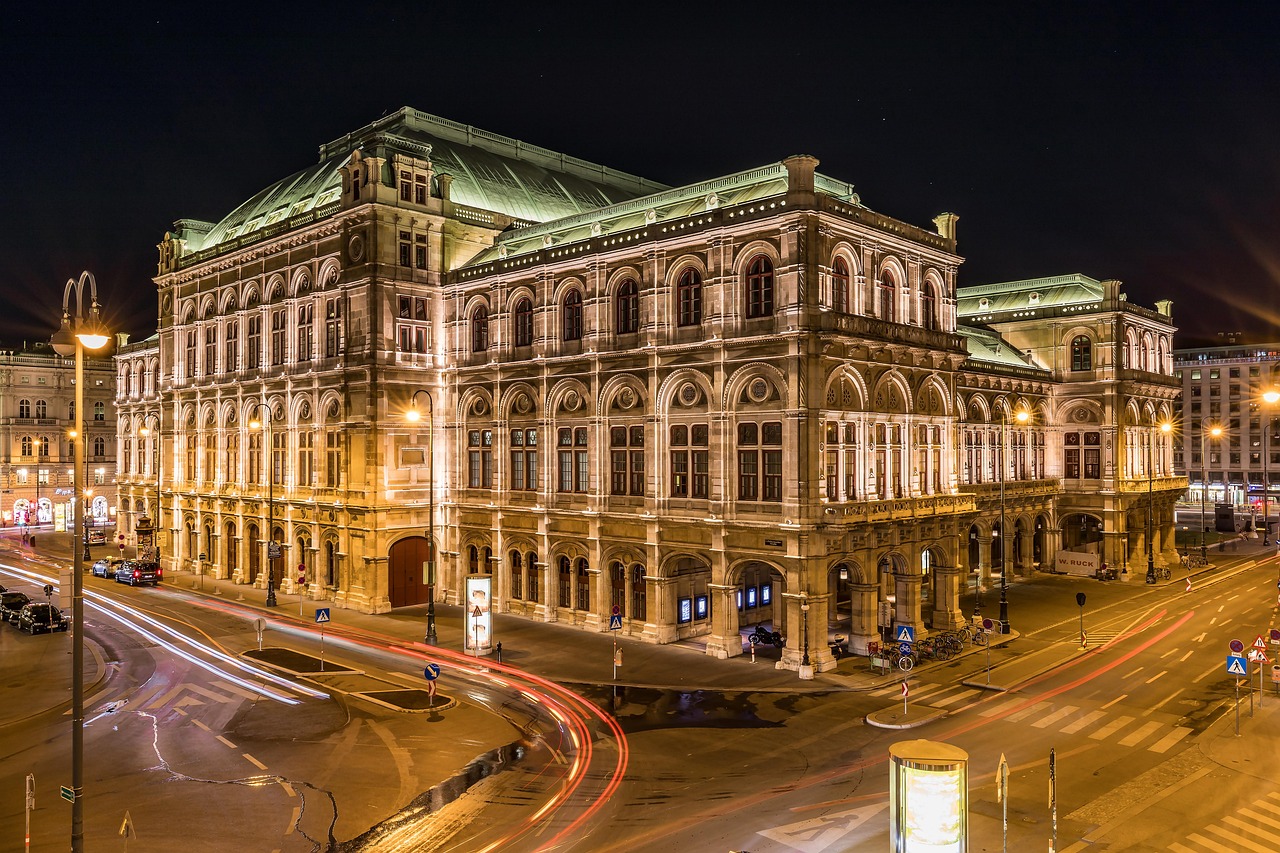
The Vienna State Opera House
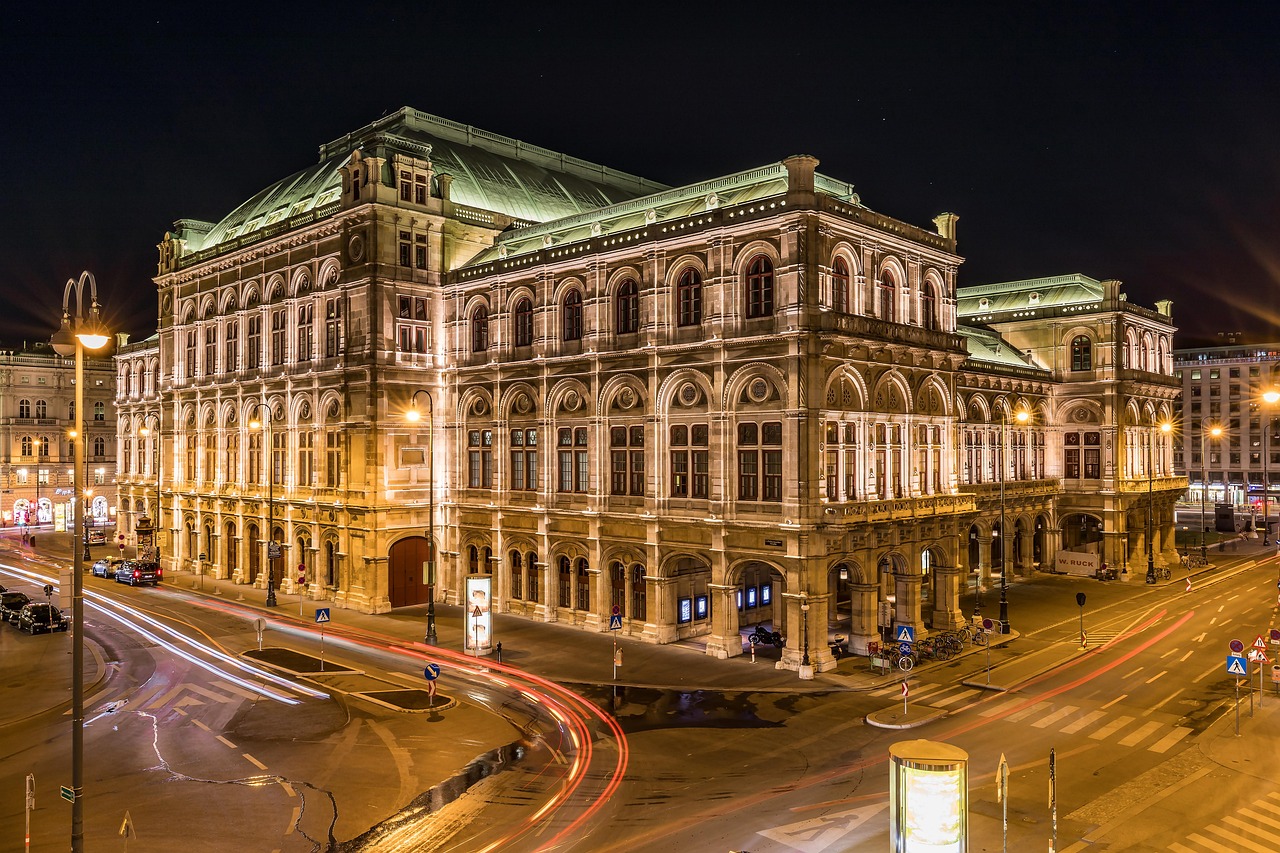
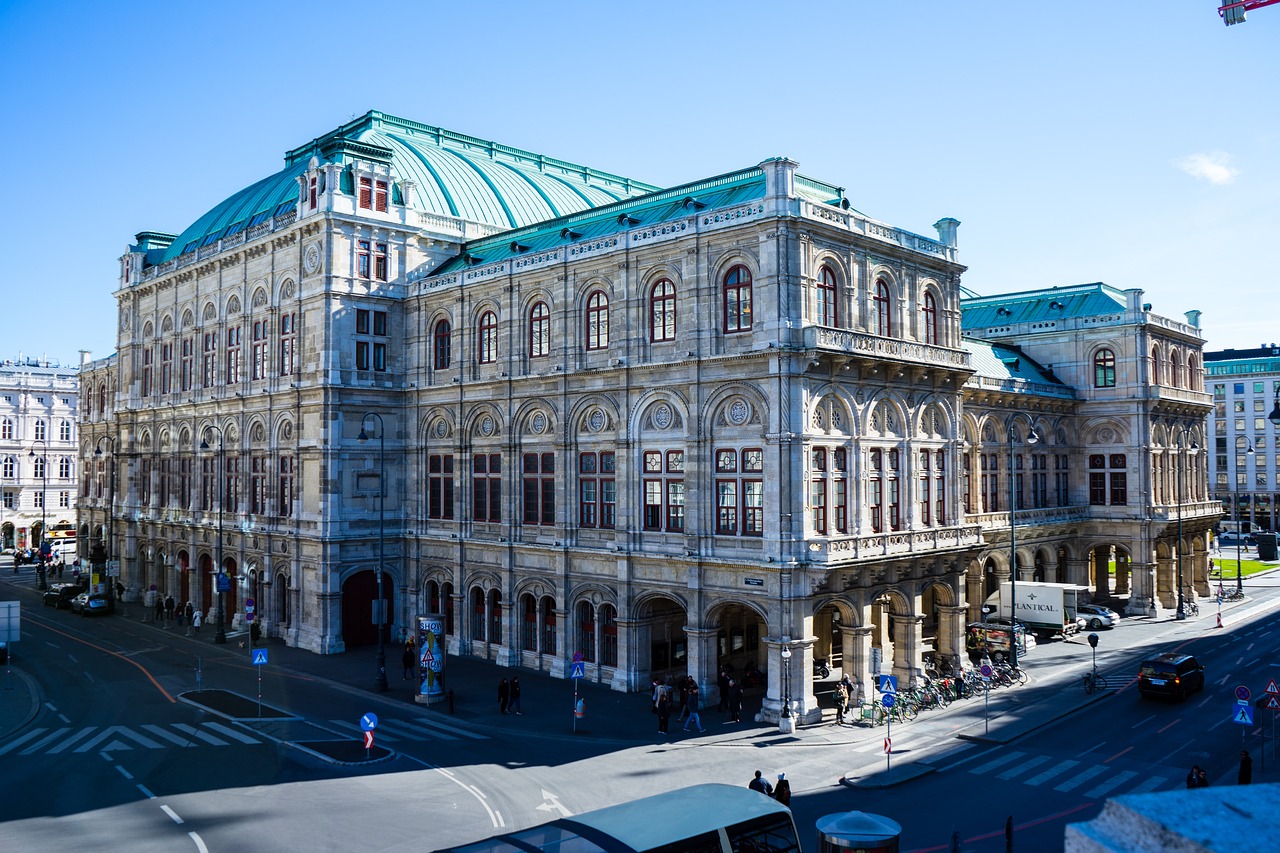
The opera house opened on 25 May 1869 with Mozart’s Don Giovanni. Designed by August Sicard von Sicardsburg and Eduard van der Nüll, it formed part of the monumental building programme along Vienna’s Ringstrasse.
Its history includes artistic innovation as well as painful chapters of persecution and exclusion under National Socialism. Bombing in 1945 devastated much of the building. Following reconstruction, it reopened on 5 November 1955 with Beethoven’s Fidelio.
The surviving historic spaces and rebuilt auditorium reflect this layered history. A visit reveals both an imperial landmark and a theatre continually adapted to the demands of live performance.
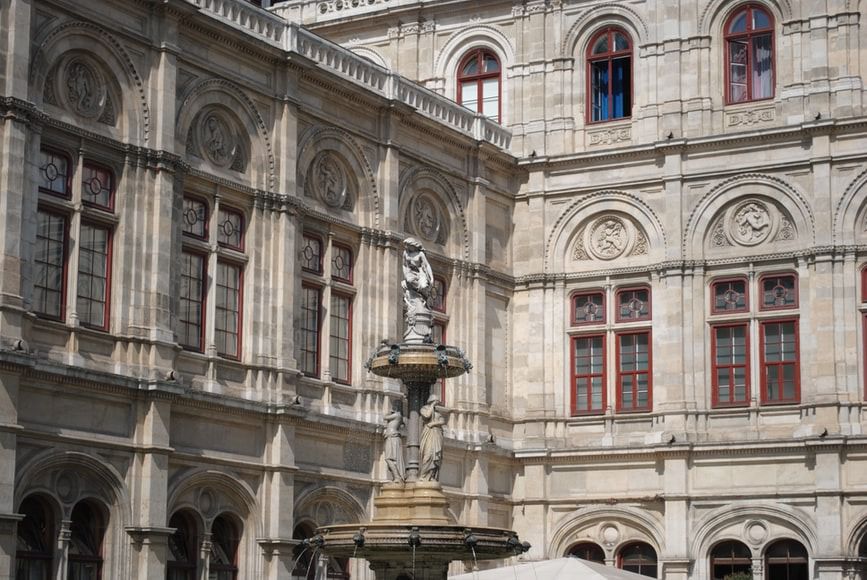
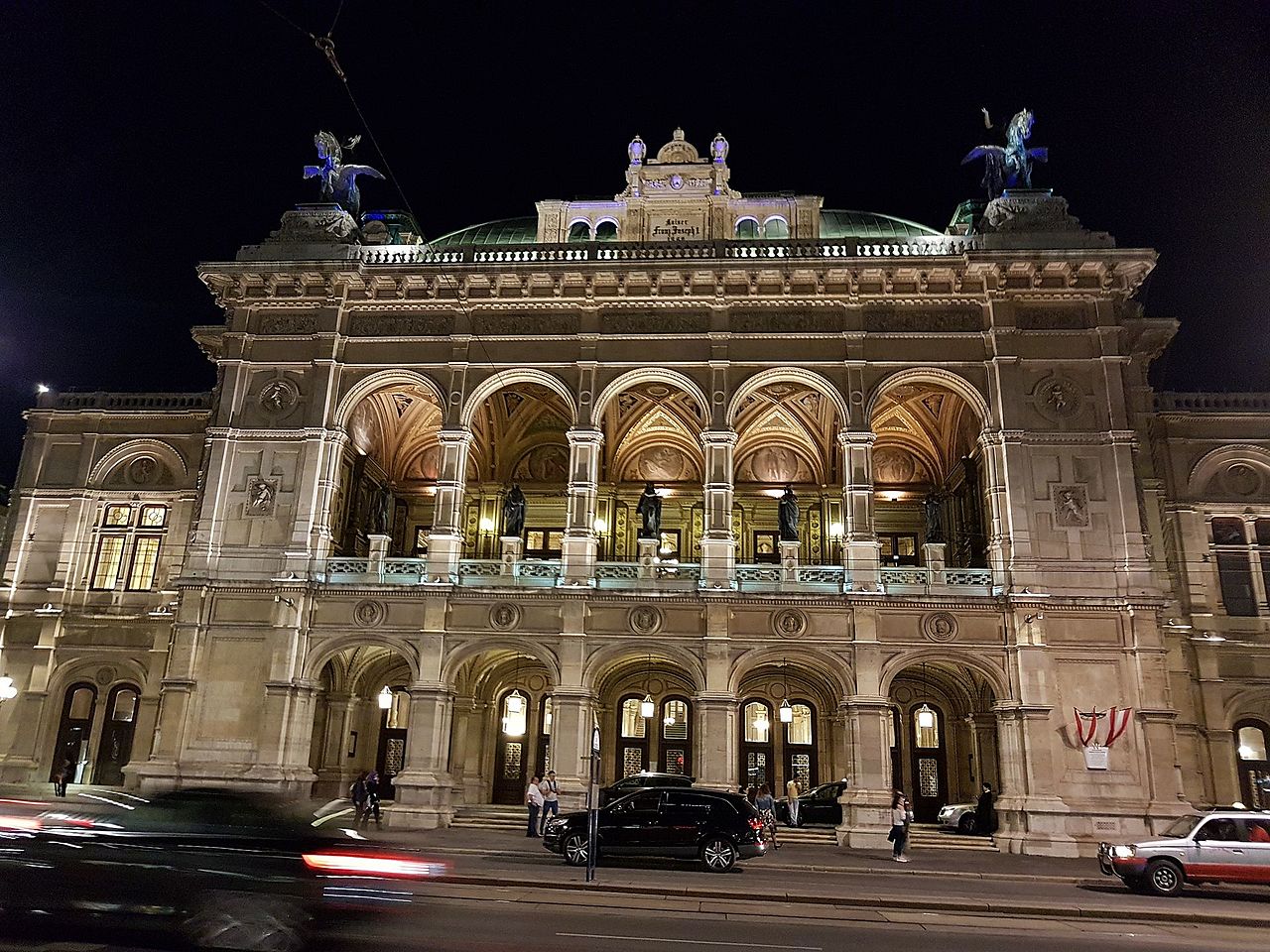
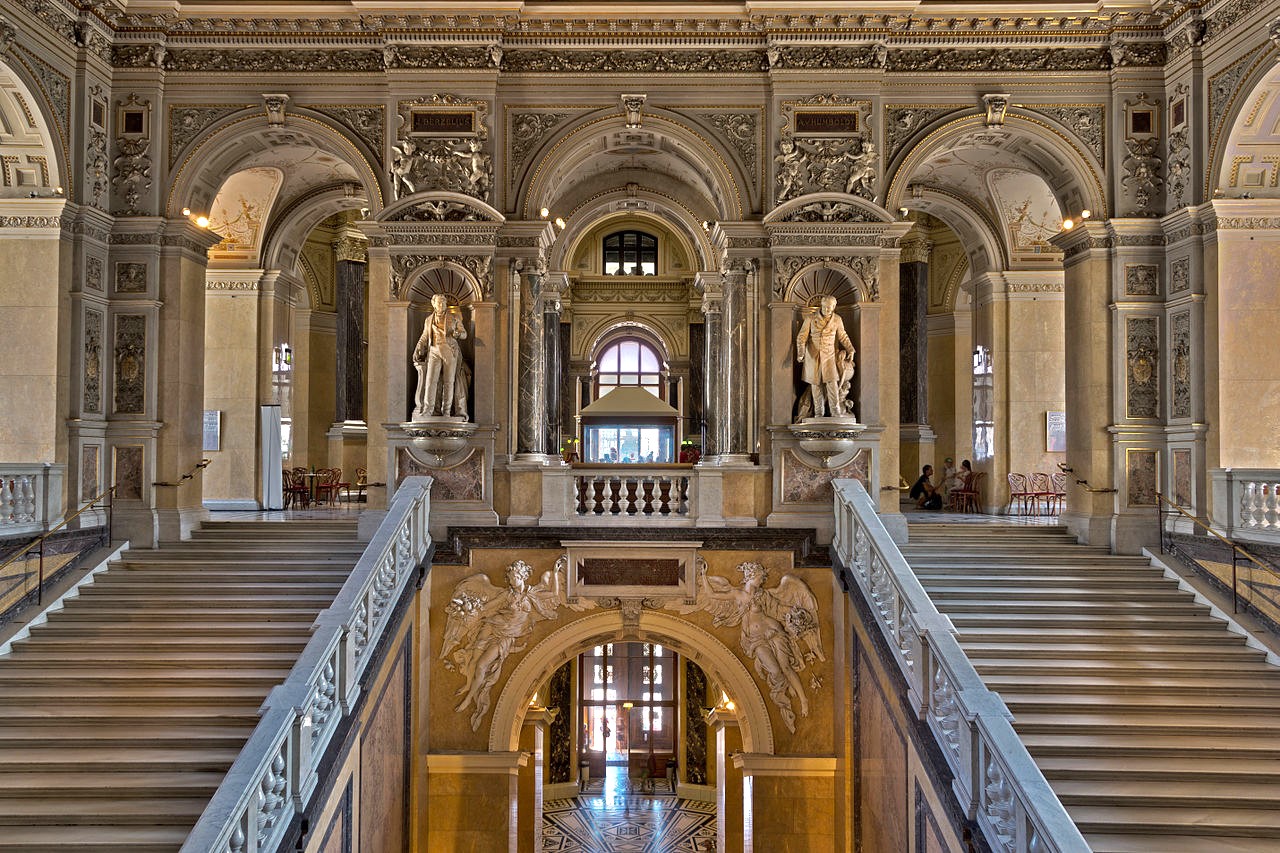
The building’s arches, sculpture and Renaissance-inspired design establish its monumental presence on the Ring. Inside, the grand staircase is a highlight, offering a sense of the ceremonial arrival intended for the original audience.
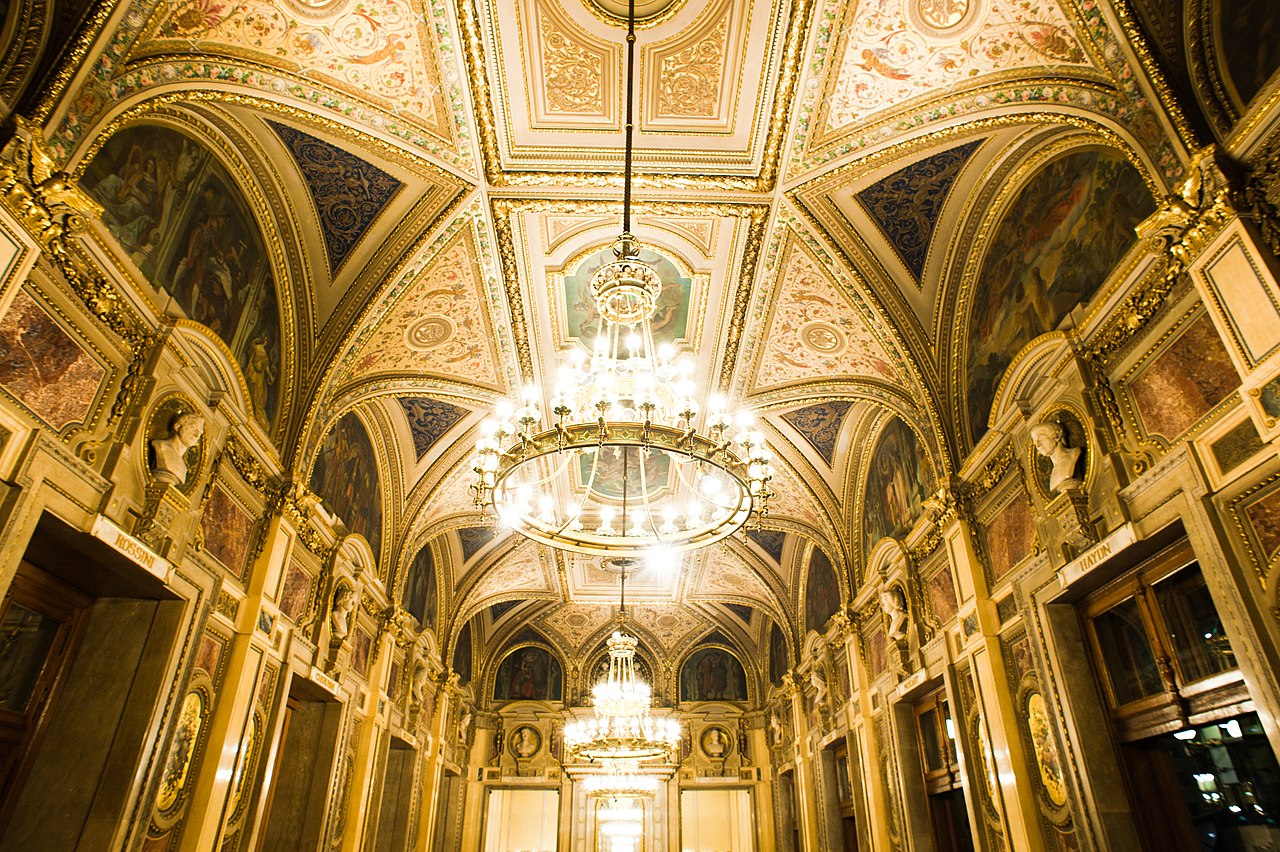
The State Rooms
The decorated reception spaces, including the Schwindfoyer, reveal the connection between architecture, painting and opera. Their artistic details are easier to appreciate on a guided visit than during a hurried interval.
The Auditorium
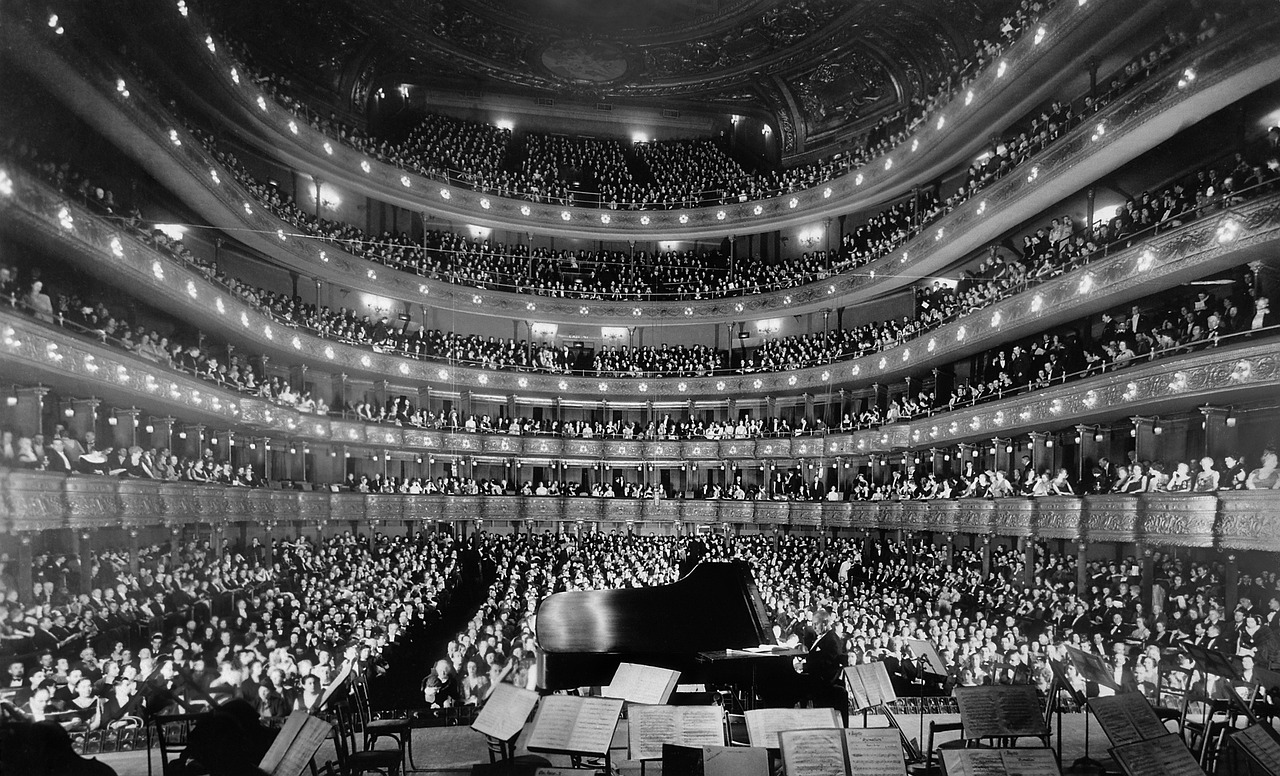
The auditorium is best experienced with a performance underway, when the orchestra, voices and stage production come together. Visibility varies by seat: some cheaper places offer restricted views or are intended primarily for listening. Study the seating plan before booking.
Choose Your Experience: Performance or Guided Tour
The Vienna State Opera House
Attend an Opera or Ballet
Choose from the official calendar rather than assuming that a particular famous work is performed every week. Read the production description, check the cast and running time, and decide whether opera or ballet best suits your interests. Concerts and special events should be checked individually.
A short plot summary can make a first opera visit more enjoyable. English subtitles are available through individual subtitle screens, helping visitors follow performances sung in other languages.
Take a Standard Guided Tour
The standard tour follows the public ceremonial spaces and introduces the building’s history, architecture and theatre operations. It is the appropriate choice if your priority is seeing the interiors without attending a performance.
Do not assume that a standard tour includes costume workshops, rehearsal rooms or extensive backstage access. Those experiences depend on the specific tour booked and the working theatre’s arrangements.
Book a Separate Backstage Tour
Selected backstage tours focus on production and technical areas. They differ from the standard tour and do not include the state rooms. This option suits visitors particularly interested in stagecraft, but advance booking and careful attention to physical-access requirements are essential.
The Vienna Opera Ball
The Vienna Opera Ball is a separate major event that transforms the theatre into a ballroom. Admission, reservations and formal clothing requirements differ from ordinary opera performances. Consult the current official event information rather than treating a standard performance ticket as access to the ball.
Plan Your Visit to the Vienna State Opera
Full address: Wiener Staatsoper, Opernring 2, 1010 Vienna, Austria.
Opening and visiting times: This is a working theatre, with access tied to scheduled tours and performances rather than a single all-day sightseeing timetable. Performance access generally begins one hour before the start. Confirm the date, start time and entrance on your ticket.
Performance duration: Check the selected production’s schedule, including intervals. Plan your dinner and return journey around its published end time.
Standard tour: Approximately 40 minutes. The current listed price is €18 for adults aged 27 and over; seniors and visitors under 27 pay €14, as do children aged six and over. Children under six enter free.
Backstage tour: Approximately 90 minutes on selected Sundays. Current listed prices are €48 for visitors aged 16 and over and €36 for children aged six to under 16.
Tour availability: Check the official guided-tour page for languages, dates, meeting points and current prices. Arrive at least 15 minutes before your tour.
Accessibility: The operator states that the standard tour is unsuitable for people with limited mobility and the backstage tour is not wheelchair accessible. Contact the house before booking to discuss suitable performance seating and access arrangements.
Performance Tickets and Standing Room
Seated ticket prices depend on the performance and location. Use the official ticket information and seating plan to compare price, sightline and availability. Special discounts have eligibility conditions and should not be assumed to apply to every visitor.
The opera’s first-time visitor guide currently lists ordinary standing-room prices of €13–€18, depending on the area. These tickets go on sale on the performance day, online from 10:00 AM and at the standing-room box office from 80 minutes before curtain, subject to availability. Standing room requires you to remain on your feet; choose a seated ticket if that would be uncomfortable.
The Mozart concert booking link is another experience to review carefully. Confirm the actual venue, date and programme before paying: a concert listing is not automatically a ticket to the State Opera’s regular opera or ballet season.
How to Get There
By underground: Karlsplatz station is served by U1, U2 and U4. Follow signs towards the opera and check the current journey planner for your route.
By tram or bus: Several services stop around Oper/Karlsplatz. Routes can change during construction, so consult the opera’s official transport page rather than relying on an old route list.
On foot or by taxi: The Ringstrasse location works well with central sightseeing. Taxi ranks and paid garages are available nearby; leave extra time for traffic before a performance.
Practical Tips for a Comfortable Evening
The Vienna State Opera House
Arrive 30–45 minutes early: Allow time for the cloakroom, finding your seat and exploring the public spaces.
Avoid late arrival: Latecomers cannot enter during a performance and may have to wait until an interval. Some programmes may offer no convenient opportunity to enter.
Dress neatly: Formal eveningwear is not required for an ordinary performance. Smart, comfortable clothing is a practical choice; beachwear and overly revealing casual clothing may lead to refusal of entry. The Opera Ball has separate formal requirements.
Use the cloakroom: Free cloakrooms are provided; coats and bulky bags should be deposited as instructed.
Keep phones silent and put away: Photography and filming are prohibited during the performance. Follow staff instructions about photography at other times, including any restrictions in particular seating areas.
Check your ticket category: A listening seat or restricted-view place can be good value, but it may not provide a clear view of the staging.
Choose appropriately for children: Consider the subject matter, duration and late finishing time. Ask the box office about suitable productions and youth-ticket conditions.
Dining and Shopping
Plan a proper meal before the performance if your chosen opera runs late. The house offers catering and interval refreshments, but do not assume that an interval provides time for a full restaurant dinner.
The opera foyer also has a café-bar, with access and hours distinct from auditorium admission. Confirm the current catering arrangements before planning around it. Programmes and opera-related souvenirs are available through the house’s retail arrangements; ask staff where to find the shop during your visit.
Nearby Attractions
Combine a tour with central sightseeing, then leave an unhurried break before an evening performance. These nearby places offer different ways to extend your visit; check separate admission arrangements and opening times.
Albertina: Explore art exhibitions in the museum near the opera house.
Burggarten: Enjoy a garden break and look for the Mozart monument.
Hofburg: Continue your imperial-history itinerary through the palace area and its individual museums.
Karlskirche and Karlsplatz: Discover another major architectural setting close to the opera’s transport hub.
Kärntner Strasse and St. Stephen’s Cathedral: Follow the central shopping street towards the historic cathedral district.
Why You Should Visit the Vienna State Opera
The Vienna State Opera House
The Vienna State Opera offers a direct connection to the city’s musical life. A performance lets you experience the building as a living theatre, while a tour provides time to understand its architecture, history and daily operations.
For first-time visitors, the combination of an accessible introduction, carefully chosen tickets and a little preparation can turn an unfamiliar art form into a memorable evening. For dedicated opera and ballet lovers, the programme offers a compelling reason to return to Vienna.
Have you visited this place before? Share and rate your experiences!
We'd love to hear your ratings and opinions in the comments below. Your feedback will help others too.
Average rating / 5. Vote count:
No votes so far! Be the first to rate this place.
As you found this post useful...
Follow us on social media!
We're sorry to hear that your experience wasn't great
Allow location access and we'll show you tours,
attractions and activities nearby.
◎
Discover what's around you
Use your current location to find the closest
Kenzly experiences.
Nearby experiences
Manage Consent
To provide the best experiences, we use technologies like cookies to store and/or access device information. Consenting to these technologies will allow us to process data such as browsing behavior or unique IDs on this site. Not consenting or withdrawing consent, may adversely affect certain features and functions.
Functional
Always active
The technical storage or access is strictly necessary for the legitimate purpose of enabling the use of a specific service explicitly requested by the subscriber or user, or for the sole purpose of carrying out the transmission of a communication over an electronic communications network.
Preferences
The technical storage or access is necessary for the legitimate purpose of storing preferences that are not requested by the subscriber or user.
Statistics
The technical storage or access that is used exclusively for statistical purposes.The technical storage or access that is used exclusively for anonymous statistical purposes. Without a subpoena, voluntary compliance on the part of your Internet Service Provider, or additional records from a third party, information stored or retrieved for this purpose alone cannot usually be used to identify you.
Marketing
The technical storage or access is required to create user profiles to send advertising, or to track the user on a website or across several websites for similar marketing purposes.






0 Comment