

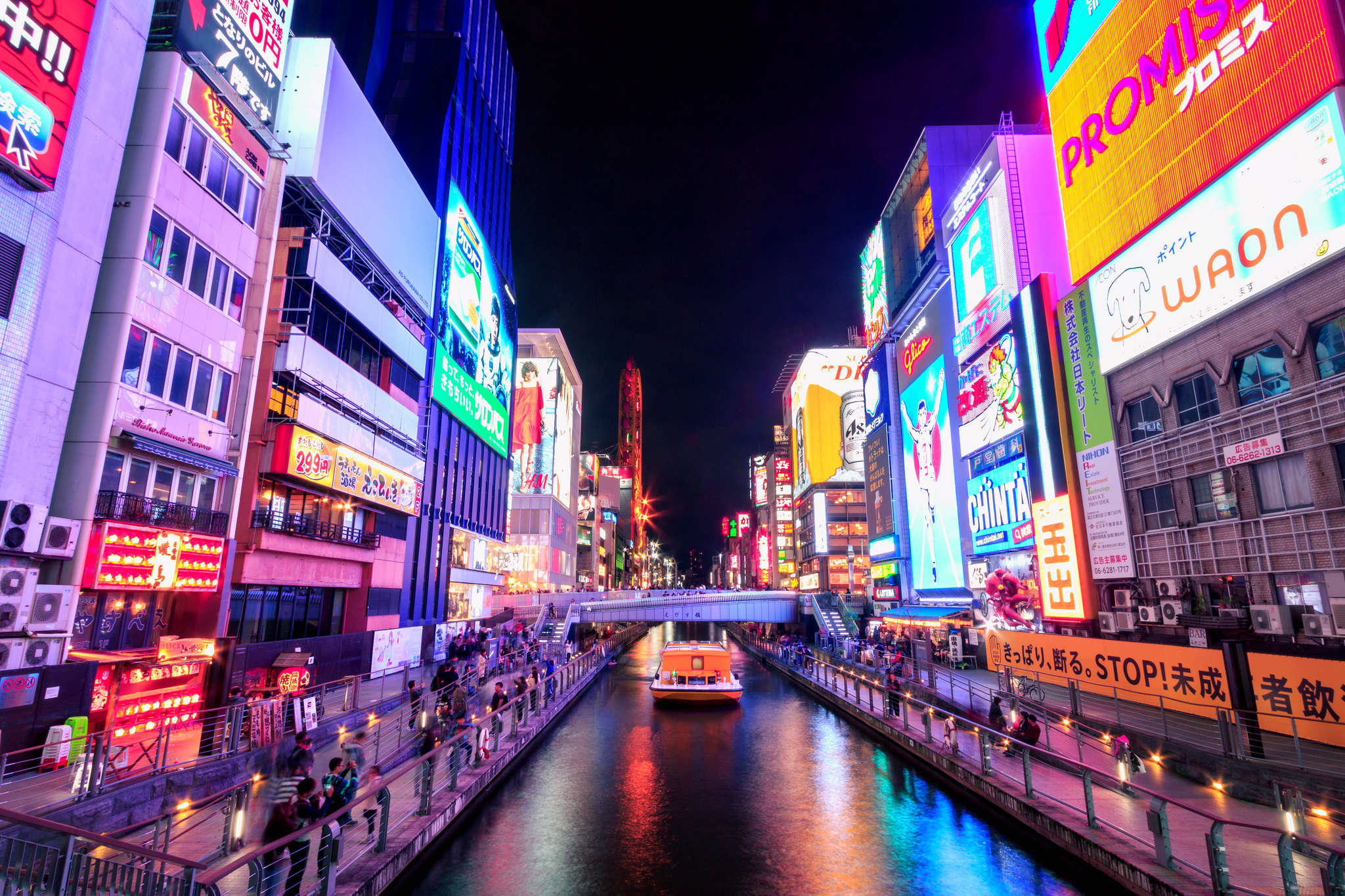
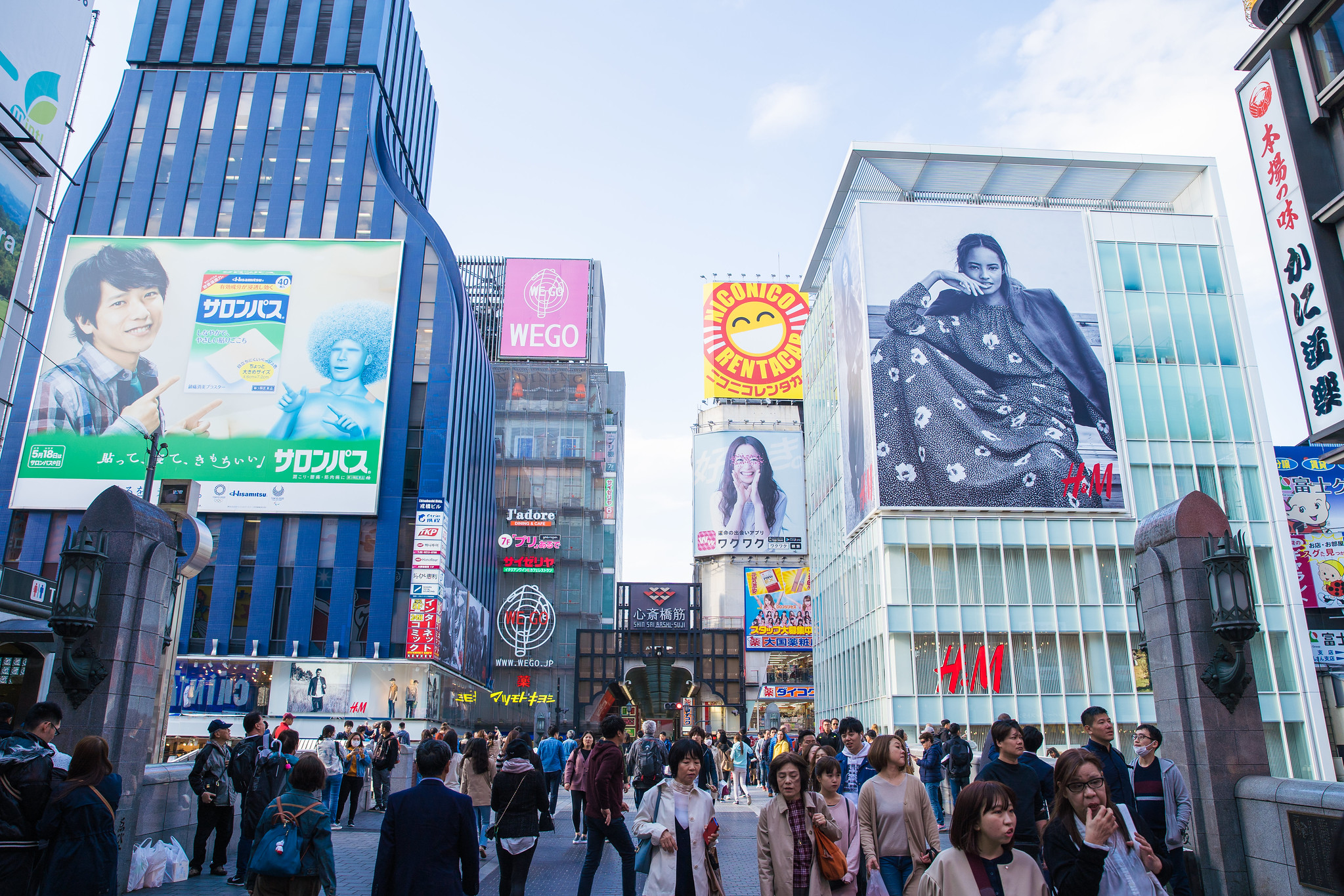

Dotonbori is Osaka’s famous canal-side dining and entertainment district, where oversized restaurant signs, bright billboards and busy streets create one of the city’s most recognizable scenes. Come to explore the waterfront, sample local dishes and discover the smaller lanes beyond the main crowds.
Experiences You May Like


Located in the Minami area near Namba, Dotonbori is easy to include in an evening itinerary. This guide covers what to see, what to eat, how to get there and which nearby neighborhoods to combine with your visit to Japan.
Dotonbori Highlights
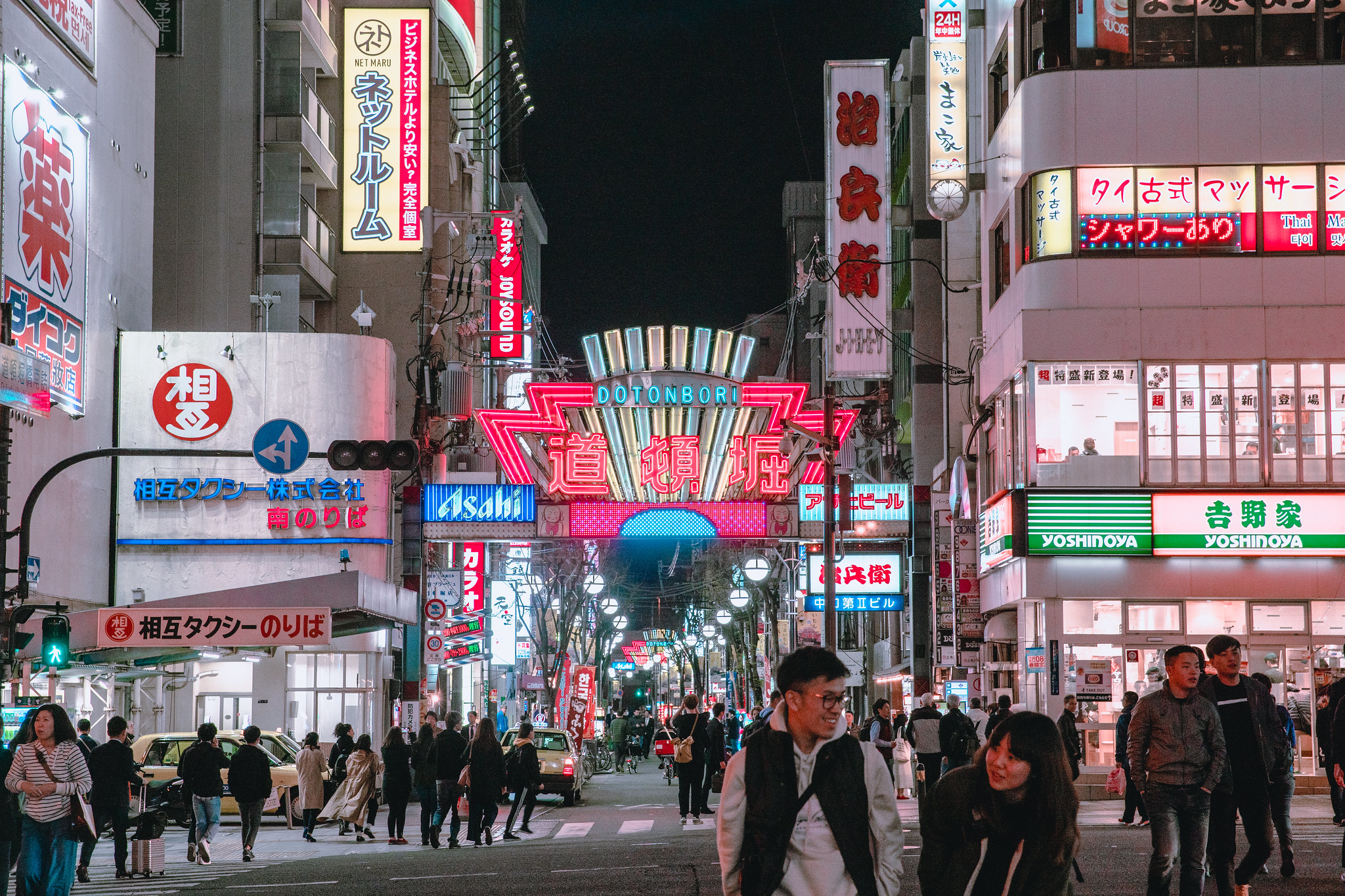
- Ebisubashi Bridge: Find one of the district’s best-known viewpoints and orientation points.
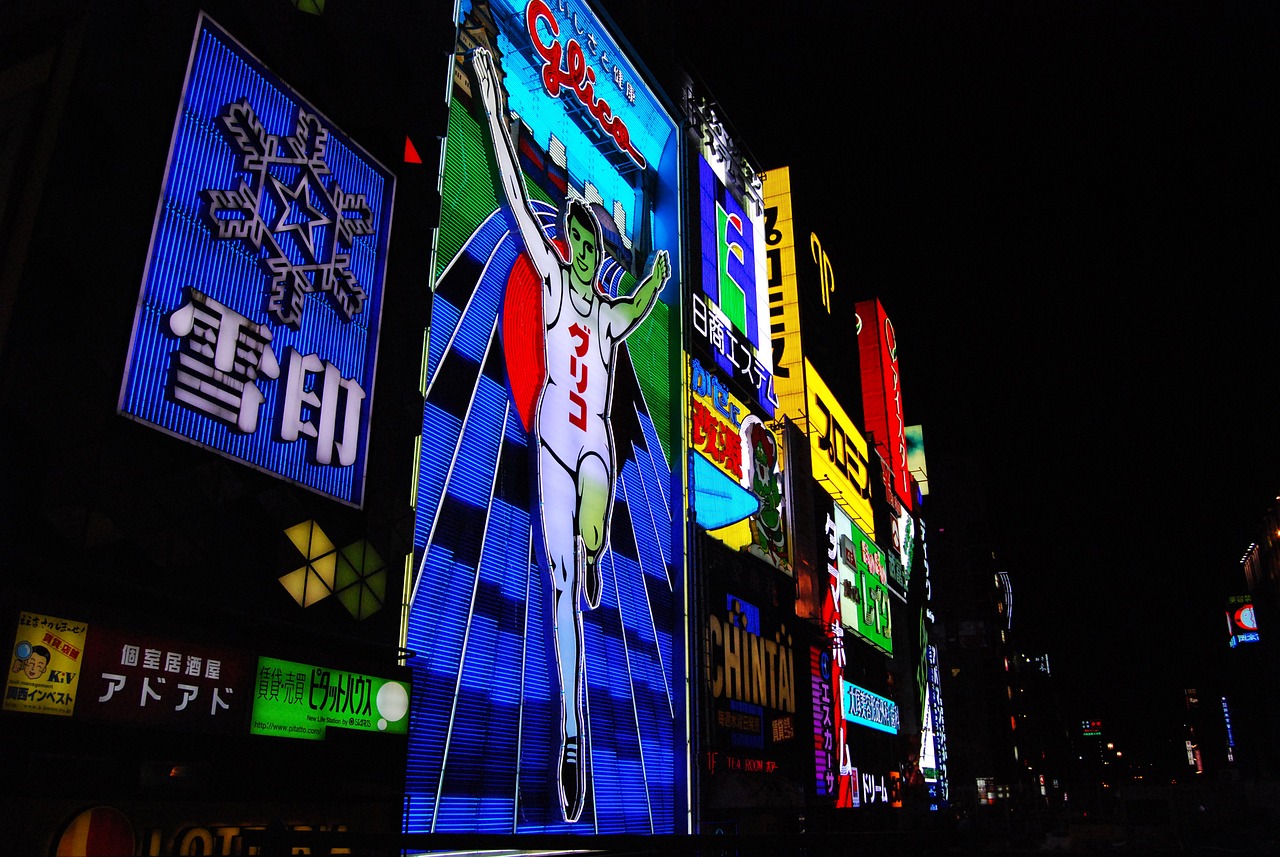
- The Glico sign: Look for the celebrated runner billboard, subject to its announced renewal works.
- Giant restaurant signs: Spot the Kani Doraku crab and other distinctive food-themed façades.
- Tombori Riverwalk: Explore the canal-side paths for a different perspective on the district.
- Osaka specialties: Try takoyaki, okonomiyaki or kushikatsu.
- Hozenji Yokocho: Add a quieter-looking, stone-paved lane to your walk.
A Short History of Dotonbori
Dotonbori’s name is associated with Doton Yasui, who devoted resources to excavating the waterway in the early seventeenth century. The canal’s development was followed by the growth of theaters, teahouses and places of entertainment.
More Experiences to Explore
The area’s theatrical past helps explain its present-day character. Restaurants and illuminated signs now dominate many visitors’ impressions, but the district’s identity developed around people gathering for performances and social life as well as food.
Osaka’s appetite for dining is often expressed through the word kuidaore, commonly understood as eating oneself into financial ruin. For travelers, it is a playful introduction to the city’s food culture rather than a reason to rush through as many dishes as possible.
Plan Your Next Adventure
What to See: Signs, Bridges and the Canal
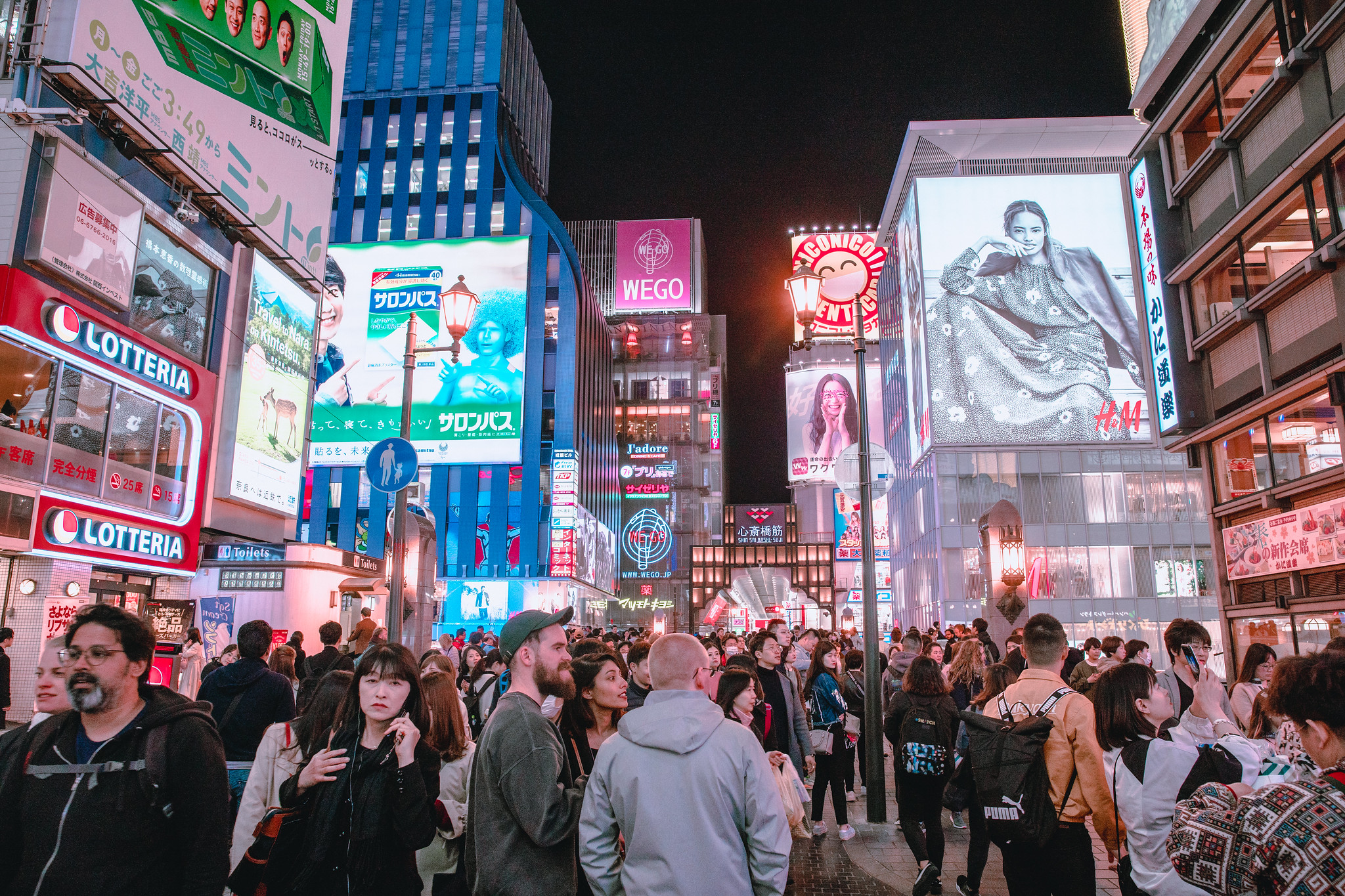
Ebisubashi and the Glico Runner
Ebisubashi is a popular place to begin because it places you among the district’s familiar signs and canal views. The Glico billboard has been associated with Dotonbori since 1935, although its design and technology have changed through successive versions.
November 2026 update: Glico has announced that the sixth-generation sign will finish its display at the end of November 2026. Renewal work begins in December, with a seventh-generation version planned for spring 2027. If the runner is central to your photography plans, check Glico’s official announcement before visiting.
The current sign uses LEDs, so “neon lights” describes the district’s overall atmosphere rather than the technology of every billboard. During normal operation, Glico publishes lighting from after sunset until midnight, with possible changes.
Restaurant Signs and Waterfront Views
Look beyond a single landmark. Large food-themed signs are part of Dotonbori’s visual appeal, including the famous crab at Kani Doraku. Take a slower walk along the street to appreciate how each business presents itself.
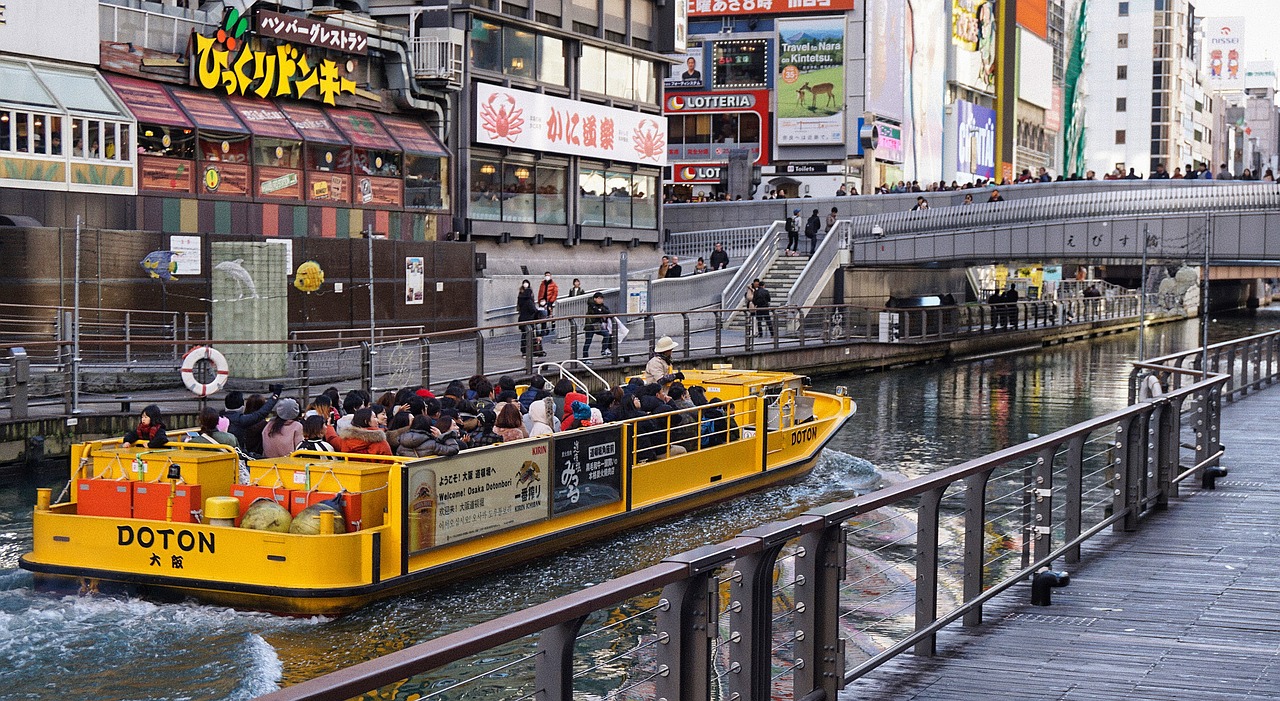
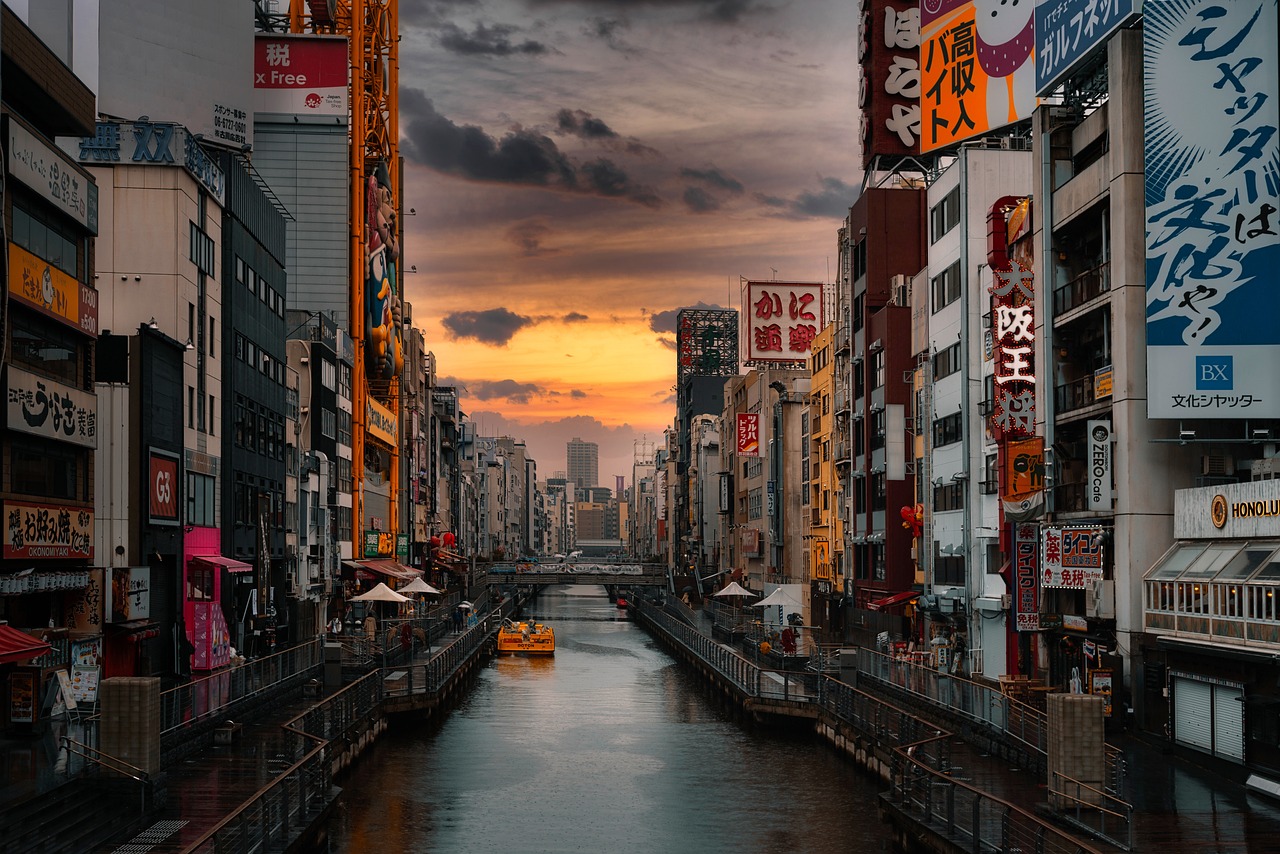
The Tombori Riverwalk offers another angle on the buildings and passing boats. Use designated access points and keep bridge crossings and narrow paths clear when stopping for photographs.
What to Eat in Dotonbori
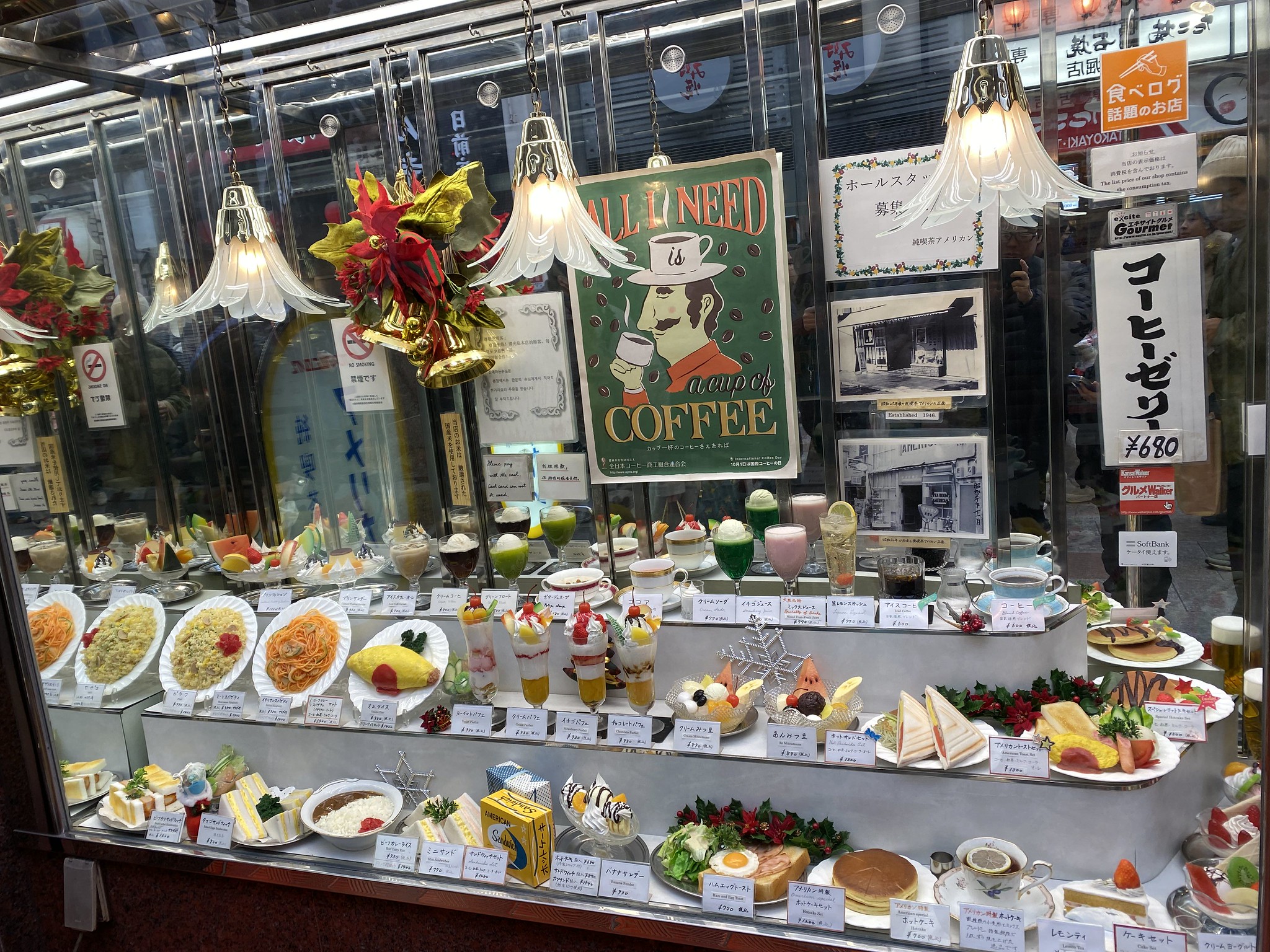
- Takoyaki: Round batter snacks typically filled with octopus, often served with sauce and toppings. Let them cool before taking a large bite.
- Okonomiyaki: A savory griddled pancake with cabbage and a choice of fillings; a sit-down meal is a good way to enjoy it without rushing.
- Kushikatsu: Breaded, deep-fried skewers of meat, seafood or vegetables. Follow the restaurant’s sauce and serving instructions.
- Noodles: Ramen and udon provide alternatives when you want a bowl of food rather than several small snacks.
- Desserts: Leave room for a sweet stop, but compare menus and prices before joining a queue.
Choose two or three foods that interest you and build the evening around them. Sharing a portion where permitted can help you try more without ordering a full meal at every stop.
If you have dietary requirements, ask about stock, sauces, toppings and preparation methods. A vegetable filling alone does not establish that a dish is vegetarian, and menu photographs do not explain all ingredients.
Hozenji Yokocho and the Area’s Traditional Side
Hozenji Yokocho provides a contrast to the broad signs and busy canal. Its narrow stone-paved lanes contain established restaurants and bars, while nearby Hozenji is known for its moss-covered Fudo statue.
This is a good place to slow down, but it remains a working neighborhood of businesses and a place of worship. Avoid blocking entrances or treating worshippers as part of a photo scene.
You can make a brief walk here between food stops or reserve a meal at a restaurant that suits your budget. Check the menu and any booking conditions rather than assuming every small venue accepts walk-ins.
Take a Tombori River Cruise
A Tombori River Cruise offers a short canal-level view of the district. The standard sightseeing experience is approximately 20 minutes, making it an optional addition rather than a full evening activity.
The operator’s published fares list adults at ¥2,000, students at ¥1,000 and elementary-school children at ¥500. Check eligible categories, available departures and the final price when booking. Weather and operational arrangements can affect sailings.
Consult the official Osaka tourism cruise guide and Ipponmatsu’s operator website. Leave room for ticketing and queues, especially if you want an evening departure. Confirm boarding access with the operator if you have mobility requirements.
Why You Should Visit Dotonbori
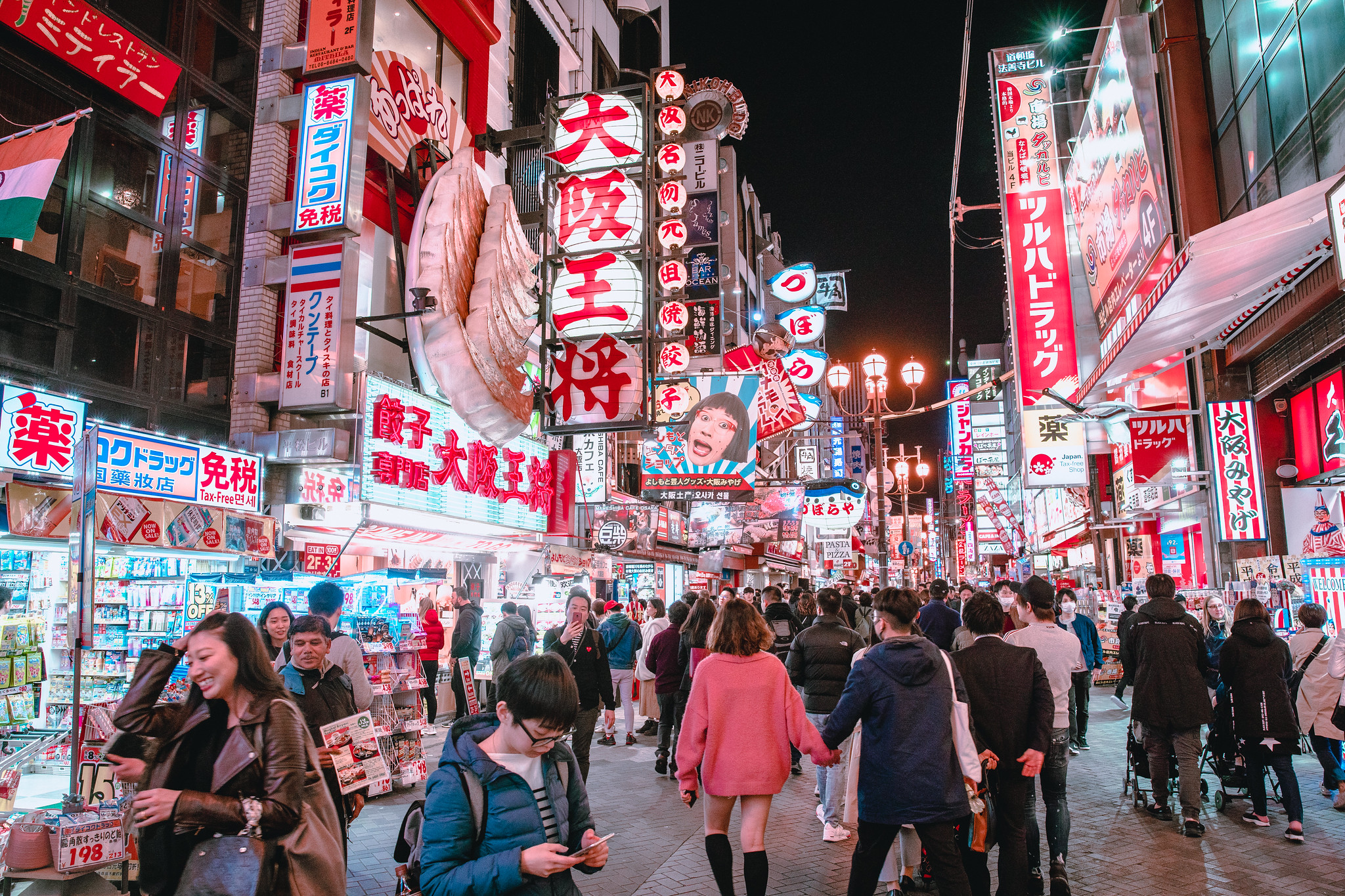
Dotonbori brings food, street scenery and entertainment together in a compact part of Osaka. It works well for a first evening in the city, giving you several things to enjoy without traveling between distant attractions.
You can keep the visit simple with a canal walk and one meal or add a cruise, shopping and an alleyway restaurant. There is no admission fee for walking the district, so you control how much to spend on food and optional experiences.
Expect a lively environment rather than a secluded escape. If you prefer more space, explore earlier in the day and return briefly after sunset to compare the atmosphere.
Plan Your Visit to Dotonbori
- Location: Dotonbori, Chuo-ku, Osaka, Japan, within the Minami/Namba area.
- Useful map landmark: Ebisubashi Bridge, beside the main canal-side billboard area.
- Opening hours: Public streets can generally be visited at any time. Shops, restaurants, theaters and cruises have separate schedules and closure days.
- Admission: Free to explore the district. Meals, shopping, performances and boat trips cost extra.
- Suggested duration: Allow around 2–4 hours for a walk and meal, or longer when adding shopping and a cruise.
- Best time: Arrive in late afternoon to see both daylight and evening scenes. Check the Glico renewal schedule if that sign is a priority.
- Official visitor information: Osaka Convention & Tourism Bureau’s Dotonbori guide.
Getting There
Namba is the main arrival area, served by several railway and Osaka Metro connections. The Midosuji, Sennichimae and Yotsubashi lines provide useful access, while Osaka-Namba and Nankai Namba serve other routes.
These stations and platforms cover a large area. Select an exit for Dotonbori in your map rather than assuming every exit is equally close. If arriving from Shinsaibashi, you can combine the approach with a shopping-street walk.
Nearby Attractions to Visit
- Shinsaibashi-suji: Continue north for a covered shopping arcade and browsing before dinner.
- Kuromon Ichiba Market: Add a separate daytime food visit. Individual traders keep their own hours, so do not rely on late-night market shopping.
- Amerikamura: Explore another shopping and street-culture area on a wider Minami walk.
- Nipponbashi/Den Den Town: Consider an extension for electronics, games and pop-culture shops.
- Namba Yasaka Shrine: Add this as a separate stop in the wider Namba area, checking its visiting hours before an evening itinerary.
Practical Tips and an Evening Itinerary
- Bring some cash: Payment options vary between small vendors and larger restaurants.
- Eat where directed: Use the seller’s designated area or a suitable place to stop, keeping busy paths clear.
- Plan your return: Check your last train and leave time to navigate the station.
- Choose an exact meeting point: A crowded bridge is difficult for finding separated companions.
- Consider accessibility: Check step-free station exits and waterfront access; some routes involve stairs and small restaurants may be difficult to enter.
- Compare before queuing: Review the menu, price and wait rather than following every crowd.
Suggested route: Begin with afternoon shopping around Shinsaibashi, continue toward Ebisubashi and explore the canal before dinner. Add a pre-arranged cruise if it fits, walk through Hozenji Yokocho, then finish with a final look at the waterfront before returning to your station.
Have you visited Dotonbori? Share your favorite Osaka dish or a useful tip in the comments below!


0 Comment