The Botanical Garden in Aarhus (Botanisk Have) combines an outdoor public park with the Greenhouses (Væksthusene), where visitors can explore plants from contrasting climates. It offers an appealing change of pace from city sightseeing, with opportunities for a walk, a café break, and learning about biodiversity.
The outdoor garden and indoor collections have different visiting arrangements. This guide explains what to see, when the Greenhouses open, and how to combine the visit with nearby Aarhus attractions.
Free admission: Both the outdoor Botanical Garden and the Greenhouses offer free entry for ordinary visits.
Contrasting environments: Compare outdoor Danish landscapes with indoor plant collections from warmer regions.
Learning opportunities: Discover how plants adapt to climate and how people depend on them.
Flexible visiting: Choose a short walk or spend several hours exploring indoors and outside.
A convenient cultural pairing: Combine the garden with nearby Den Gamle By, which has its own admission arrangements.
Historical Background and Greenhouse Architecture
The garden’s origins are associated with 1873, when a horticultural society began an experimental nursery for fruit trees and useful plants. It developed into the public green space enjoyed today, with a history extending beyond its present educational role.
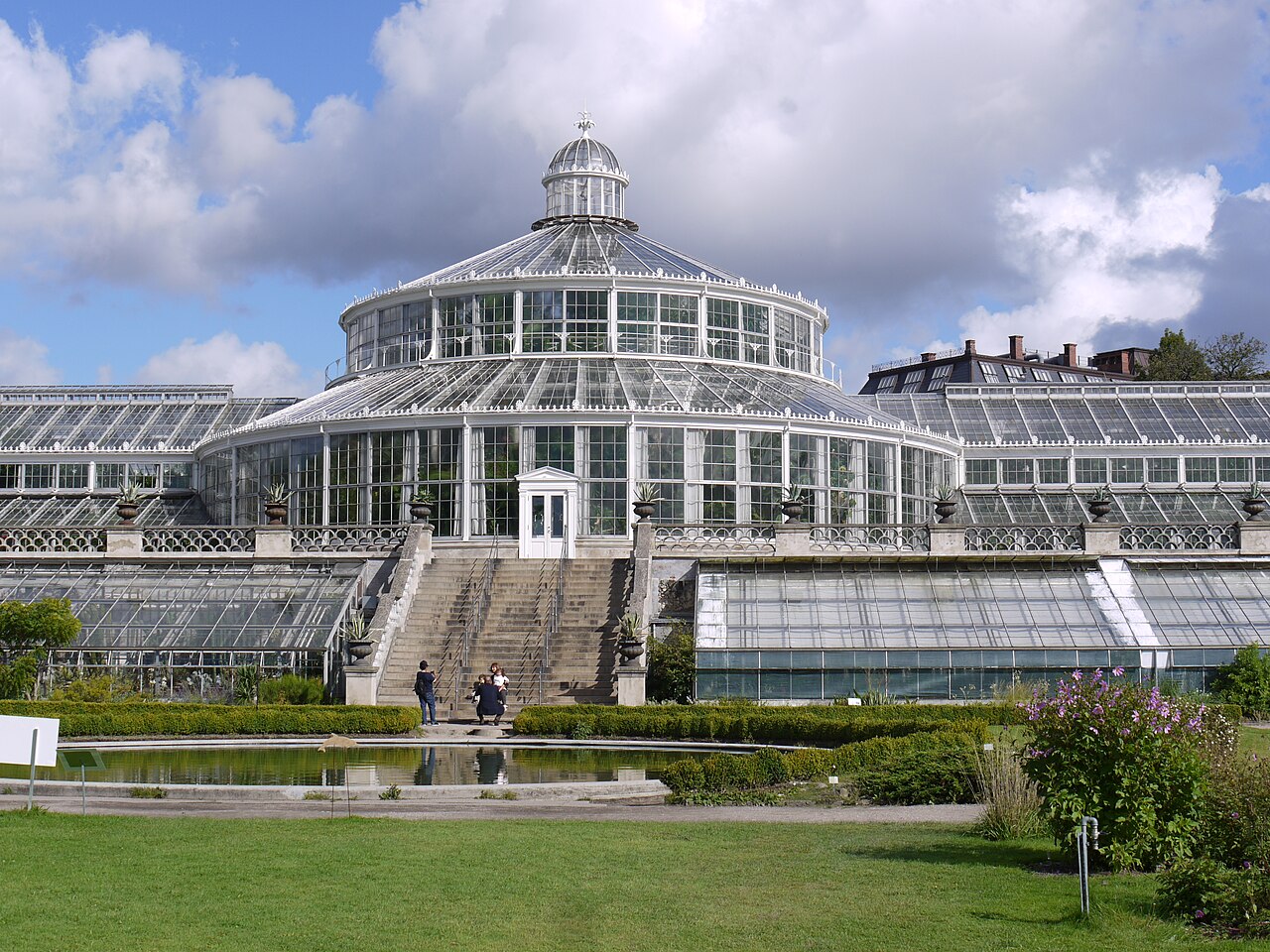
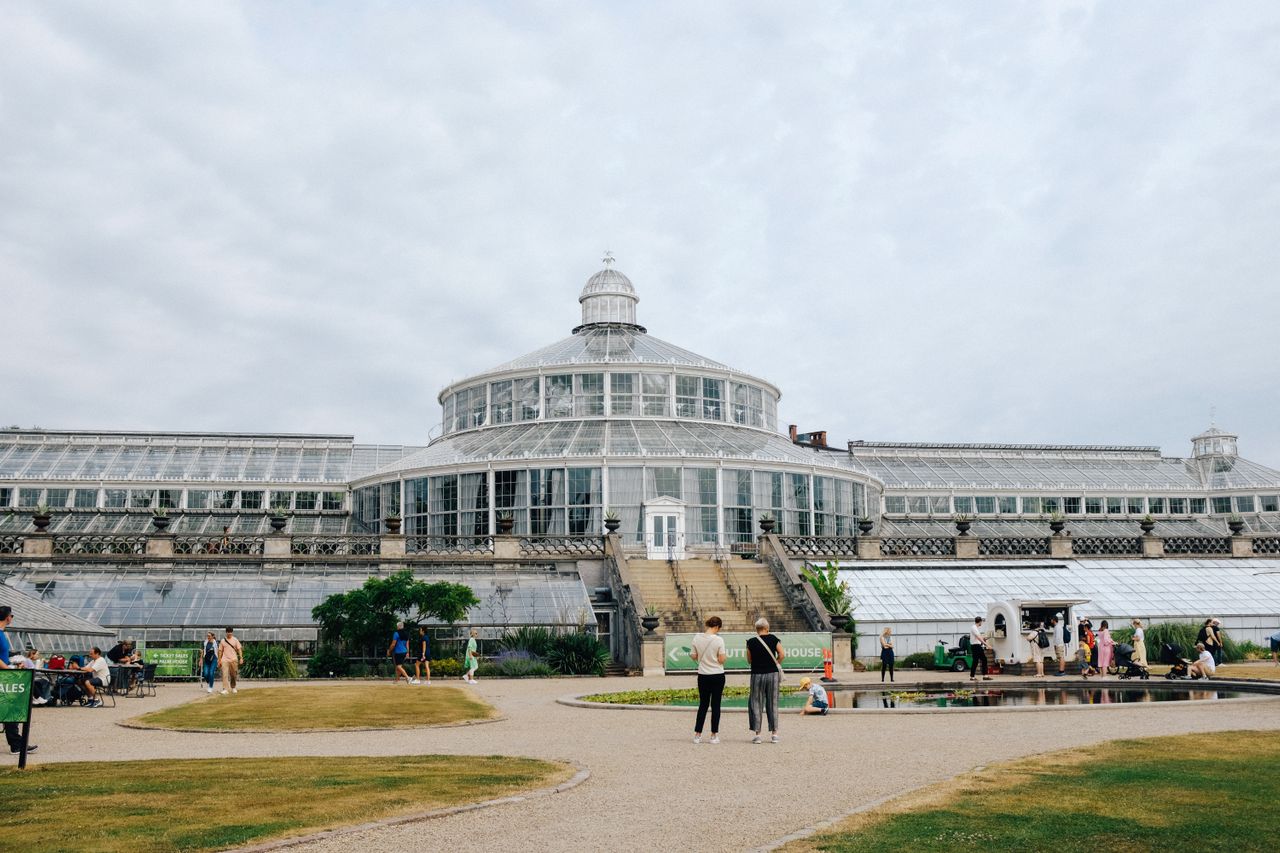
The Greenhouses belong to Aarhus University’s Science Museums. Their architecture and later expansion support an experience focused on plants, climate, and the relationship between people and nature.
Look at how the structures admit light and create different growing conditions. The buildings are part of the experience, but the collections inside explain why those controlled environments matter.
Highlights of the Greenhouses
The indoor route introduces four climate zones. These are not simply four rooms with different temperatures: they offer ways to compare plant forms and adaptations.
1. Mediterranean House
Begin with plants associated with a Mediterranean climate. Look at leaf shapes, textures, and aromatic plants, and use the interpretation to explore the relationship between climate, cultivation, and familiar foods.
Follow signs about touching or smelling plants rather than picking leaves or assuming every specimen is intended for handling.
2. Desert House
Cacti and succulents illustrate different responses to limited water. Compare protective surfaces and water-storing structures while considering that deserts are varied environments rather than one uniform habitat.
Keep children away from spines and do not touch the displays unless explicitly invited.
3. Mountain Forest House
The Mountain Forest House represents humid tropical mountain environments. It should not be described simply as a cold alpine house: moisture, elevation, and local climate create a different ecological setting.
Notice how the plants contrast with those in the desert and Mediterranean sections.
4. Tropical House
The Tropical House introduces rainforest vegetation in a warmer, humid setting. It provides a striking contrast with the outdoor garden, especially on a cool Danish day.
Look for different growth forms and the ways plants use space and light. Butterflies may form part of the experience, but individual sightings and numbers vary.
Outdoor Garden: What to See and Do
Walk Through Changing Landscapes
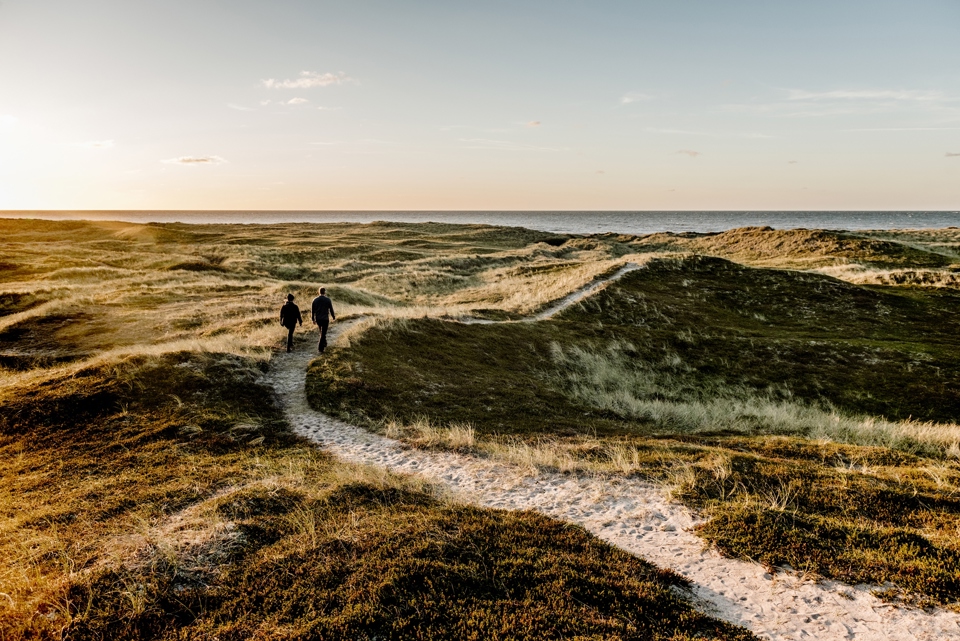
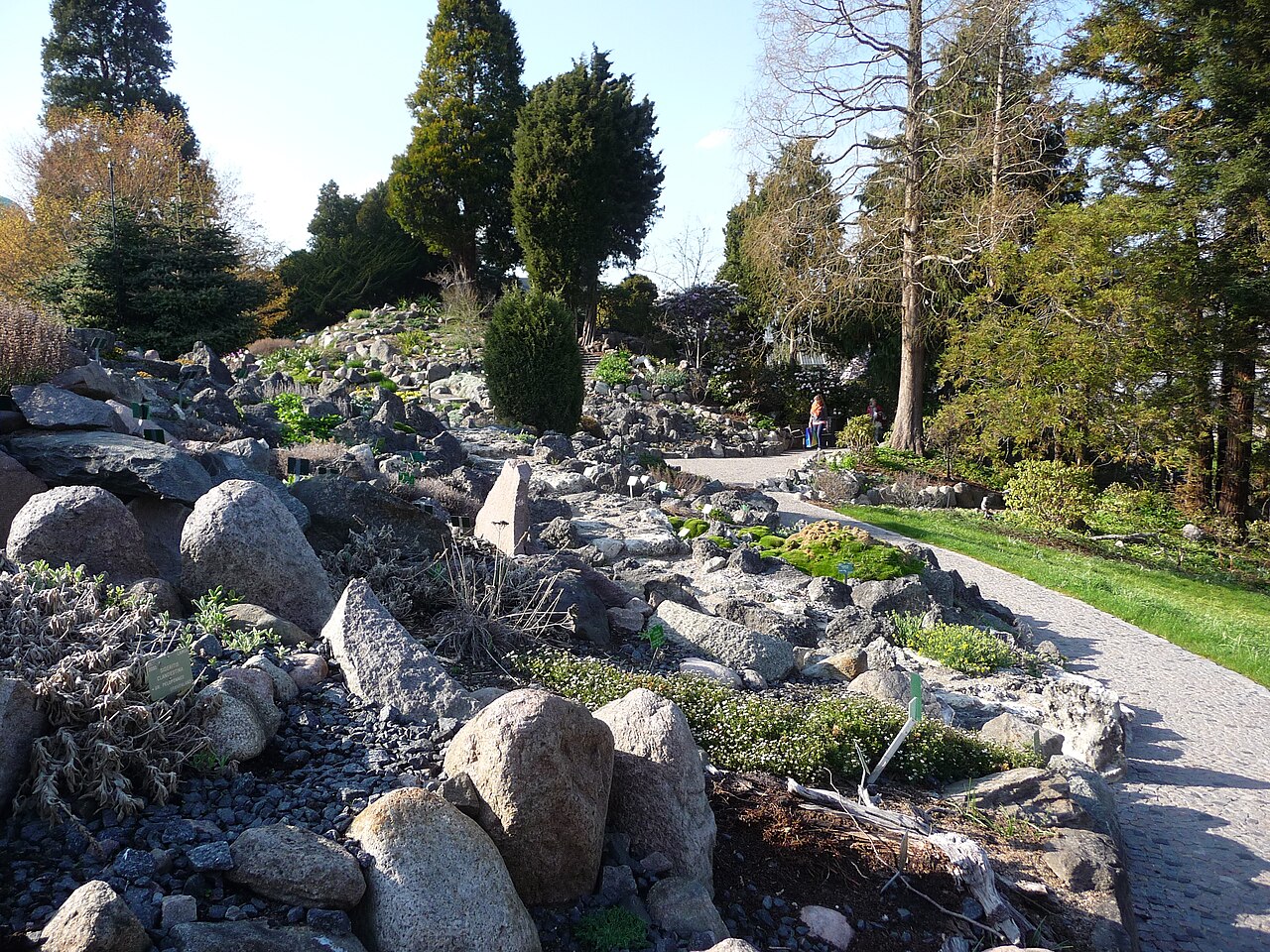
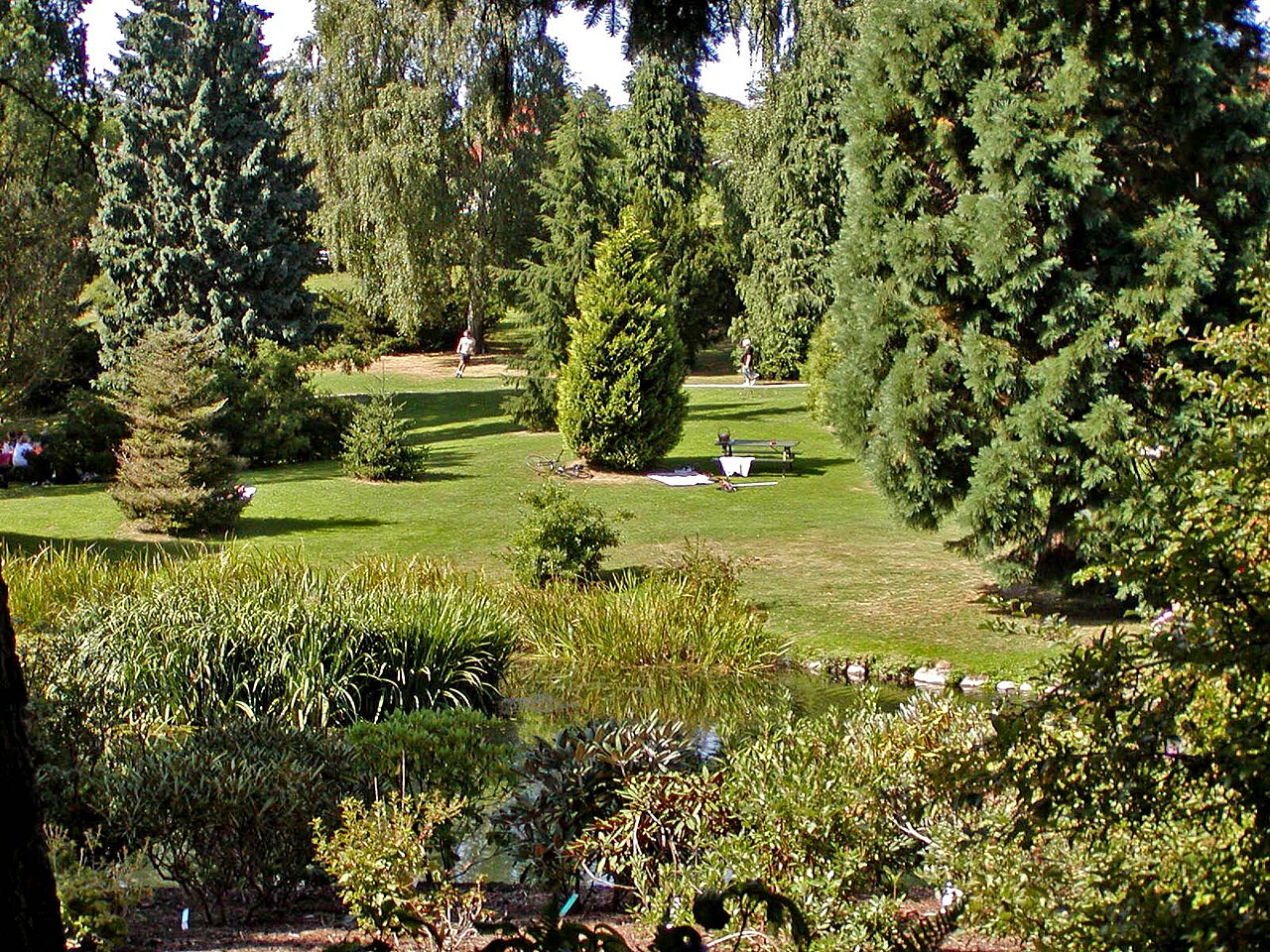
The outdoor grounds provide a park-like setting of paths, slopes, trees, and planted areas. Follow the current signs and map to explore the garden’s character instead of expecting every themed border named in an older article to remain unchanged.
Plant groupings associated with Danish habitats help connect the visit with the landscapes beyond the city. A slower walk makes it easier to notice seasonal changes.
Enjoy Seasonal Colour
Spring growth, summer flowers, autumn foliage, and winter silhouettes offer different reasons to return. Peak flowering depends on weather and species, so there is no single date when every part of the garden is at its best.
Take a Picnic Break
Choose a suitable outdoor place for a picnic, follow local signs, and take rubbish away. Use established paths and respect planted collections, especially when finding somewhere for children to play.
Photograph Details as Well as Views
Leaves, bark, flowers, and greenhouse structures offer photographic subjects beyond wide garden scenes. Avoid obstructing paths or entering planted areas for a better angle.
Family Visits, Learning, and Guided Tours
The Greenhouses can work well for a family outing because contrasts between plant forms are easy to explore together. Ask children to compare spines, leaf sizes, or plants growing at different heights.
Check current exhibitions and scheduled activities before promising a particular interactive experience. The official programme includes learning about plants and biodiversity, while school sessions and group tours have their own arrangements.
Groups can book guided visits in advance. Consult the official planning page for lead times, group sizes, charges, and language options. Free general entry does not mean a privately booked guide is free.
Café and Museum Shop
The Greenhouses’ café provides refreshments and food during its own operating hours. Use the official café information to check the current offering rather than relying on an unverified café name or menu.
A museum shop is also part of the visitor facilities. Stock varies, so do not assume that live plants or a particular botanical product will always be available.
Plan Your Visit to Aarhus Botanical Garden and Greenhouses
Location and Address
Greenhouses visitor location: Peter Holms Vej, 8000 Aarhus C, Denmark. The garden is beside the Den Gamle By area, within reach of central Aarhus.
Use the Greenhouses location when planning an indoor visit. A general map pin for the park may lead to another entrance and require additional walking.
Outdoor Opening Arrangements
The outdoor Botanical Garden is open day and night throughout the year, according to the official visitor information. Daylight is the practical choice for appreciating plants and navigating unfamiliar paths.
Greenhouse Opening Hours
1 September to 30 June: Monday to Friday, 9:00 AM–4:00 PM; weekends and public holidays, 10:00 AM–4:00 PM.
1 July to 31 August: Monday to Friday, 9:00 AM–5:00 PM; weekends and public holidays, 10:00 AM–5:00 PM.
Recheck the official opening-hours page for notices affecting your date. The park being open does not mean the Greenhouses or café are open.
Admission and Time Needed
Ordinary entry to both the garden and Greenhouses is free. Separately booked tours or special activities may have charges.
Allow approximately one hour for a relaxed indoor introduction, or two to three hours to add outdoor walking and a break. Your pace and interest in plant interpretation will determine the actual duration.
Getting There
Walking from central Aarhus is an option for many visitors, while public buses provide connections to the surrounding area. Check current routes and the distance from the stop to the entrance.
If driving, follow current directions and parking signs near Peter Holms Vej. Do not interpret vehicle access to the area as permission to drive along garden paths.
Accessibility
Some outdoor paths are steep, so the entire garden should not be described as uniformly level or easy for every wheelchair or stroller user. Confirm a suitable route, indoor access, and toilet facilities with visitor services if needed.
Best Time to Visit
Spring and summer suit visitors who want a longer outdoor walk, while autumn can be rewarding for foliage. In winter, the Greenhouses offer a contrasting indoor experience, with the outdoor garden still available for a shorter walk.
Dress for both environments: waterproof or warm clothing may be useful outside, while layers can be removed in the humid tropical section. Avoid assuming that an indoor botanical visit is dry and cool throughout.
A Suggested Garden Half-Day
Start indoors: Explore the four climate zones while the Greenhouses are open.
Take a break: Use the café if open or choose an appropriate outdoor picnic spot.
Walk outside: Select a route matching your energy, mobility, and the weather.
Choose an extension: Add Den Gamle By only if you have time for a separate substantial visit.
In good weather, you can reverse the order, but keep the indoor closing time in mind.
Nearby Attractions to Combine with the Garden
Den Gamle By: The nearby open-air museum has separate opening hours and tickets.
ARoS Aarhus Art Museum: A separate city-centre art experience; allow sufficient time rather than treating it as a quick garden stop.
Aarhus Old Town Centre and Latin Quarter: Continue towards cafés and historic streets.
Aarhus Cathedral: A possible city-centre extension, with access around religious activities.
Steno Museum: Another Science Museums destination at a different address, useful for a separately planned science-focused outing.
Practical Tips for Visitors
Wear suitable shoes: Paths and slopes can be slippery after rain.
Bring layers: Indoor humidity and outdoor weather can differ sharply.
Respect collections: Do not pick flowers, remove material, or touch plants unless invited.
Check facilities: Plan toilet and café stops during staffed opening hours.
Group visits: Notify the Greenhouses in advance as requested by the operator.
Photography: Follow current guidance and avoid obstructing visitors or damaging plants.
Wildlife: Observe butterflies and other animals without attempting to handle them.
Discover a Greener Side of Aarhus
Aarhus Botanical Garden offers a flexible combination of outdoor space and indoor learning. Choose a comfortable route, take time to compare the plants, and let the season shape the rest of your visit.
Allow location access and we'll show you tours,
attractions and activities nearby.
◎
Discover what's around you
Use your current location to find the closest
Kenzly experiences.
Nearby experiences
Manage Consent
To provide the best experiences, we use technologies like cookies to store and/or access device information. Consenting to these technologies will allow us to process data such as browsing behavior or unique IDs on this site. Not consenting or withdrawing consent, may adversely affect certain features and functions.
Functional
Always active
The technical storage or access is strictly necessary for the legitimate purpose of enabling the use of a specific service explicitly requested by the subscriber or user, or for the sole purpose of carrying out the transmission of a communication over an electronic communications network.
Preferences
The technical storage or access is necessary for the legitimate purpose of storing preferences that are not requested by the subscriber or user.
Statistics
The technical storage or access that is used exclusively for statistical purposes.The technical storage or access that is used exclusively for anonymous statistical purposes. Without a subpoena, voluntary compliance on the part of your Internet Service Provider, or additional records from a third party, information stored or retrieved for this purpose alone cannot usually be used to identify you.
Marketing
The technical storage or access is required to create user profiles to send advertising, or to track the user on a website or across several websites for similar marketing purposes.











0 Comment