Christiansborg Palace brings royal ceremony and Danish public life together on Slotsholmen in Copenhagen. The complex houses Parliament, the Prime Minister’s Office, and the Supreme Court, alongside rooms still used for royal occasions.
For visitors, the appeal is its range: richly decorated reception rooms, medieval remains below ground, working royal facilities, and a tower overlooking the city. Choose the areas that interest you most and plan around their separate opening arrangements.
Highlights of Christiansborg Palace
Christiansborg Palace
Royal Reception Rooms: Explore the ceremonial setting of the Danish monarchy.
The Great Hall: Discover Danish history through seventeen colorful tapestries.
Underground ruins: Look beneath the present palace to earlier structures.
Royal Kitchen and Stables: Consider the practical work behind royal life.
The Tower: Enjoy a separate, free viewpoint above Copenhagen.
Parliament: Arrange a distinct visit to learn about Danish democracy.
The site’s history reaches back to the medieval defenses of Copenhagen, including Bishop Absalon’s castle, traditionally dated to 1167. These early buildings were predecessors of the palaces later called Christiansborg.
The first Christiansborg Palace burned in 1794; the second suffered another major fire in 1884. The current, third Christiansborg was constructed in the early twentieth century and completed in 1928.
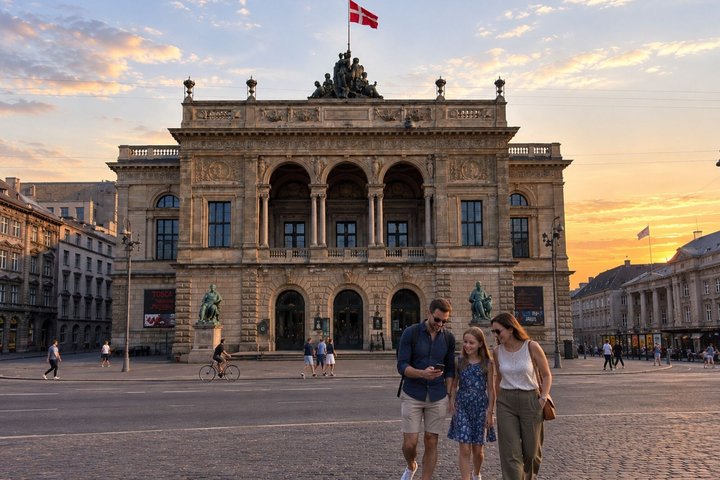
Architect Thorvald Jørgensen gave the present building its imposing Neo-Baroque character. Its granite exterior conveys institutional weight, while the interiors reveal different aspects of royal and political life.
This is a working complex rather than a historic building devoted entirely to tourism. Understanding that distinction helps explain why visitor entrances, security arrangements, and access differ between its sections.
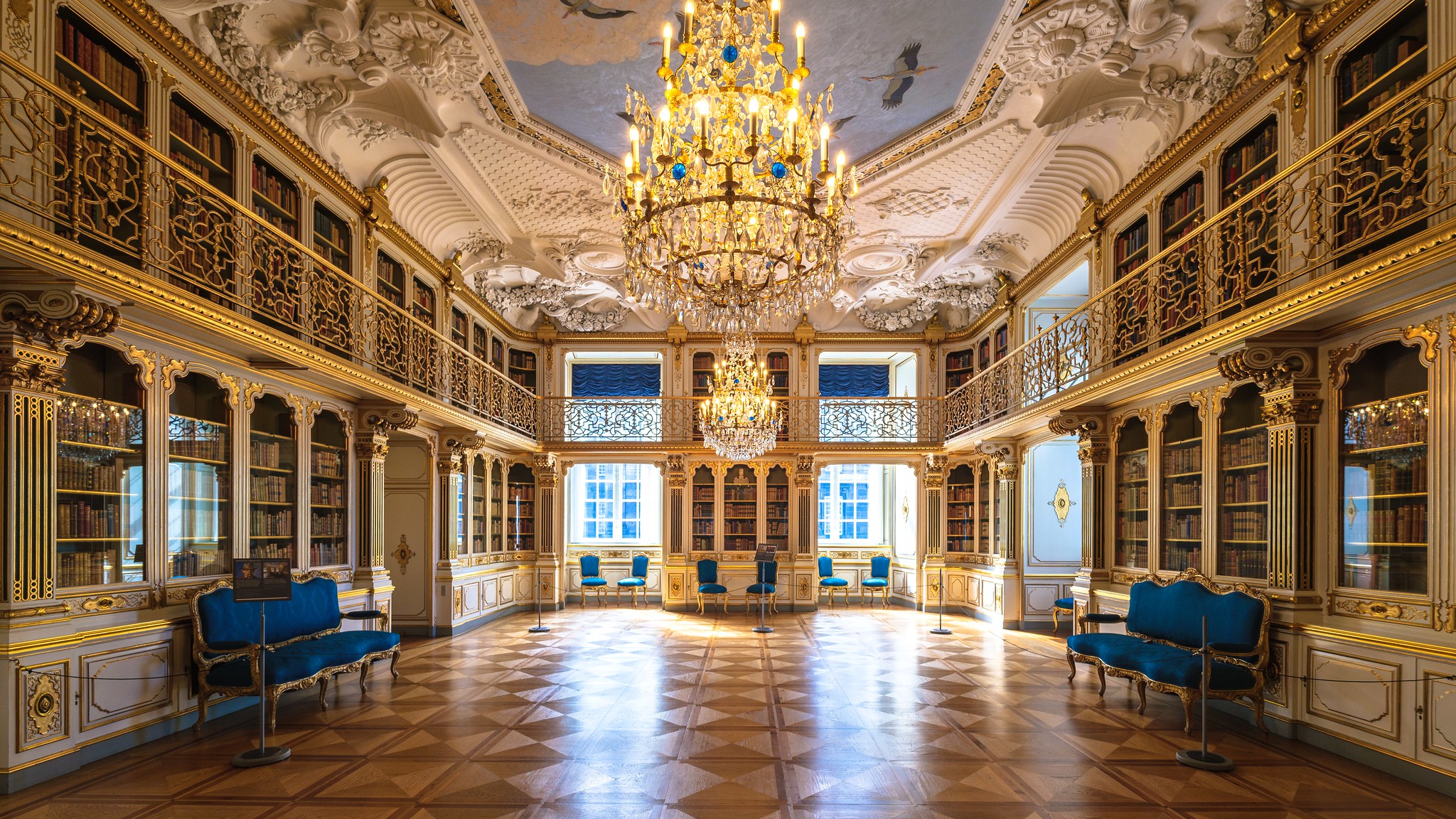
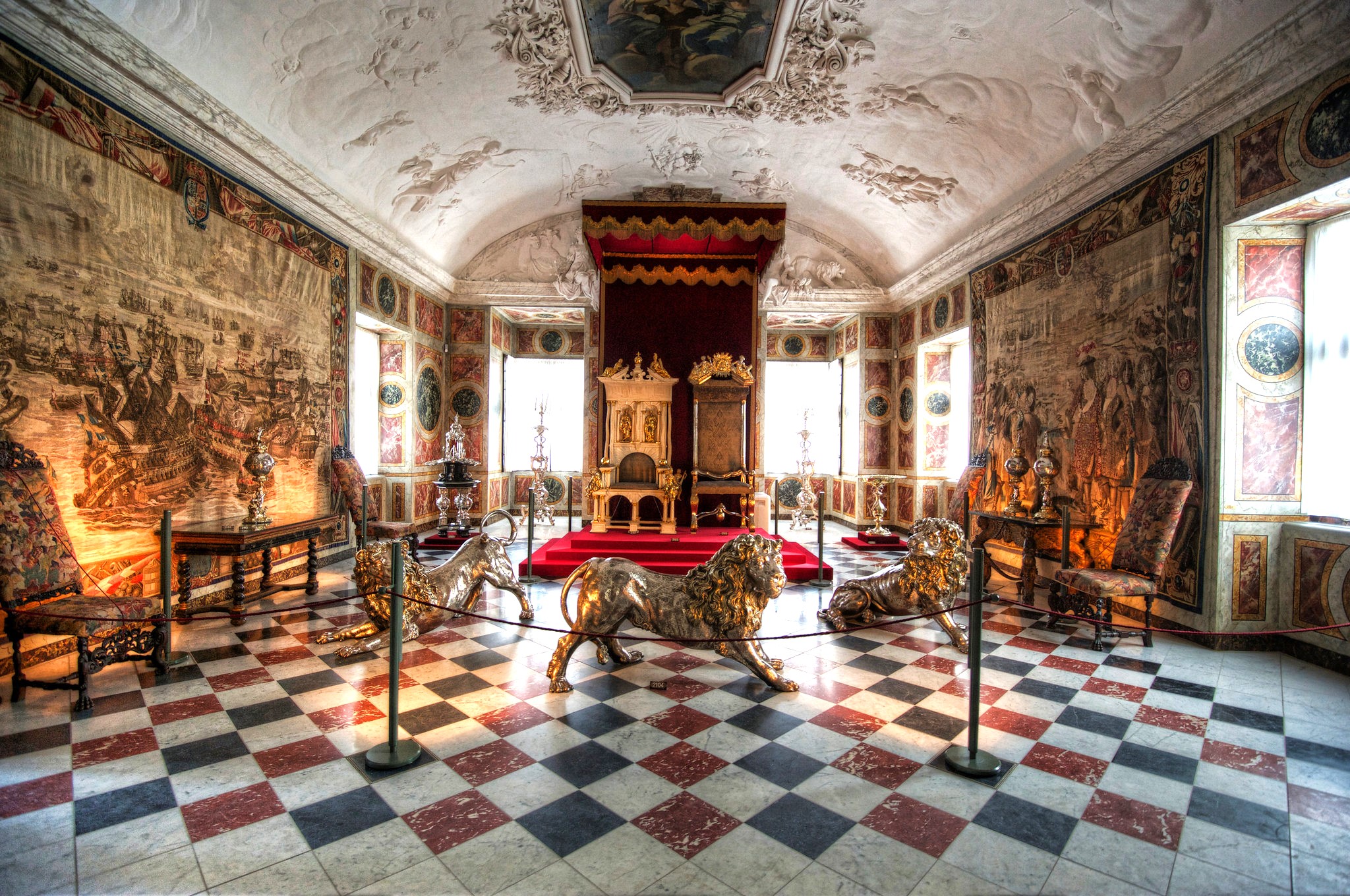
The reception rooms remain a setting for state and royal occasions. Their scale, decorative surfaces, and formal sequence of spaces offer an introduction to ceremonial life.
Look beyond the overall grandeur to the details: a staircase, a doorway framing the next room, or the placement of a work of art. Such features help explain how the building functions as a stage for official events.
The Great Hall and Its Tapestries
The seventeen tapestries designed by Bjørn Nørgaard are a highlight. Installed in 2000, they present a vivid interpretation of approximately a thousand years of Danish history through people, symbols, and episodes.
Give the tapestries more than a quick glance. Begin with the broad composition, then look for smaller figures and recurring motifs. An explanation or guide can make their crowded imagery easier to follow.
The Ruins Beneath the Palace
The underground remains introduce earlier chapters of the site’s history. They help connect the present palace with the defensive and residential buildings that preceded it.
Compare what survives below ground with the layout above. Foundations and walls can reveal a building’s history just as effectively as a furnished ceremonial room.
The Royal Kitchen and Stables
These visitor areas bring a different perspective to the complex. The kitchen directs attention toward the preparation of large royal occasions; the stables introduce horses, carriages, and the traditions supporting ceremonial transport.
The stables have shorter opening hours than the principal rooms. As a working facility, they should not be treated as a guarantee that every horse or carriage will be present on every visit.
The Palace Chapel
The chapel adds another architectural character to the site. Its visiting schedule is limited and separate from the main reception rooms, so check specifically if you want to include it.
At 106 meters, the Christiansborg Tower is Copenhagen’s tallest palace tower and a prominent part of the skyline. The public viewpoint offers a way to understand Slotsholmen’s position among the city’s canals, roofs, and landmarks.
Admission to the viewpoint is free. Published regular hours are Tuesday–Saturday, 11:00 AM–9:00 PM, and Sunday, 11:00 AM–5:30 PM; Monday is closed. Last admission is fifteen minutes before closing. Weather, events, holiday closures, and queues can affect access.
Use the Parliament’s Tower visitor page for current arrangements. The tower restaurant has its own hours and booking requirements; a meal reservation and viewpoint visit are separate plans.
A visit to the Folketing, Denmark’s Parliament, is also distinct from a royal-palace ticket. Check official Parliament tours for languages, availability, reservations, and security instructions.
Making the Most of Your Palace Visit
Christiansborg Palace – Photo by Gilbert Sopakuwa
Start by deciding whether you want a short introduction or a broader exploration. Reception rooms and the tapestries can anchor a shorter visit; adding the ruins, kitchen, stables, and tower requires a more generous schedule.
A Christiansborg Palace entry ticket is one booking option. Read the listing carefully to see which sections it covers and whether live guiding is included. An admission product should not automatically be assumed to be a guided tour.
Check the palace calendar if you would like a scheduled tour. Keep some flexibility afterward for looking independently, especially if the tapestries or architectural details interest you.
Published winter schedule, 2 November–21 March: Reception Rooms, Ruins, and Royal Kitchen: Tuesday–Sunday, 10:00 AM–5:00 PM; Monday closed.
Royal Stables in that period: Tuesday–Sunday, 1:30–4:00 PM; Monday closed.
Chapel in that period: Sunday, 10:00 AM–5:00 PM.
Seasonal changes: Check the official opening calendar for other seasons, holiday exceptions, and closures for official use.
Published adult Palace Ticket: DKK 215 online or DKK 225 at the door. Reception Rooms-only admission is DKK 140 online or DKK 150 at the door. Visitors aged 0–17 have free admission to the palace visitor sites; confirm current ticket conditions.
Official website: The original palace website redirects to The Royal Danish Collection; its Christiansborg page provides the most direct starting point.
Suggested duration: Allow around 2–3 hours for selected palace areas, with additional time for the tower, queues, or Parliament.
Published prices and schedules can change. A combined palace ticket does not mean unrestricted access to government offices or Parliament, and closures may affect individual visitor areas.
Getting There
The nearest Metro station is Gammel Strand. From there, continue on foot to Slotsholmen and follow signs for the section you have booked. Use the entrance specified in your confirmation rather than assuming every visitor enters through the same gate.
Christiansborg is also convenient for walking from central Copenhagen. If arriving by bus, check the current route and stop for your starting point; parking close to the palace is limited.
Accessibility
The palace operator provides lift access and assistance arrangements for its visitor sites. Contact staff about the route appropriate to your needs. The tower and Parliament have their own access procedures, so check those separately when combining visits.
Nearby Attractions
These approximate walking distances are from the palace area; the entrance and route you choose will affect them.
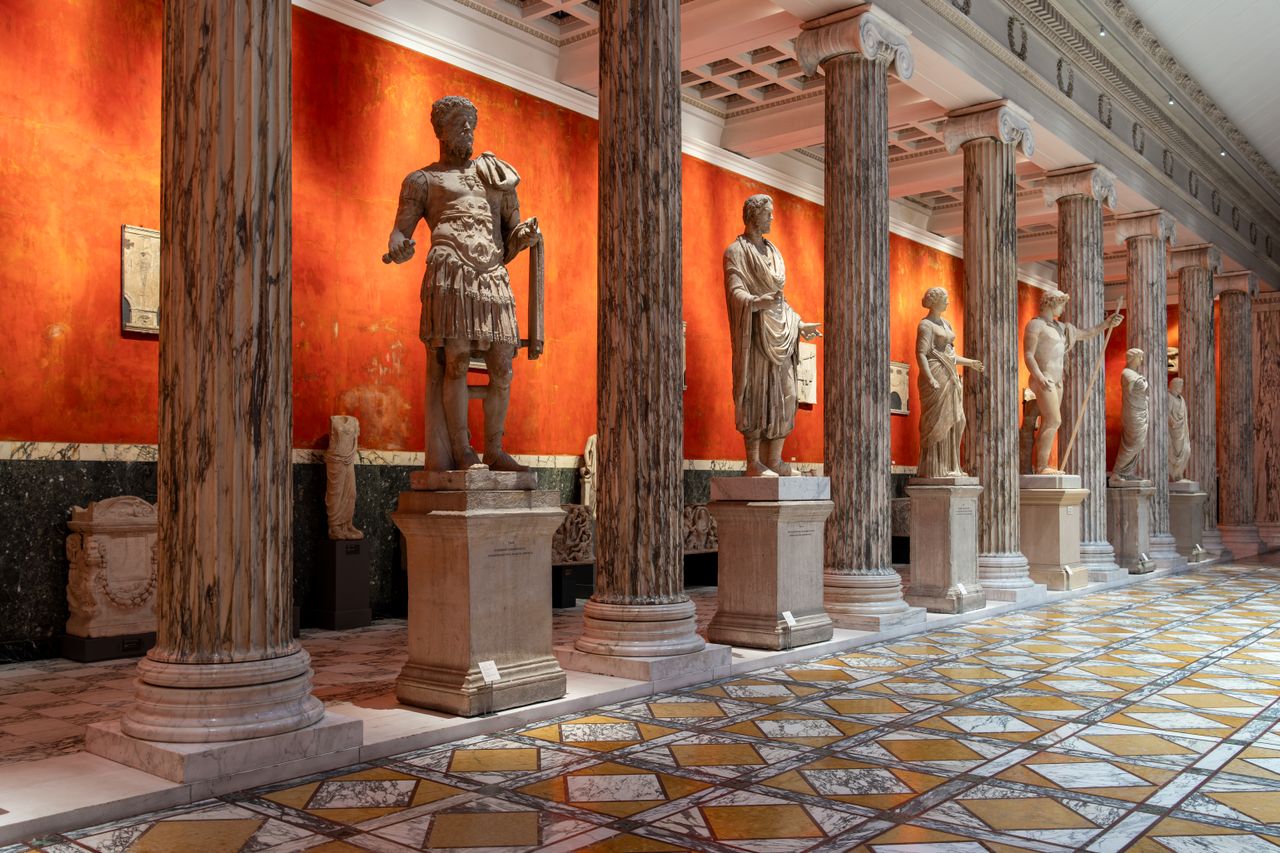
Thorvaldsens Museum — around 200 meters: An easy addition for visitors interested in sculpture and art.
Royal Library Garden — around 300 meters: A quiet outdoor pause close to the palace complex.
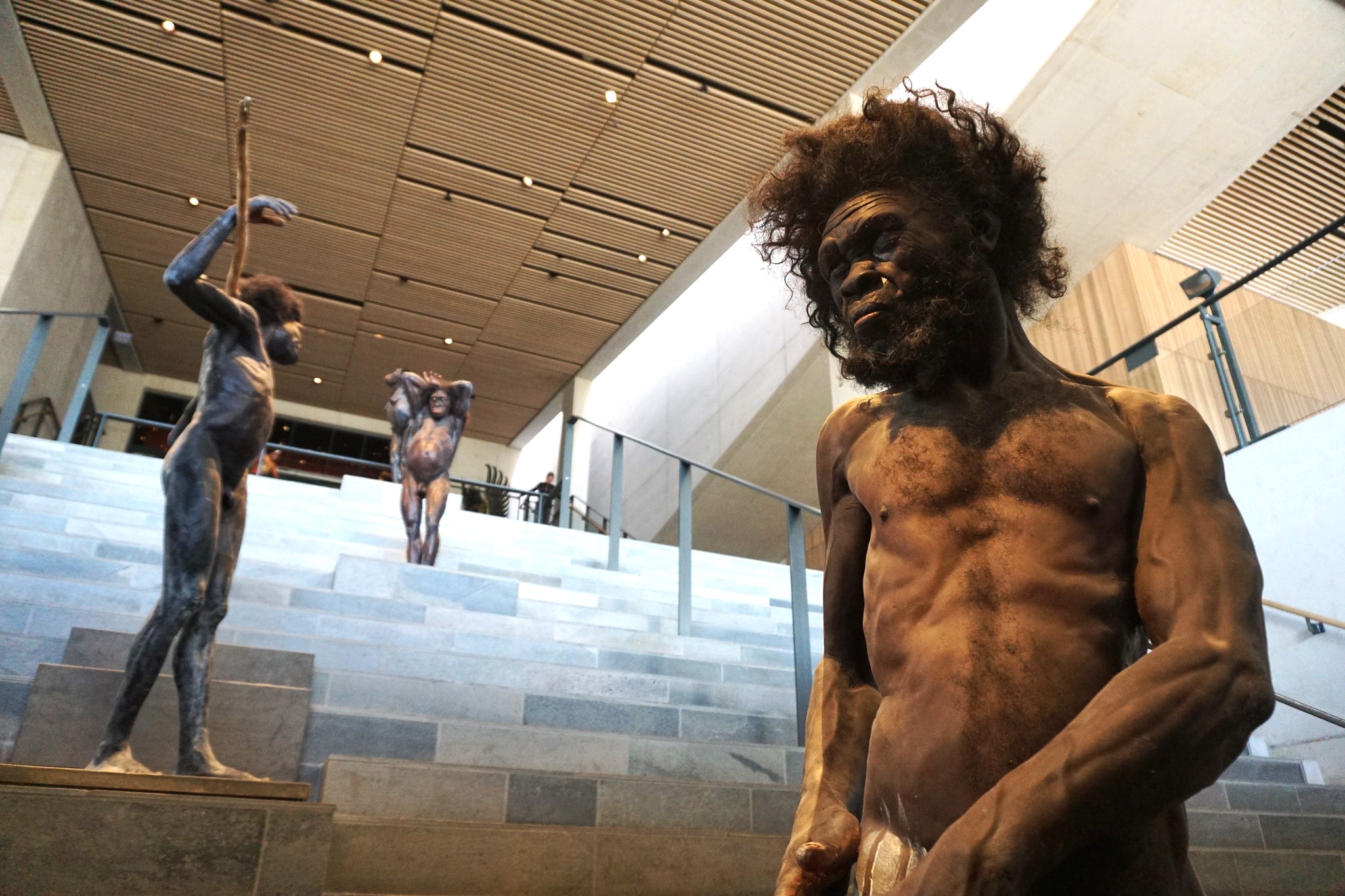
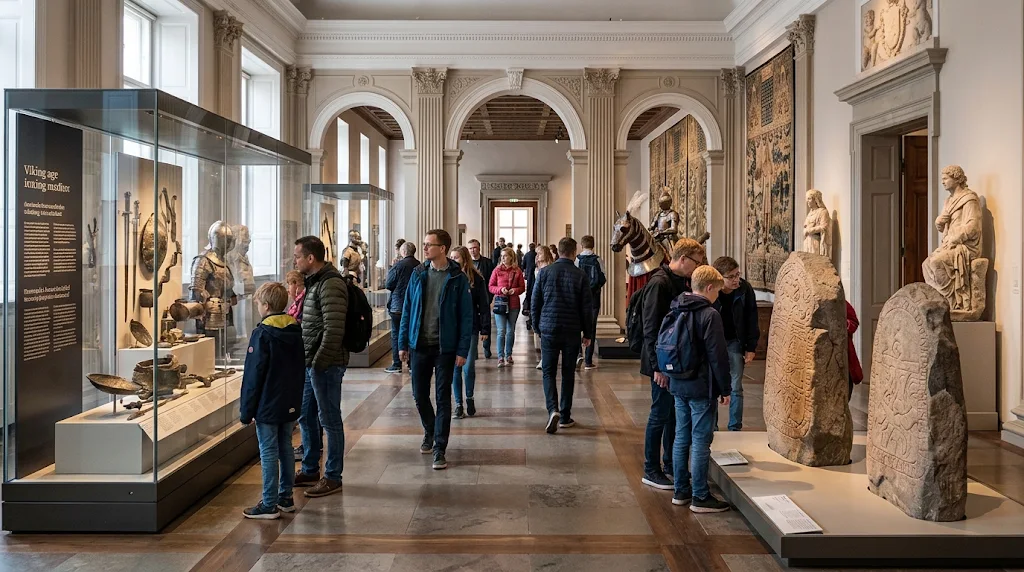
National Museum of Denmark — around 600 meters: A separate museum visit for a wider historical perspective.
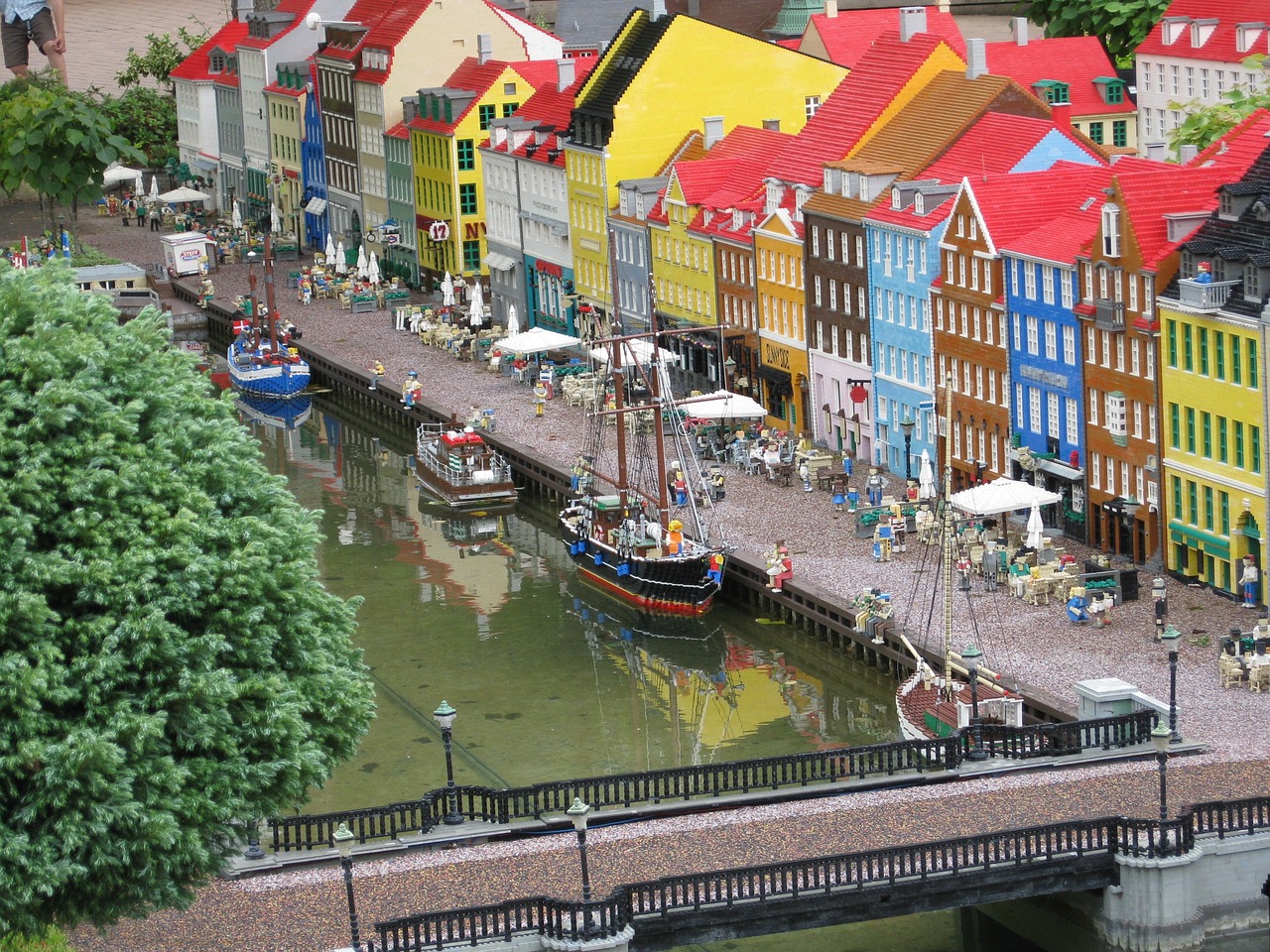
Nyhavn — around 1.2 km: Continue toward the waterfront for a walk and a meal.
A palace visit followed by one nearby stop is often more comfortable than trying to complete every interior and several other museums in a single day.
Check each area: Stables, chapel, tower, and Parliament follow different schedules.
Travel light: Review bag rules before arriving; leave large luggage at your accommodation.
Allow for security and waiting: Avoid tightly timed onward reservations.
Follow photography signs: Ask staff if unsure about a particular room or display.
Wear comfortable shoes: The different sections involve walking between entrances.
Christiansborg Palace offers several ways into Copenhagen’s history. Whether you choose royal interiors, the underground remains, or a view from the tower, a well-planned visit reveals how this landmark connects Denmark’s past with its present.
Have you visited Christiansborg Palace? Share your thoughts and experiences in the comments below!
Have you visited this place before? Share and rate your experiences!
We'd love to hear your ratings and opinions in the comments below. Your feedback will help others too.
Average rating / 5. Vote count:
No votes so far! Be the first to rate this place.
As you found this post useful...
Follow us on social media!
We're sorry to hear that your experience wasn't great
Allow location access and we'll show you tours,
attractions and activities nearby.
◎
Discover what's around you
Use your current location to find the closest
Kenzly experiences.
Nearby experiences
Manage Consent
To provide the best experiences, we use technologies like cookies to store and/or access device information. Consenting to these technologies will allow us to process data such as browsing behavior or unique IDs on this site. Not consenting or withdrawing consent, may adversely affect certain features and functions.
Functional
Always active
The technical storage or access is strictly necessary for the legitimate purpose of enabling the use of a specific service explicitly requested by the subscriber or user, or for the sole purpose of carrying out the transmission of a communication over an electronic communications network.
Preferences
The technical storage or access is necessary for the legitimate purpose of storing preferences that are not requested by the subscriber or user.
Statistics
The technical storage or access that is used exclusively for statistical purposes.The technical storage or access that is used exclusively for anonymous statistical purposes. Without a subpoena, voluntary compliance on the part of your Internet Service Provider, or additional records from a third party, information stored or retrieved for this purpose alone cannot usually be used to identify you.
Marketing
The technical storage or access is required to create user profiles to send advertising, or to track the user on a website or across several websites for similar marketing purposes.









0 Comment